Where Body & Brain Meet the Ocean | MGA Summer Camp Field Trip to the New England Aquarium
As a special highlight of our Mystery of the Body & Brain Camp, our campers recently visited the New England Aquarium for an exciting day of exploration. The trip gave students the opportunity to discover the wonders of marine life while making meaningful connections between … Continue readingWhere Body & Brain Meet the Ocean | MGA Summer Camp Field Trip to the New England Aquarium
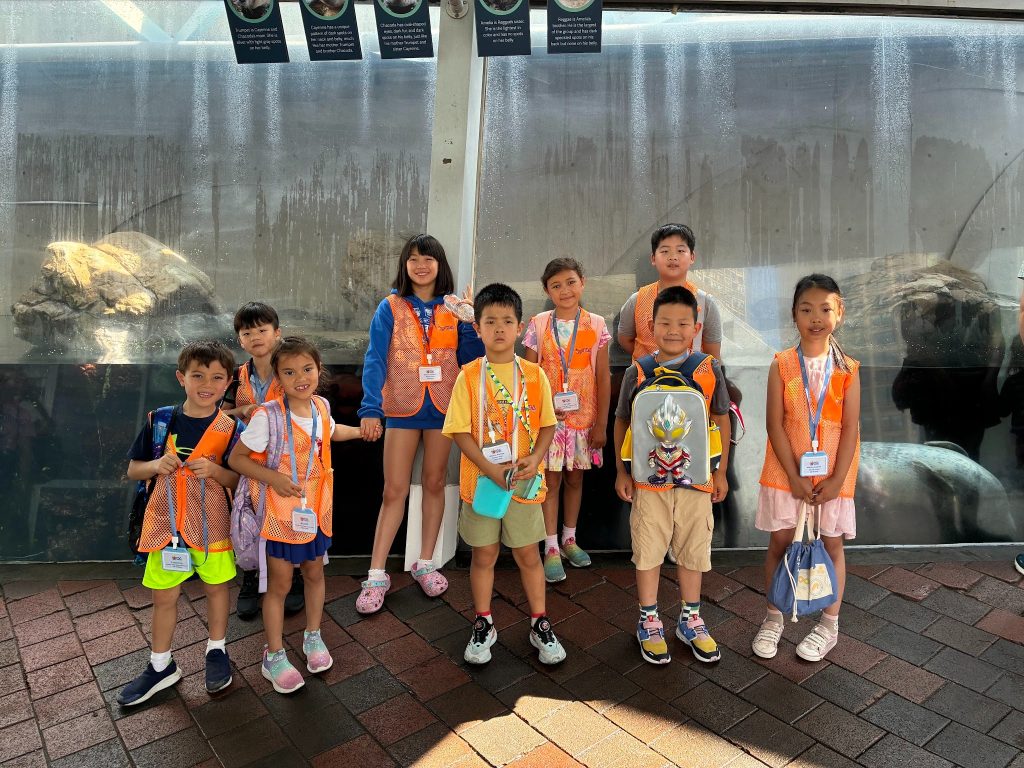
As a special highlight of our Mystery of the Body & Brain Camp, our campers recently visited the New England Aquarium for an exciting day of exploration. The trip gave students the opportunity to discover the wonders of marine life while making meaningful connections between animal adaptations, human senses, and the natural world.
Throughout the visit, students observed a wide variety of fascinating marine animals and explored how different species use their unique body structures and senses to survive in different environments.
🐠 Different Bodies, Different Adaptations
At the Giant Ocean Tank, students observed fish living at different depths of the ocean and began asking thoughtful questions:
- Why do some fish stay near the surface while others prefer deeper water?
- Why are some fish incredibly fast, while others rely on camouflage to hide?
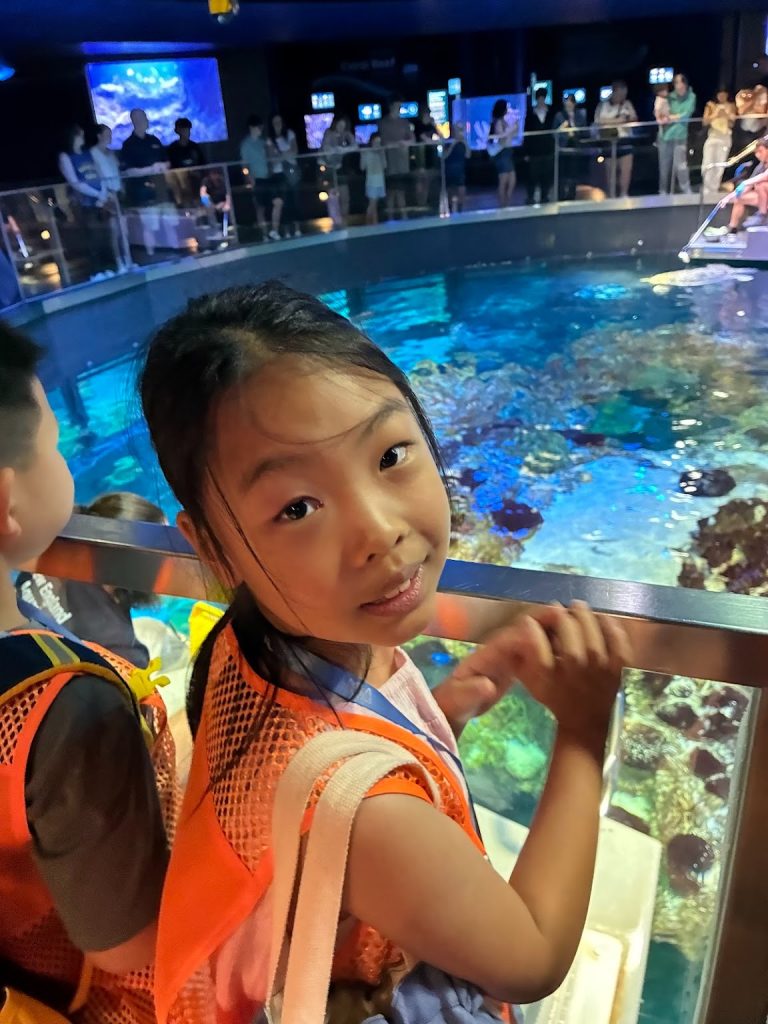
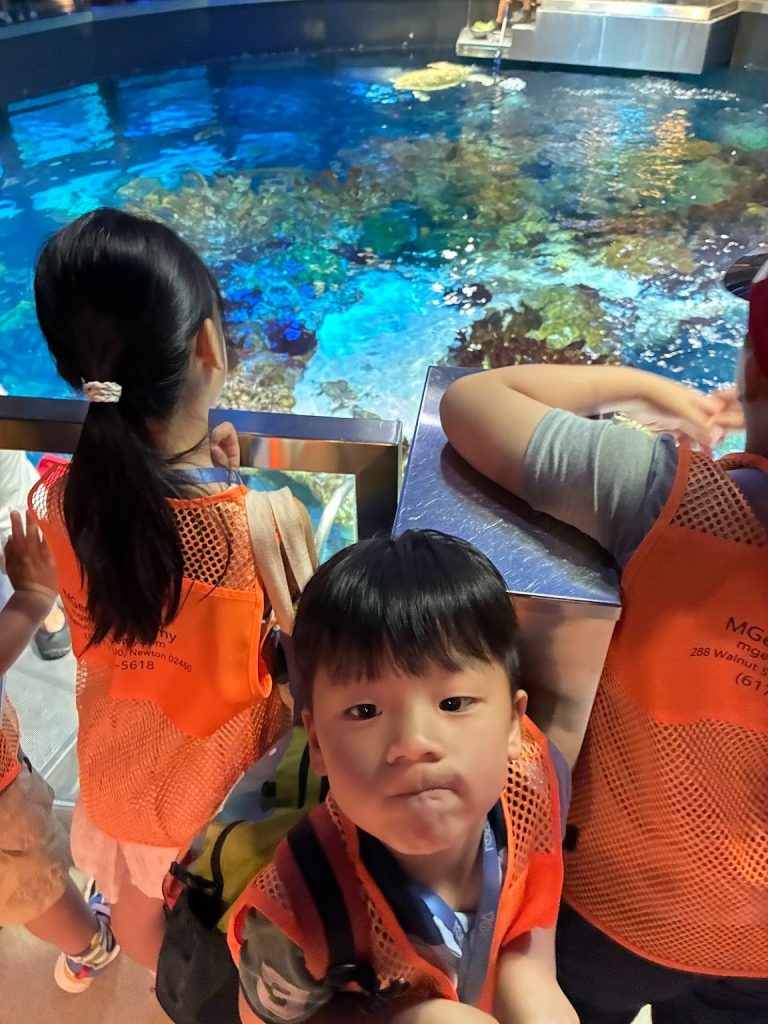
Through presentations and discussions with aquarium educators, students learned that every animal’s body is specially adapted to its environment. Just as the human body allows us to run, jump, and think, marine animals have evolved remarkable features that help them survive and thrive in the ocean.
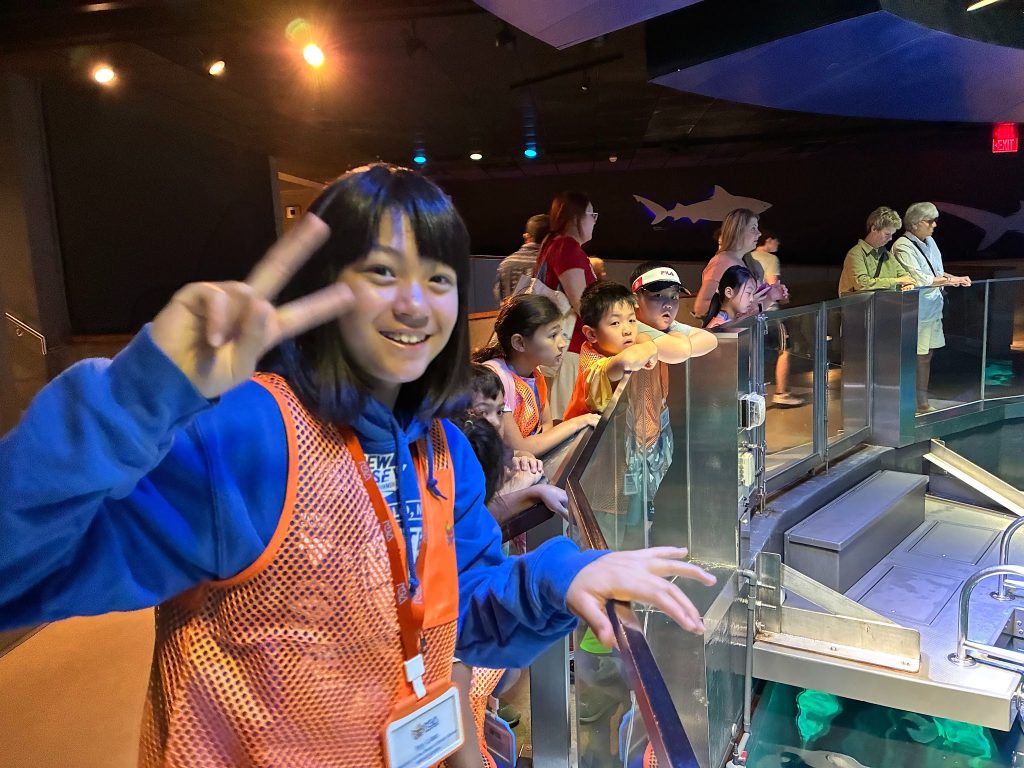
🧠 Becoming Marine Scientists
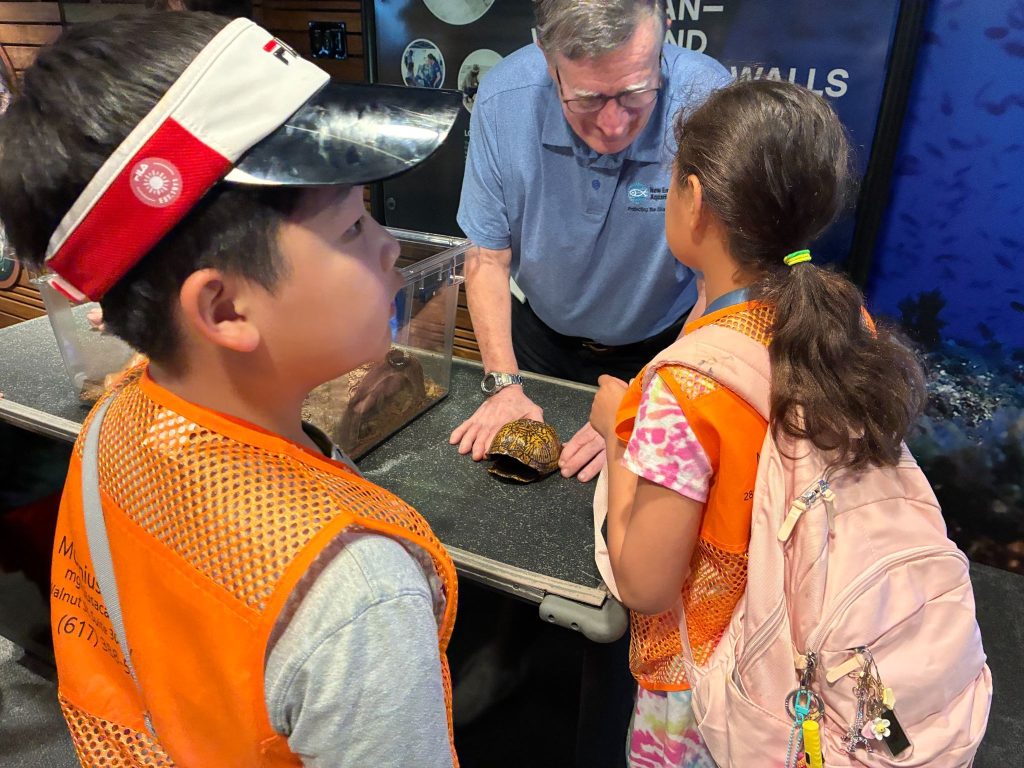
The learning continued through interactive activities led by the aquarium’s education staff.
Using engaging card games, students explored how changes in salinity, pH, and water temperature can affect marine ecosystems. They discovered that even small environmental changes can influence how animals grow, find food, and survive.
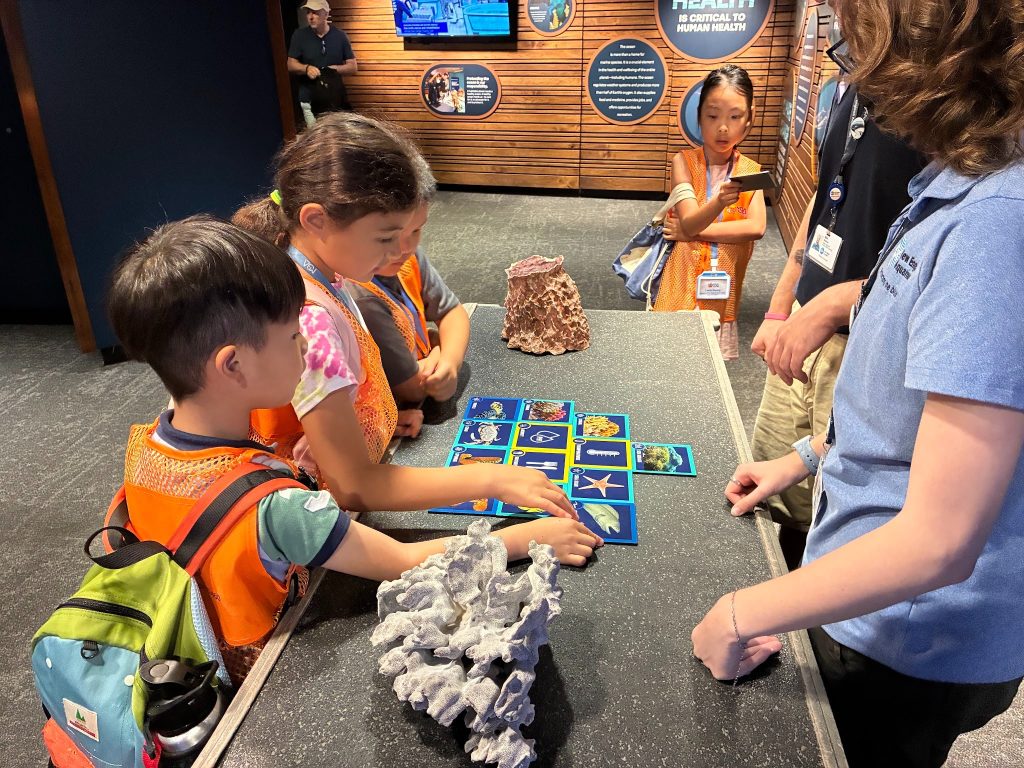
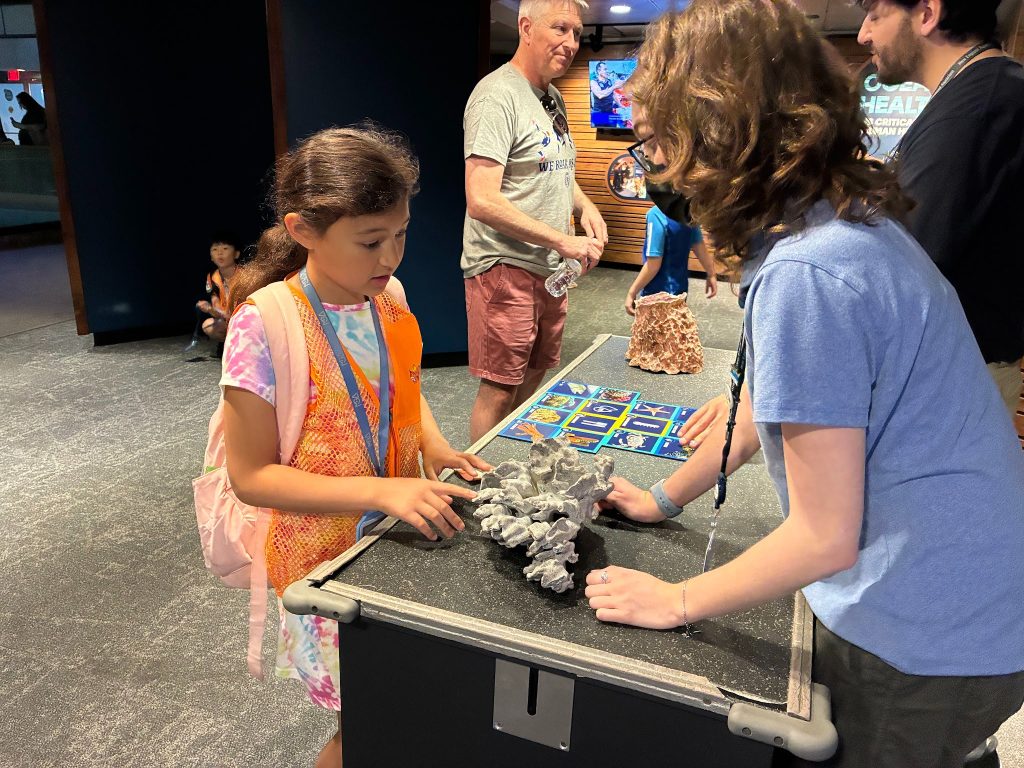
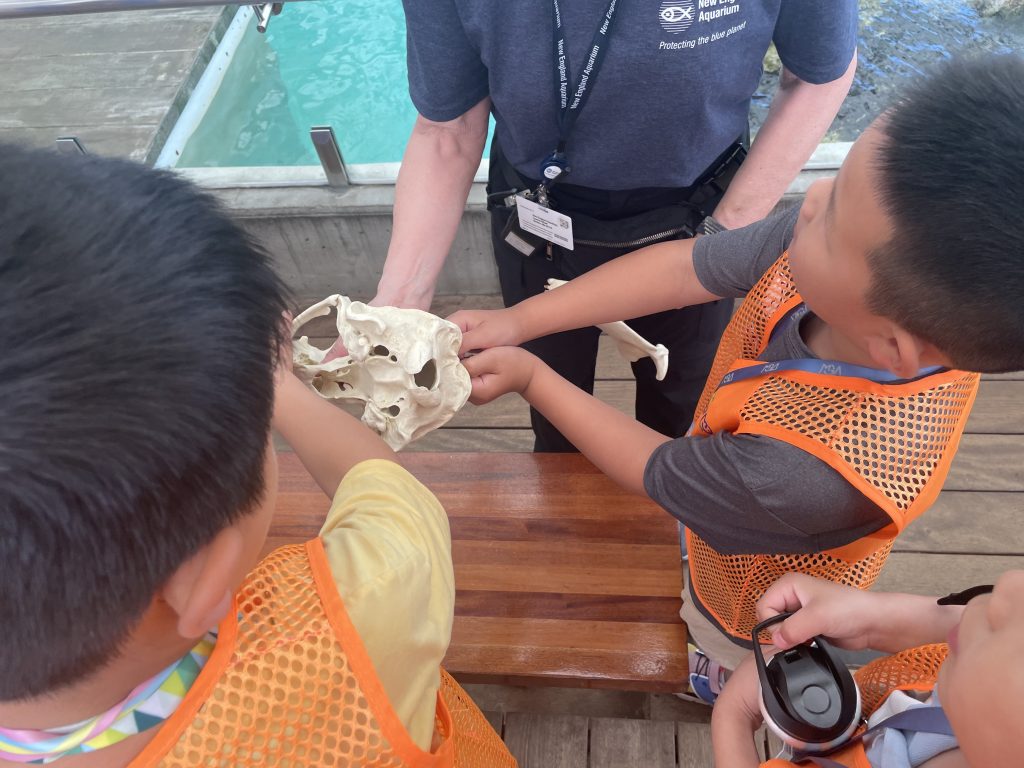
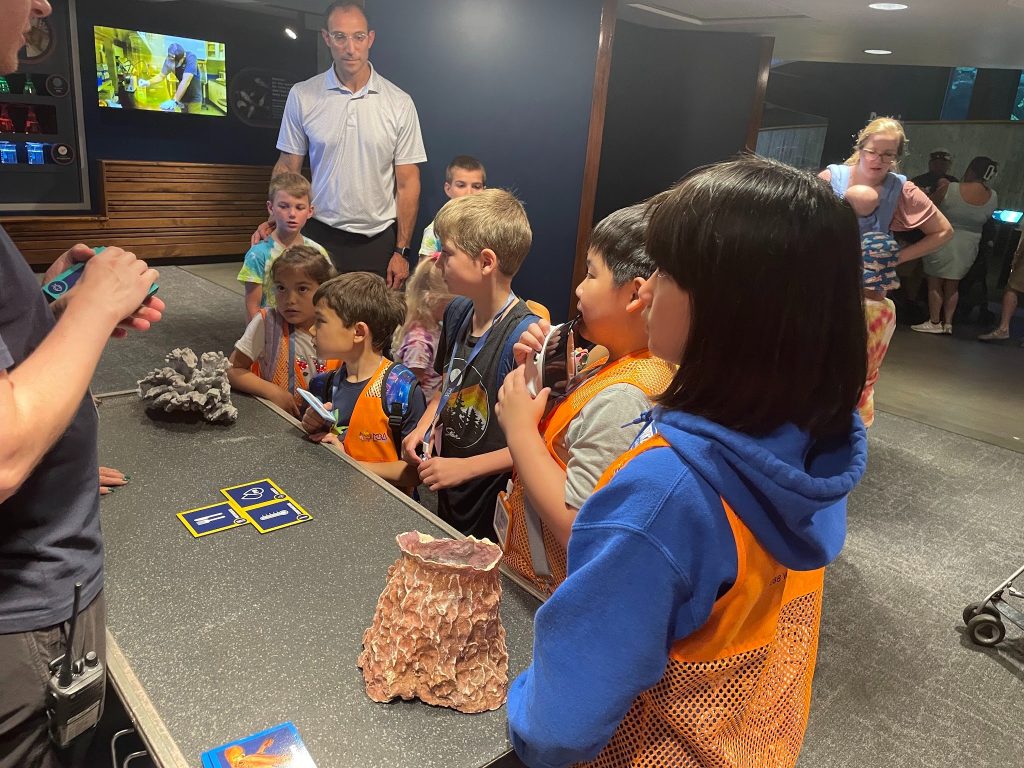
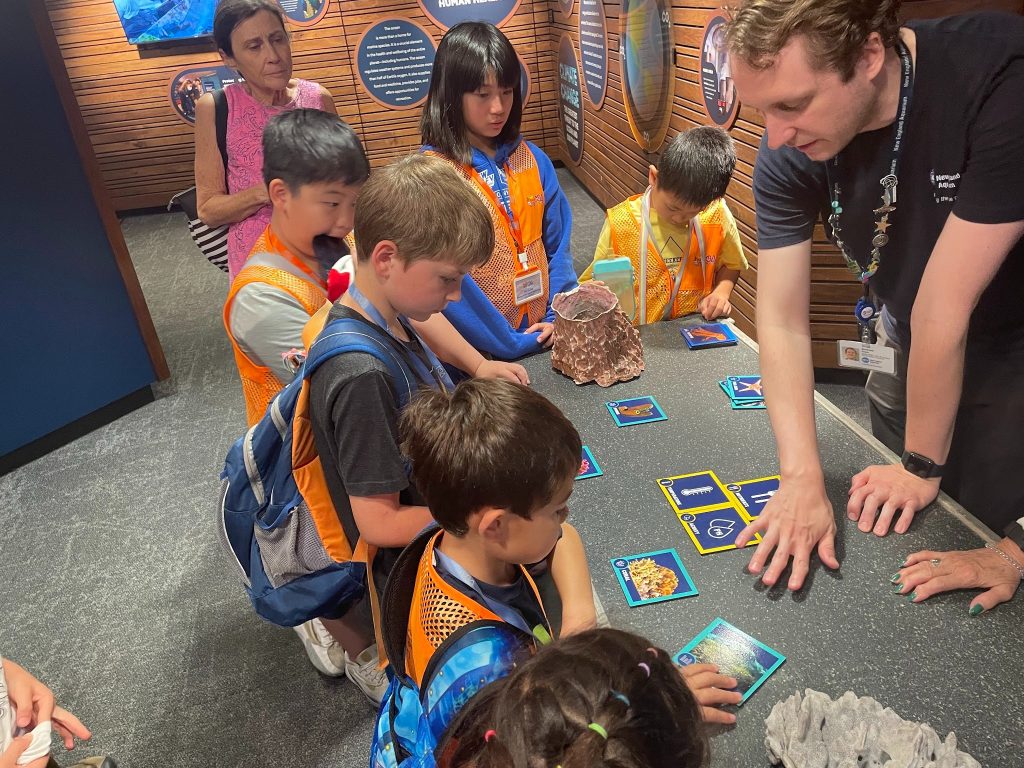
These hands-on activities helped students understand the importance of protecting our oceans and the delicate balance that supports marine life.
✋ Discovering the Ocean Through Touch
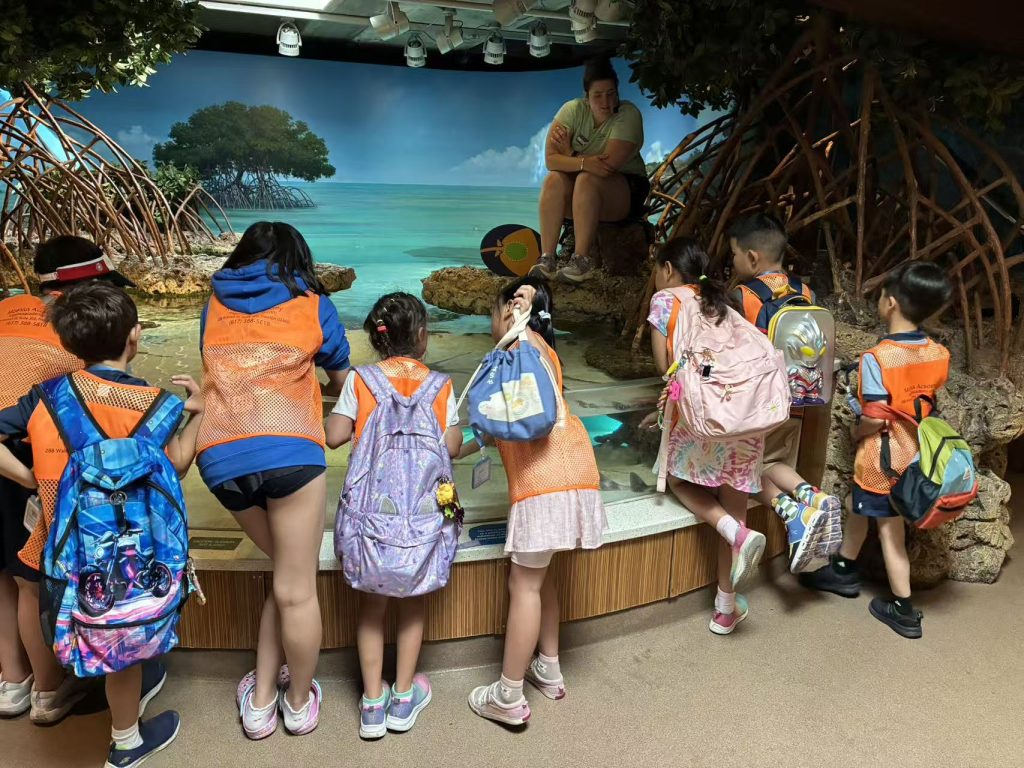
One of the most popular experiences of the day was the Touch Tank.
Students had the exciting opportunity to gently touch sharks and rays, sparking plenty of curiosity and excitement.
Many began asking questions such as:
“Why doesn’t a shark feel the way I expected?”
“Why is a ray so soft?”
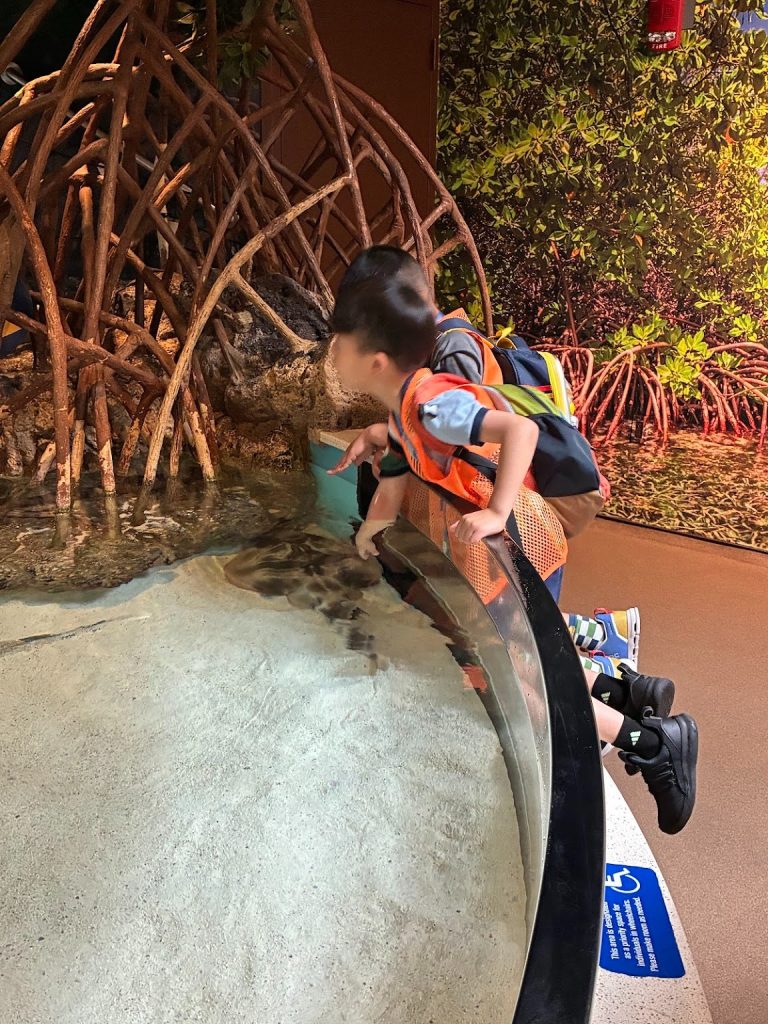
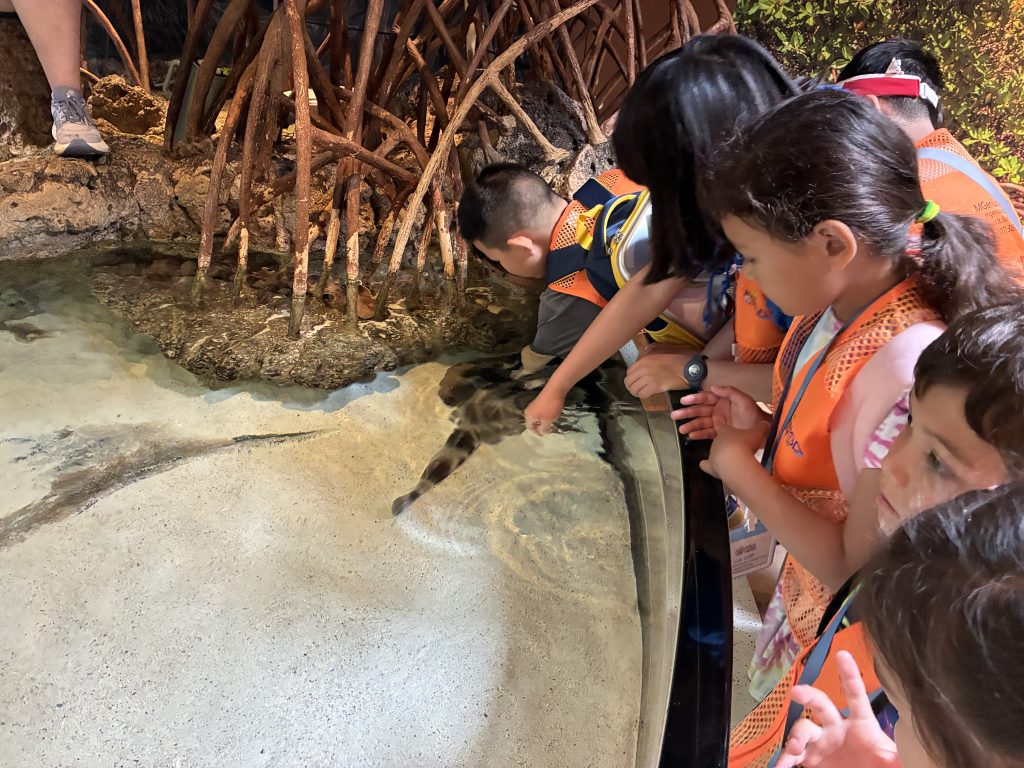
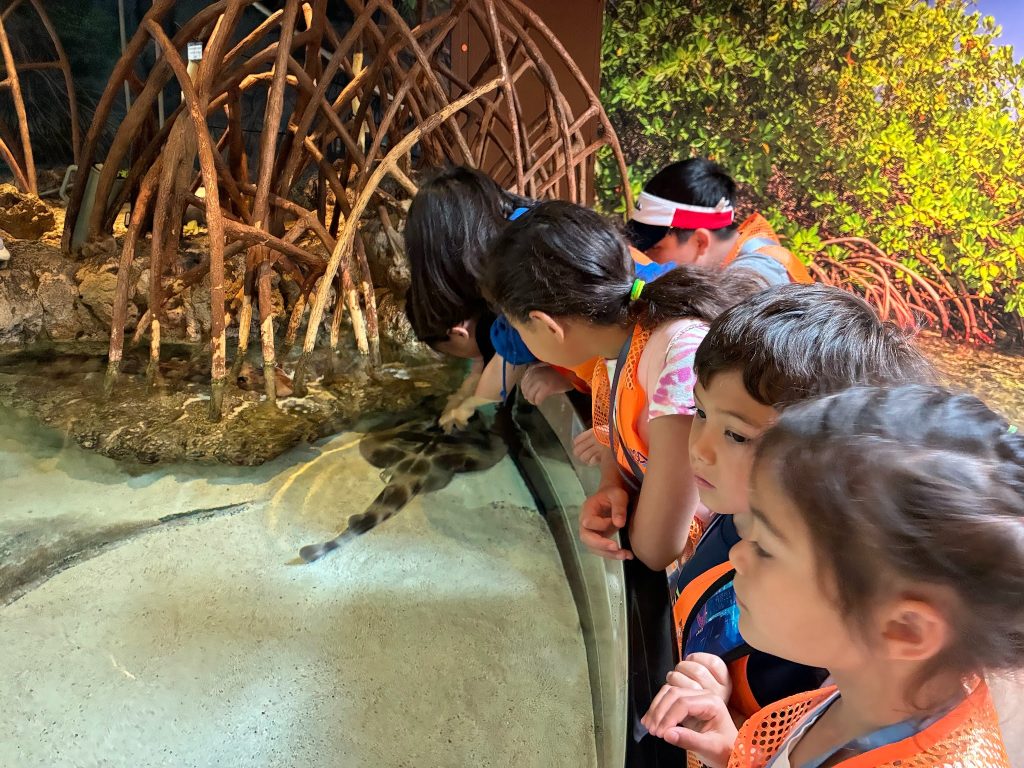
By combining observation with hands-on exploration, students experienced how our sense of touch helps us learn about the world around us.
Some of the animals preferred to hide, so students quickly learned that patience and careful observation were just as important as curiosity. Waiting for the perfect moment became part of the adventure, strengthening both their focus and scientific observation skills.
🌎 Learning Beyond the Classroom
This visit to the New England Aquarium was much more than a fun field trip—it was a living science lesson.
Students used their eyes to observe, their ears to listen, and their hands to explore, while asking questions and making connections between body structures, sensory systems, and the relationship between living things and their environments.
From the classroom to the ocean, from the human body to marine life, learning came alive through exploration, curiosity, and discovery.