Little Designers’ Big Garden: EP2 Students Combine 3D Printing, Coding, and Nature
MGA Boston students explore hands-on STEM learning through 3D-printed planters, plant science, micro: bit coding, and ecological engineering. Campus News | MGA Boston The 3D-printed planters designed by our EP2 students have officially come to life. These creative containers are now home to the first … Continue readingLittle Designers’ Big Garden: EP2 Students Combine 3D Printing, Coding, and Nature
MGA Boston students explore hands-on STEM learning through 3D-printed planters, plant science, micro: bit coding, and ecological engineering.
Campus News | MGA Boston
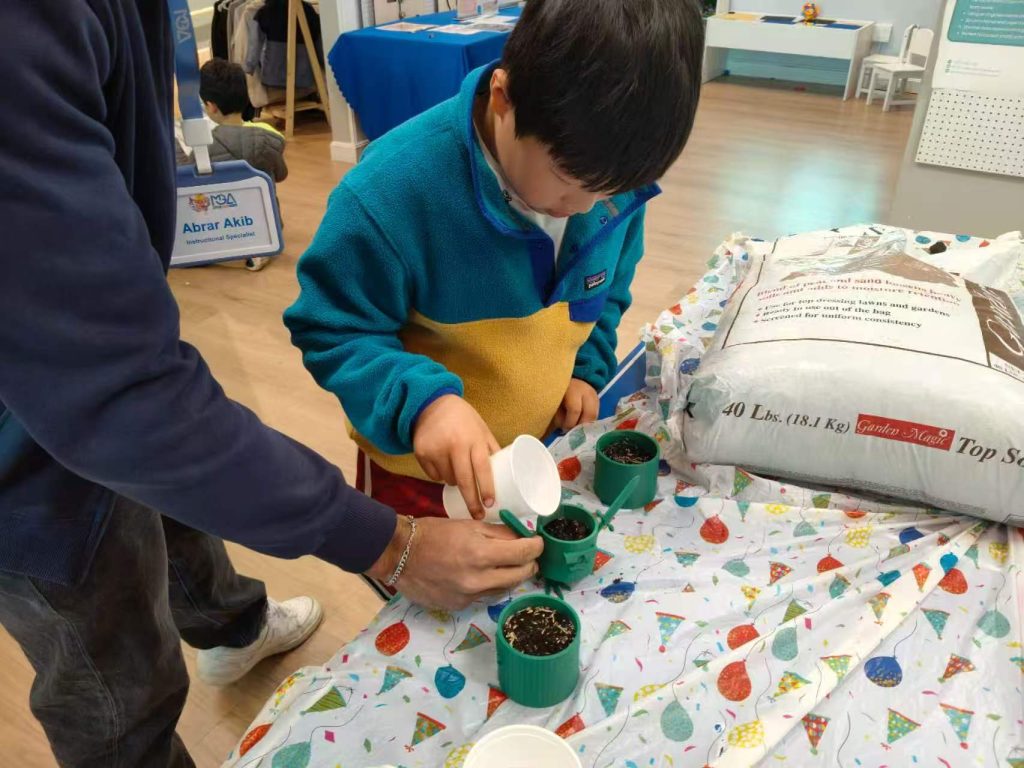
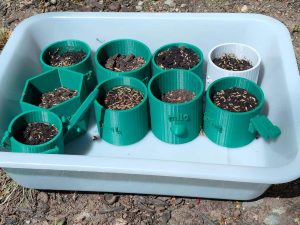
The 3D-printed planters designed by our EP2 students have officially come to life. These creative containers are now home to the first batch of sprouting seeds, marking the beginning of an exciting hands-on STEM project that combines technology, engineering, and nature.
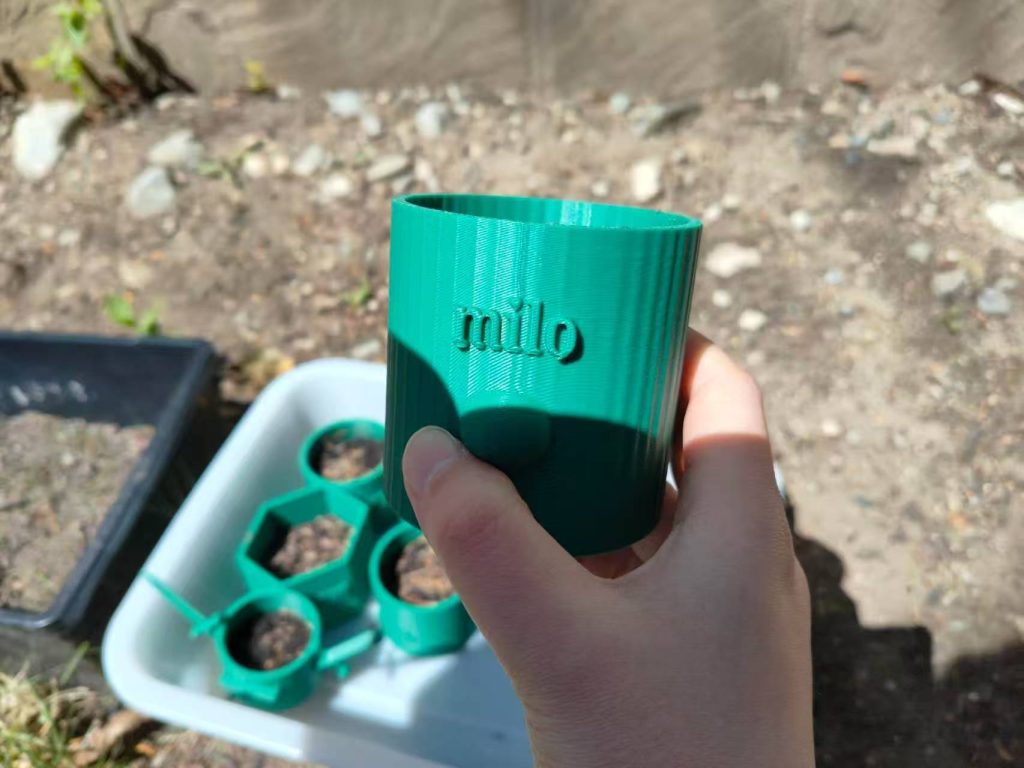
As students begin the Animals & Plants unit, they are exploring how living systems work while applying engineering and coding skills to real-world projects. This interdisciplinary learning experience helps young students connect science concepts with creative design, problem-solving, and environmental awareness.
Throughout this unit, EP2 students will take part in a multi-stage STEM journey:
Photosynthesis Discovery
Students learn what plants need to grow and thrive, including sunlight, water, air, and soil conditions.
Coding with micro:bit
Students will build smart “watering reminders” using micro:bit programming to monitor soil moisture and support plant care.
Ecological Engineering Projects
Upcoming activities include building water filters, studying food webs, and creating miniature tropical rainforest models.
This project is more than a gardening activity. It is a hands-on STEM learning experience where students use 3D printing, coding, biology, and engineering design to better understand the natural world.
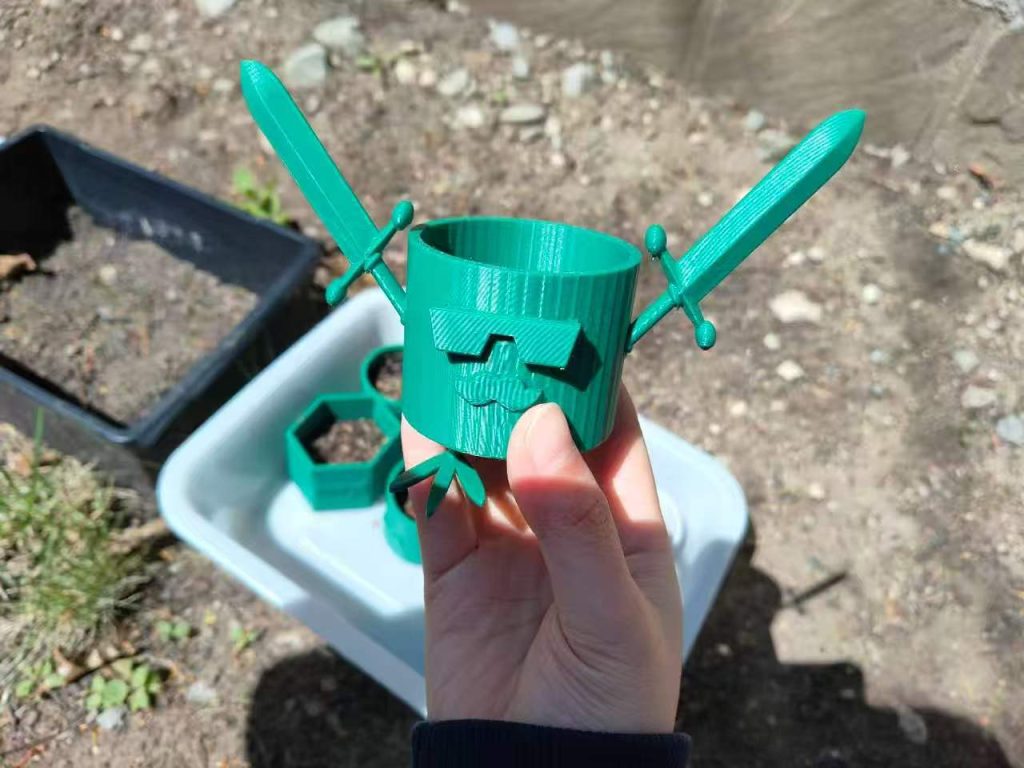
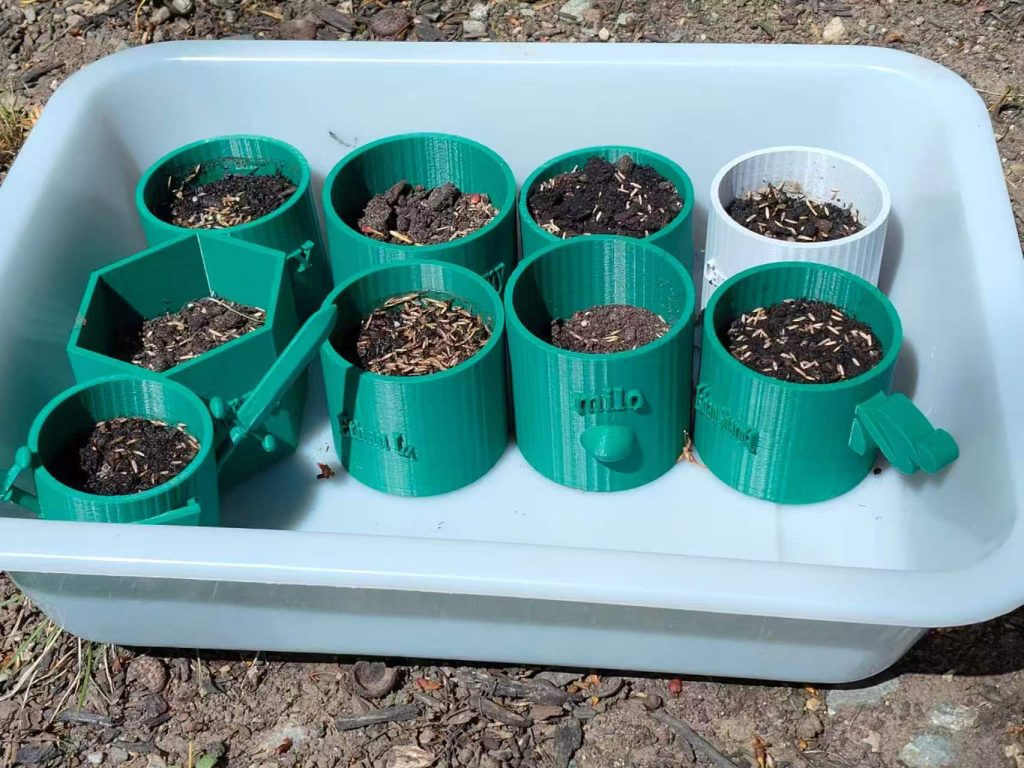
At MGA Boston, our engineering and STEM programs encourage students to turn curiosity into real projects. Through creative challenges like the EP2 smart garden project, students develop problem-solving skills, design thinking, and a deeper appreciation for the environment.
Stay tuned for more updates as our EP2 garden continues to grow.