One Beam of Light, One Story, One Cultural Connection | MGA Shadow Studio
What can children create with a beam of light, a simple screen, and a few wooden rods? At MGA Shadow Studio: Shadow Puppetry Building & Performing Camp, our students answered that question with imagination, creativity, and confidence. Throughout the camp, they didn’t just build shadow … Continue readingOne Beam of Light, One Story, One Cultural Connection | MGA Shadow Studio
What can children create with a beam of light, a simple screen, and a few wooden rods?
At MGA Shadow Studio: Shadow Puppetry Building & Performing Camp, our students answered that question with imagination, creativity, and confidence.
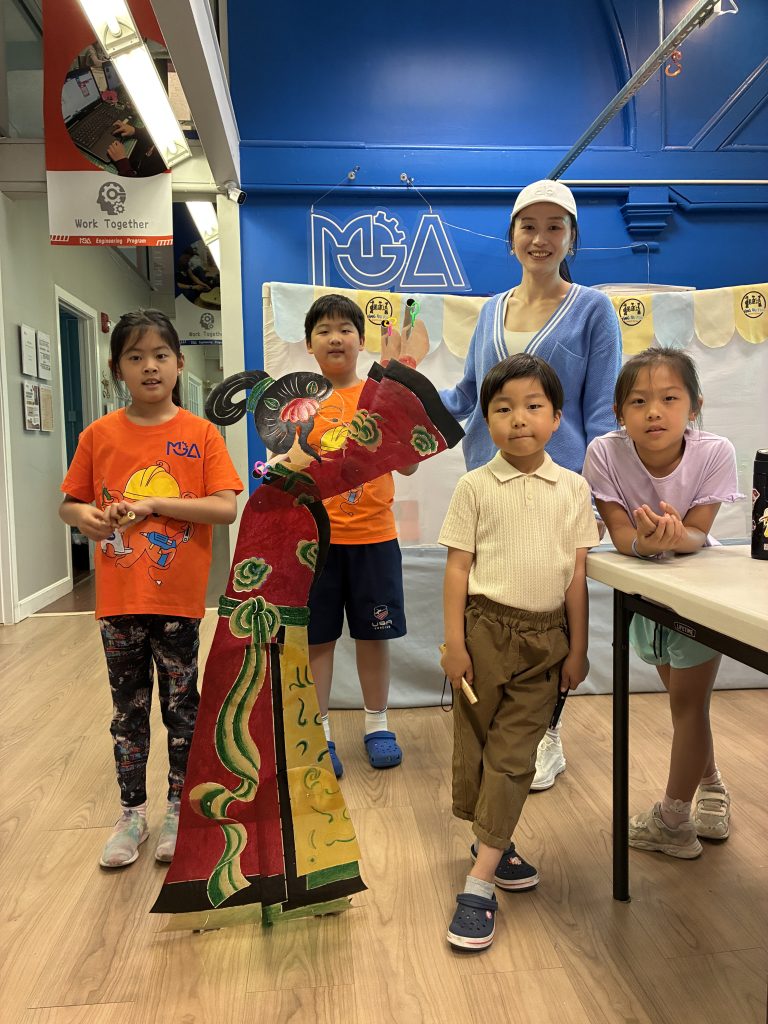
Throughout the camp, they didn’t just build shadow puppets—they designed their own shadow theaters, created original stories, explored the science behind light, and ultimately performed their very own shadow puppet productions.
And it all began with one simple question: How do you bring a story to life?
From Audience to Director
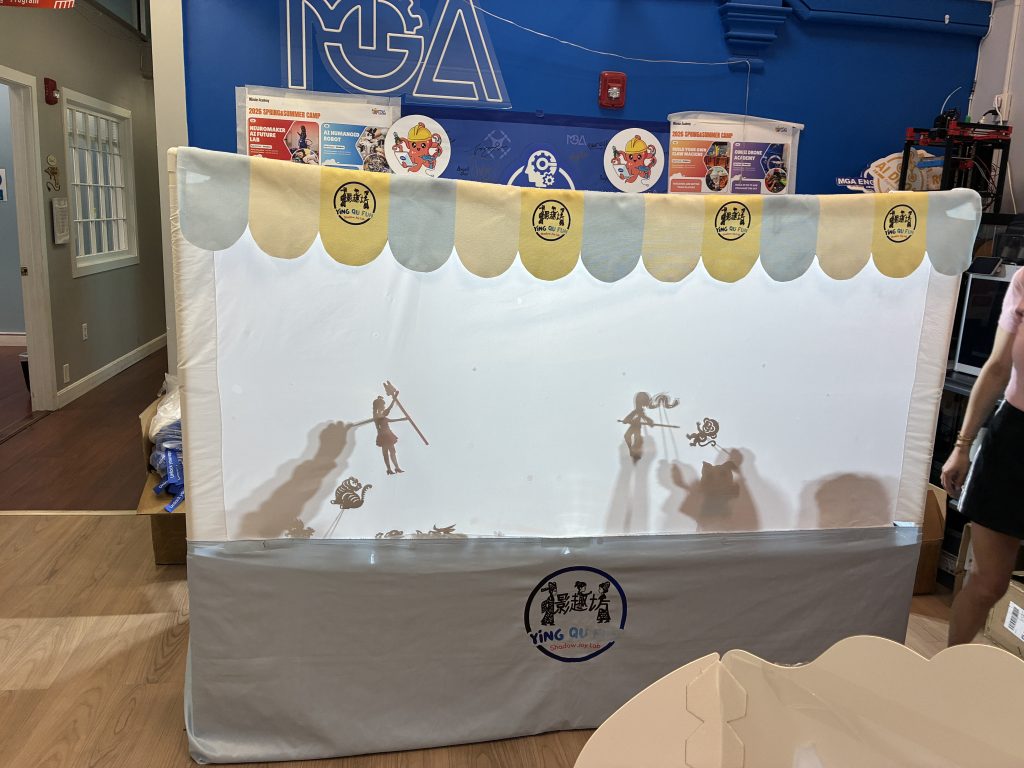
The journey began with a live shadow puppet performance by our instructor. Instead of immediately jumping into building, students were invited to think like storytellers.
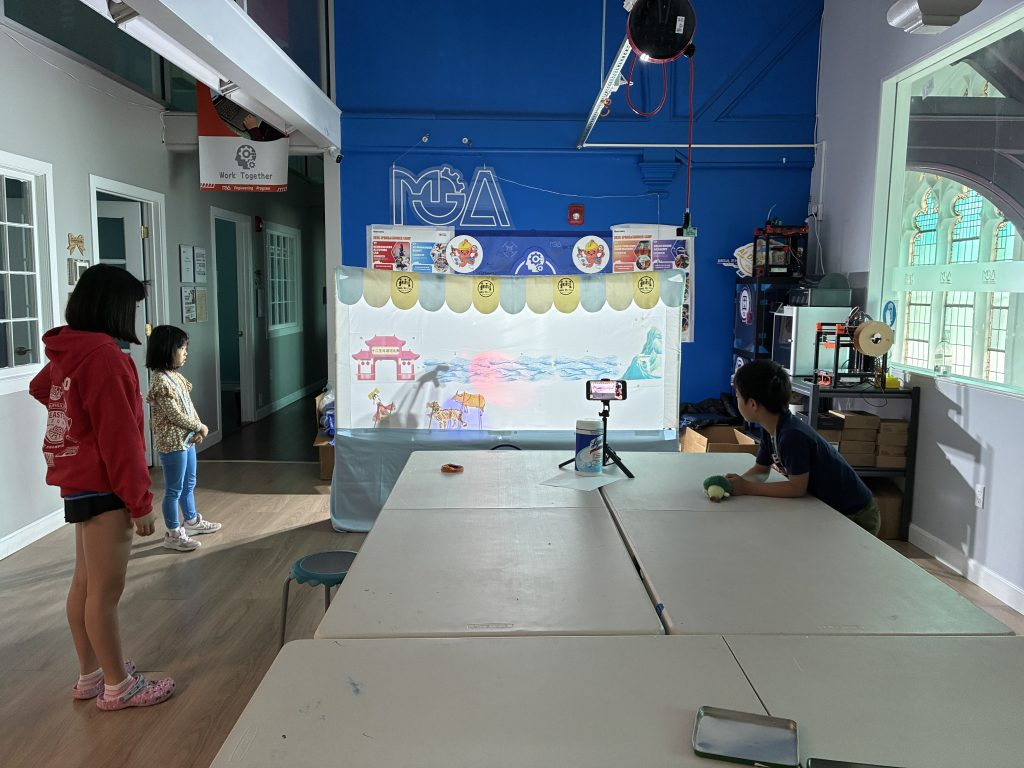
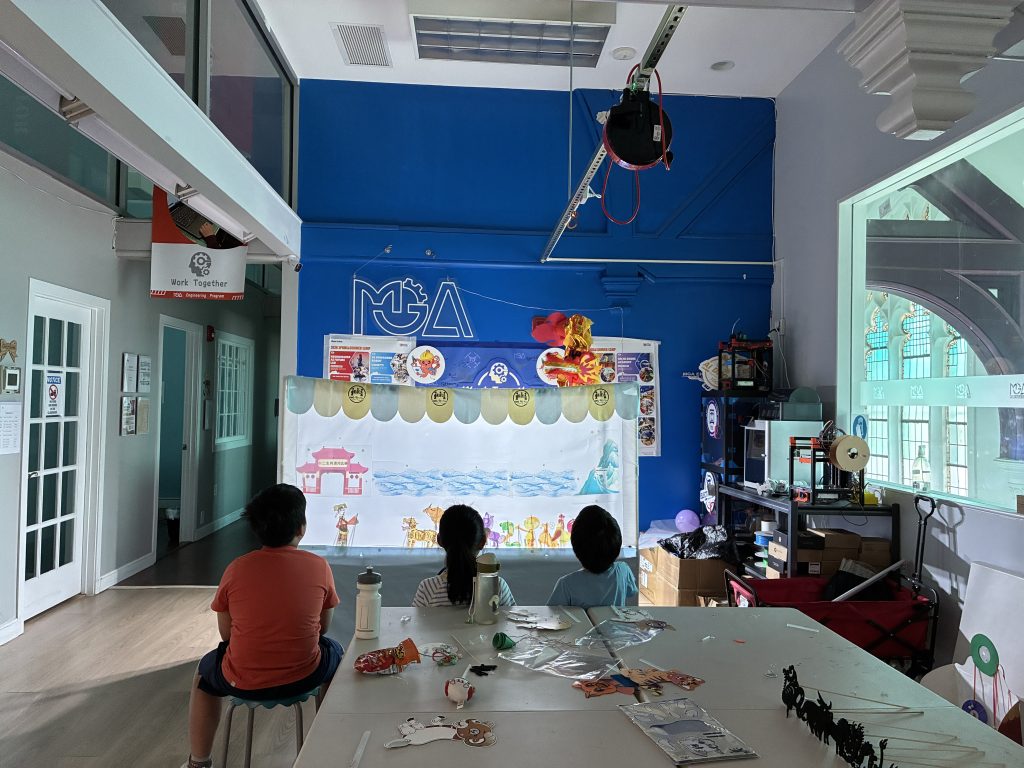
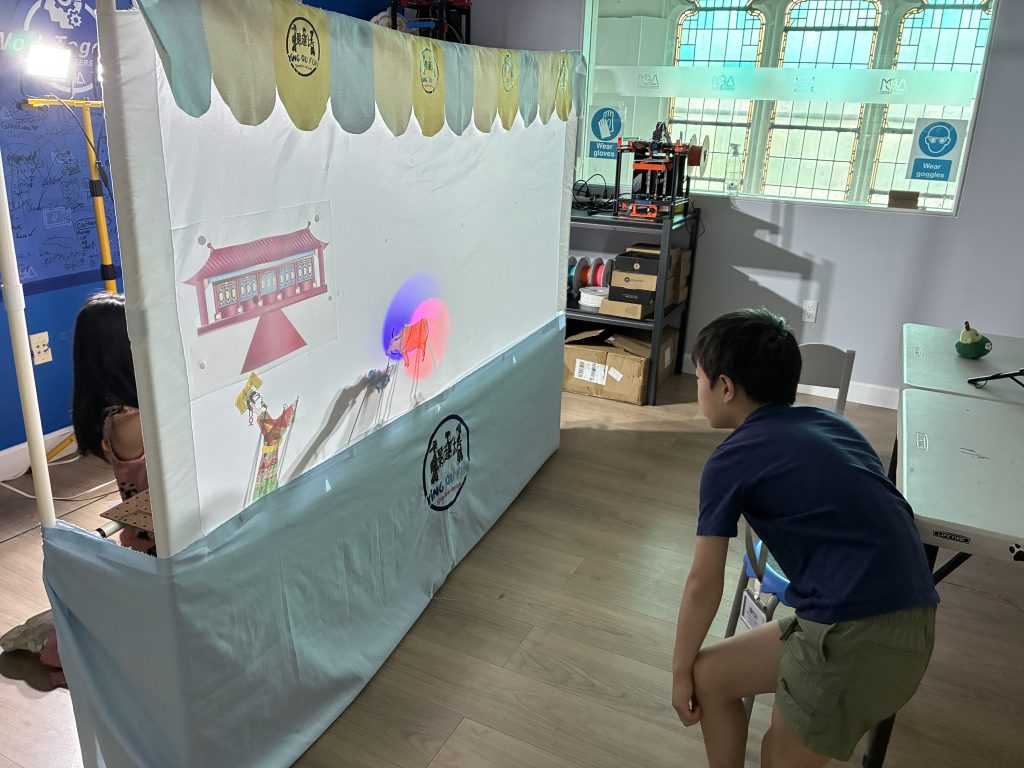
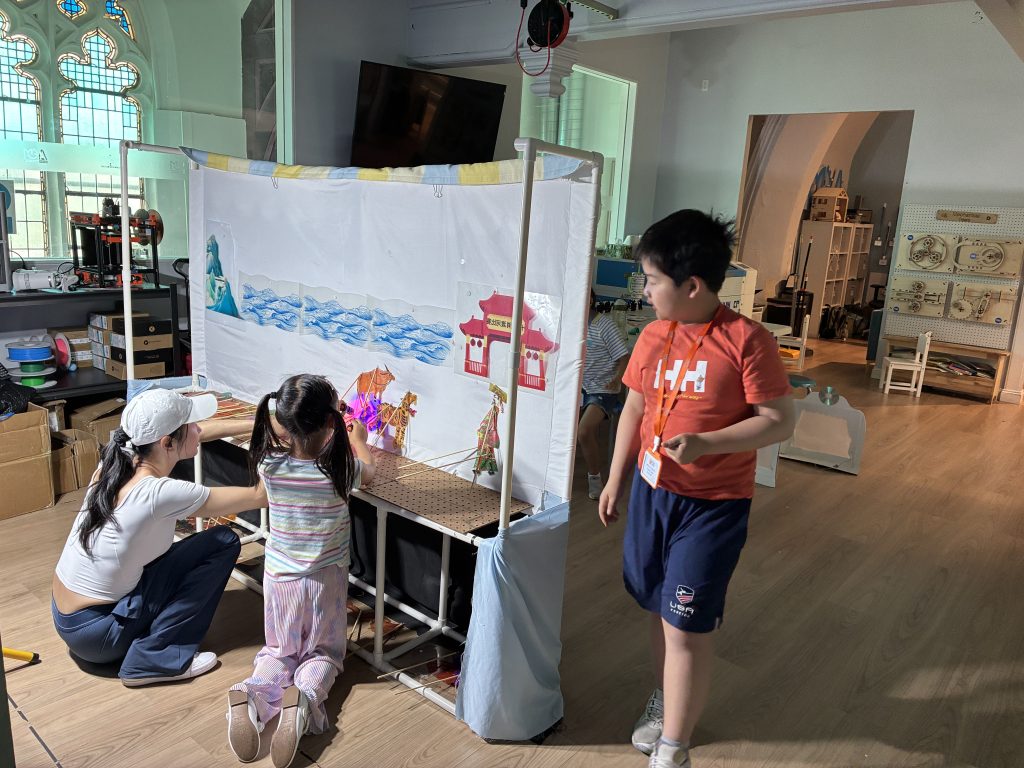
“What kinds of theater have you seen? What makes a performance memorable?”
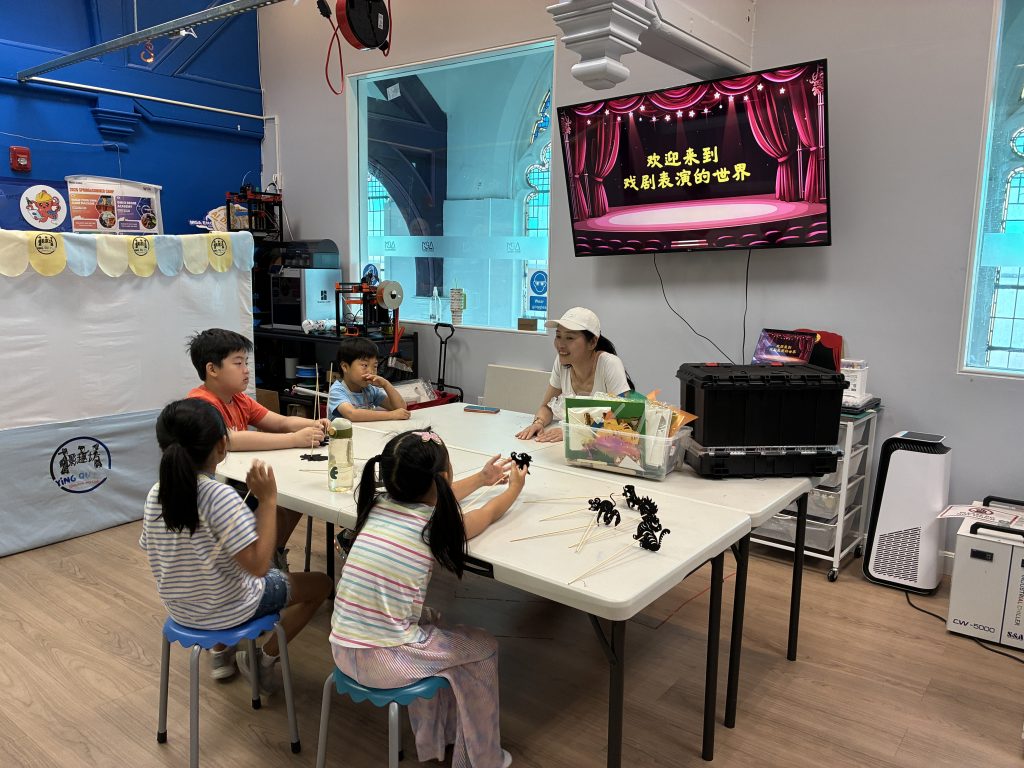
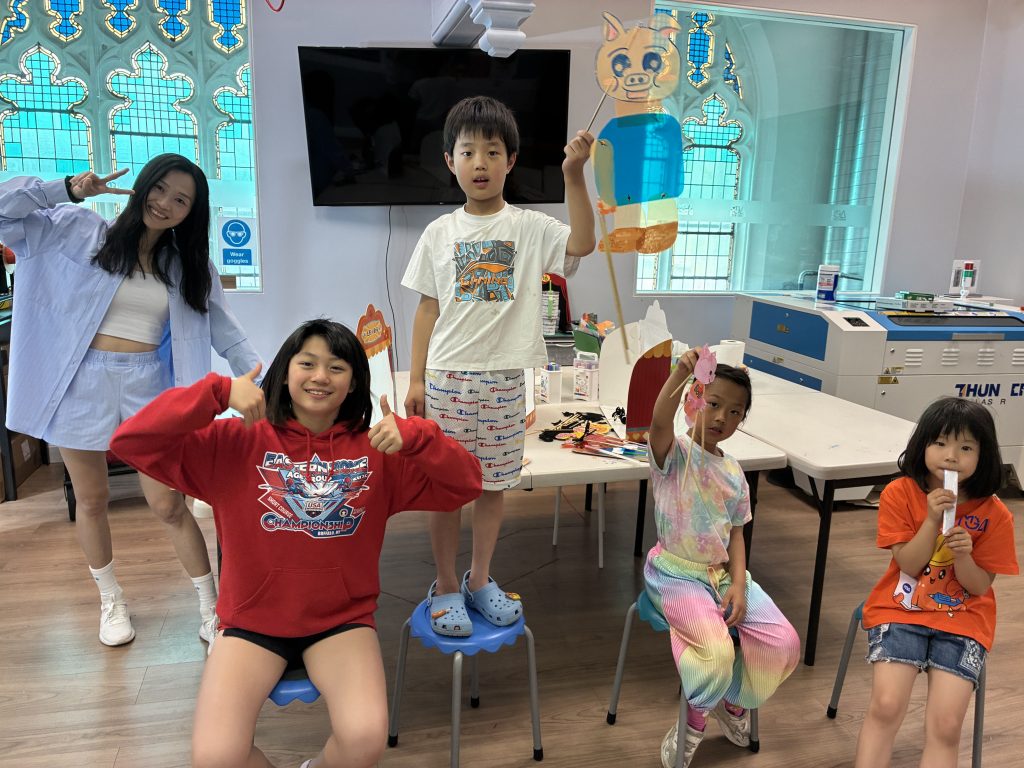
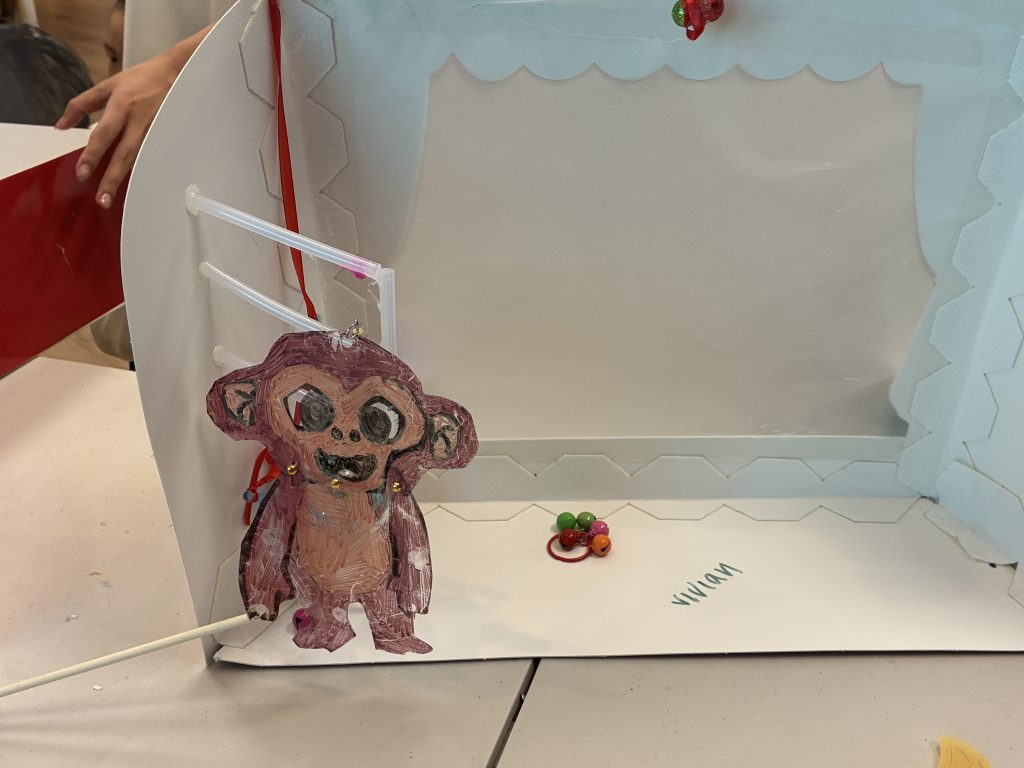
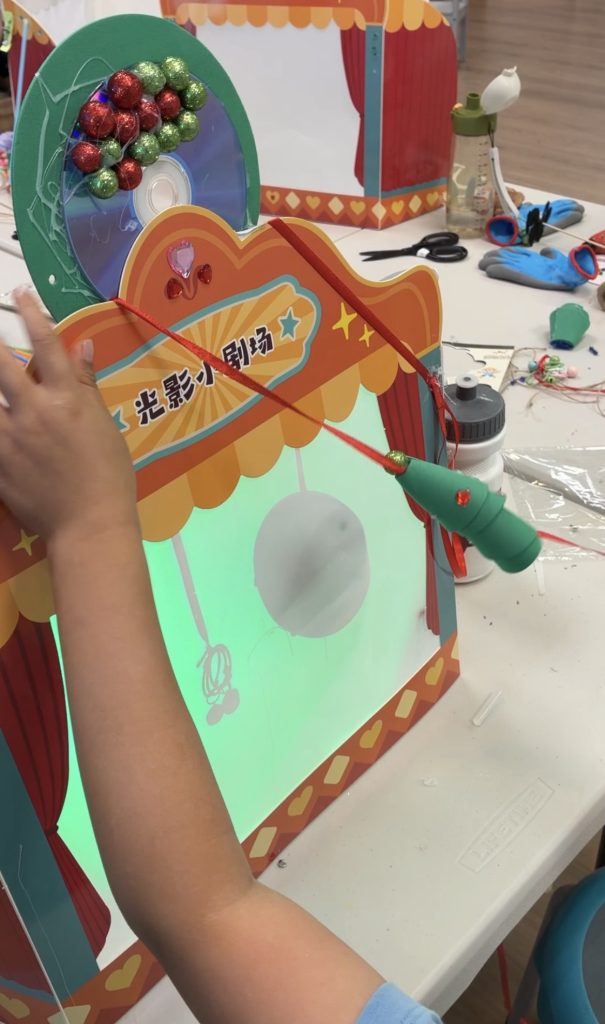
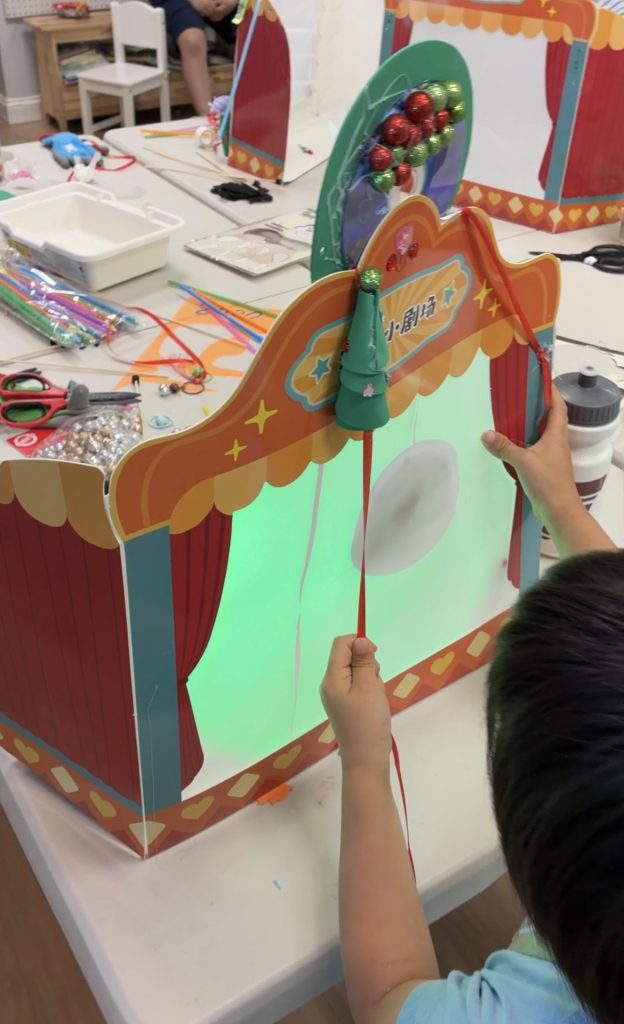
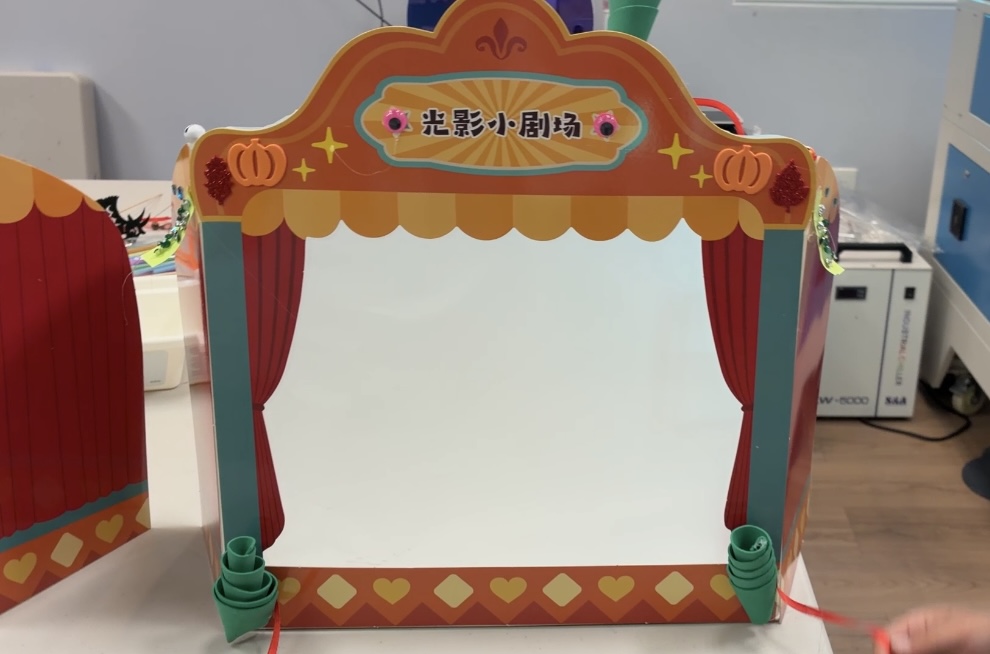
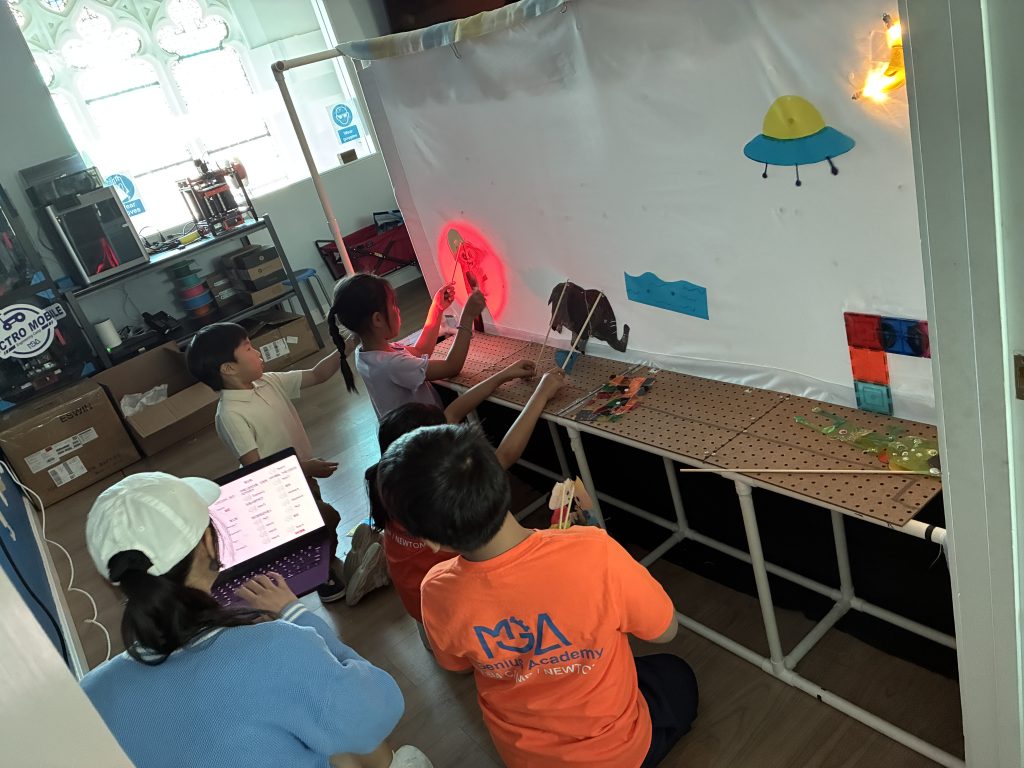
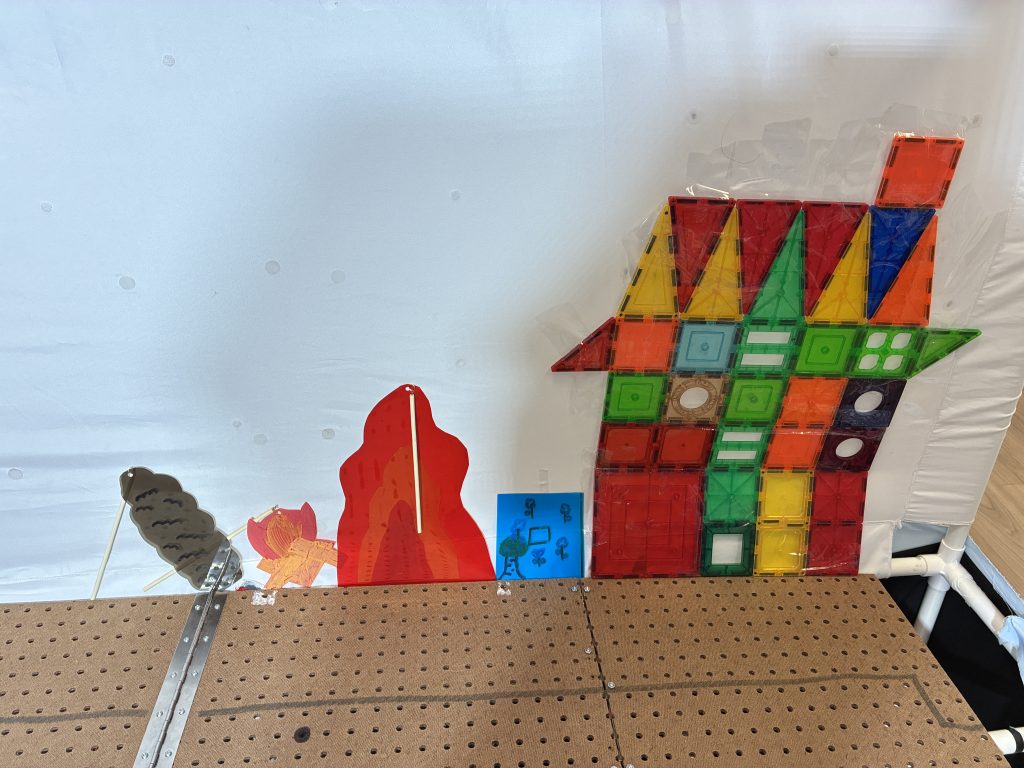
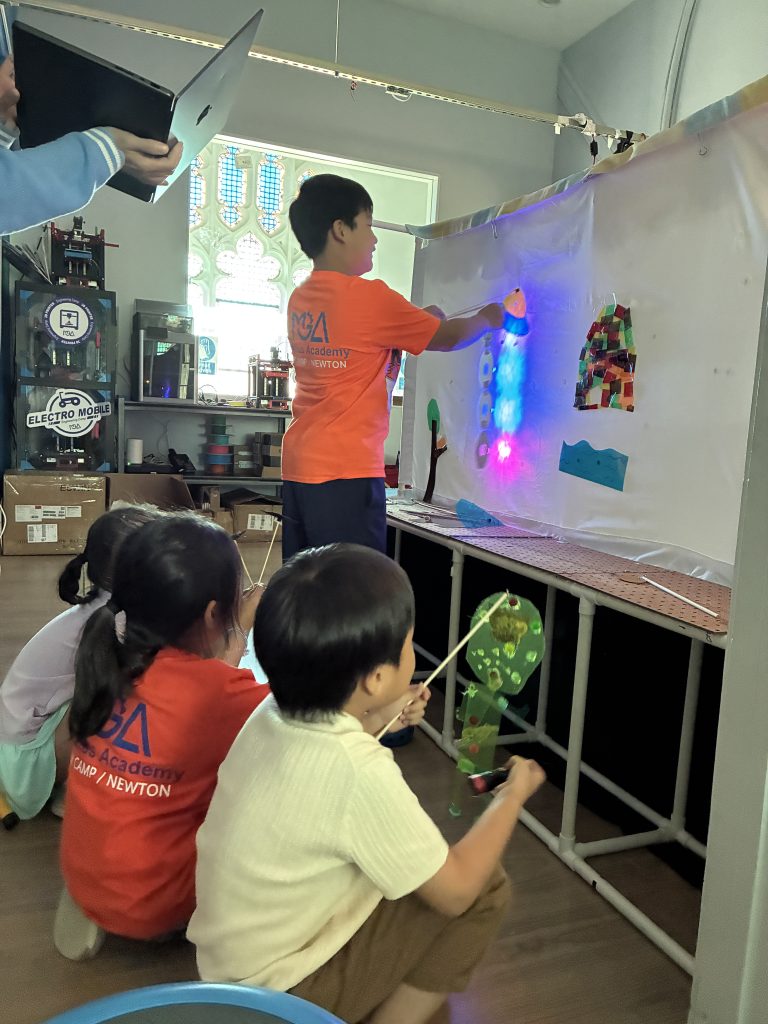
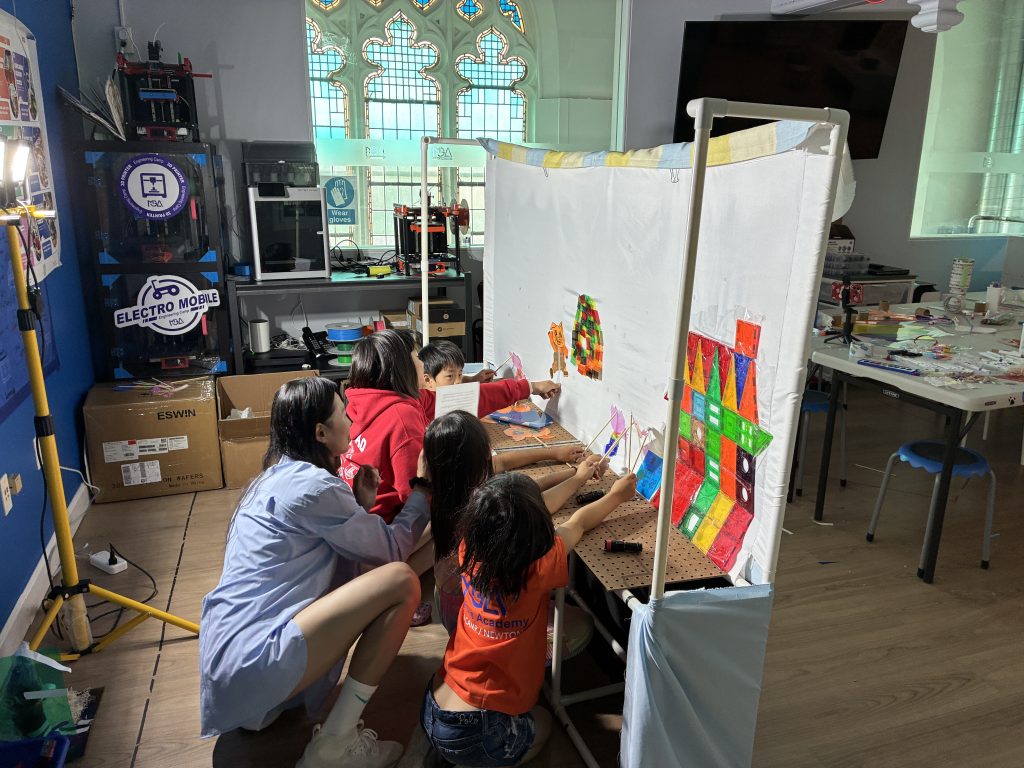
Inspired by these discussions, each child built a personal shadow theater. Some designed movable stage backdrops, others created puppet storage systems to organize their backstage area, and a few even invented playful “security cameras” (made with googly eyes!) to “monitor” both the audience and backstage crew.
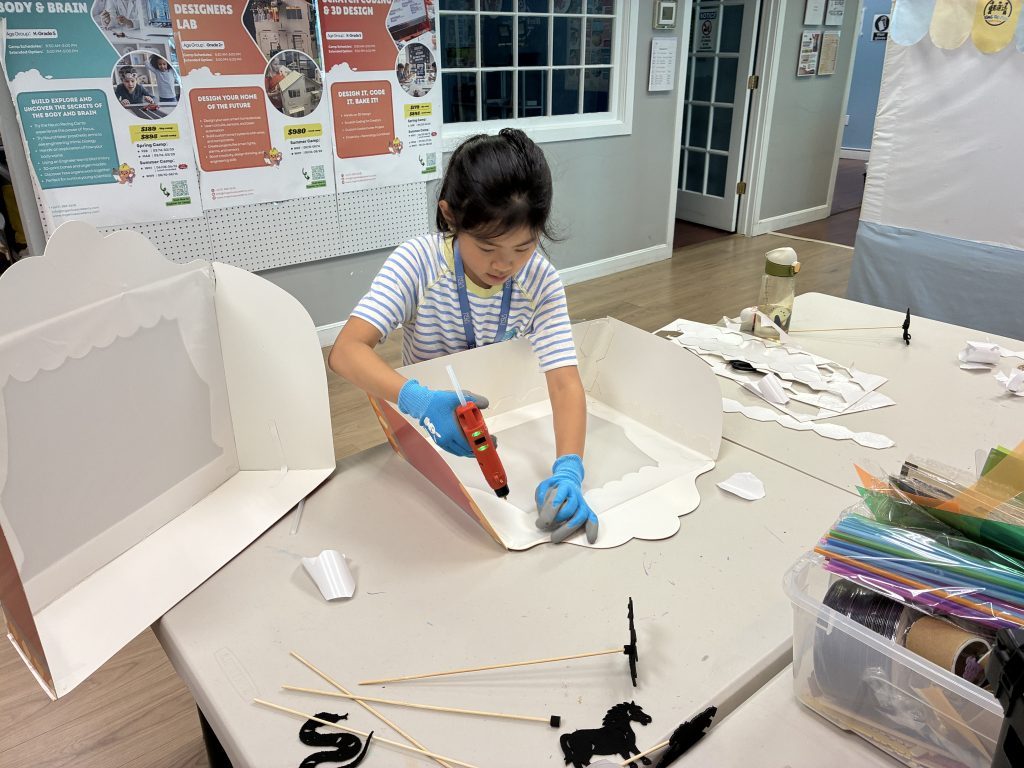
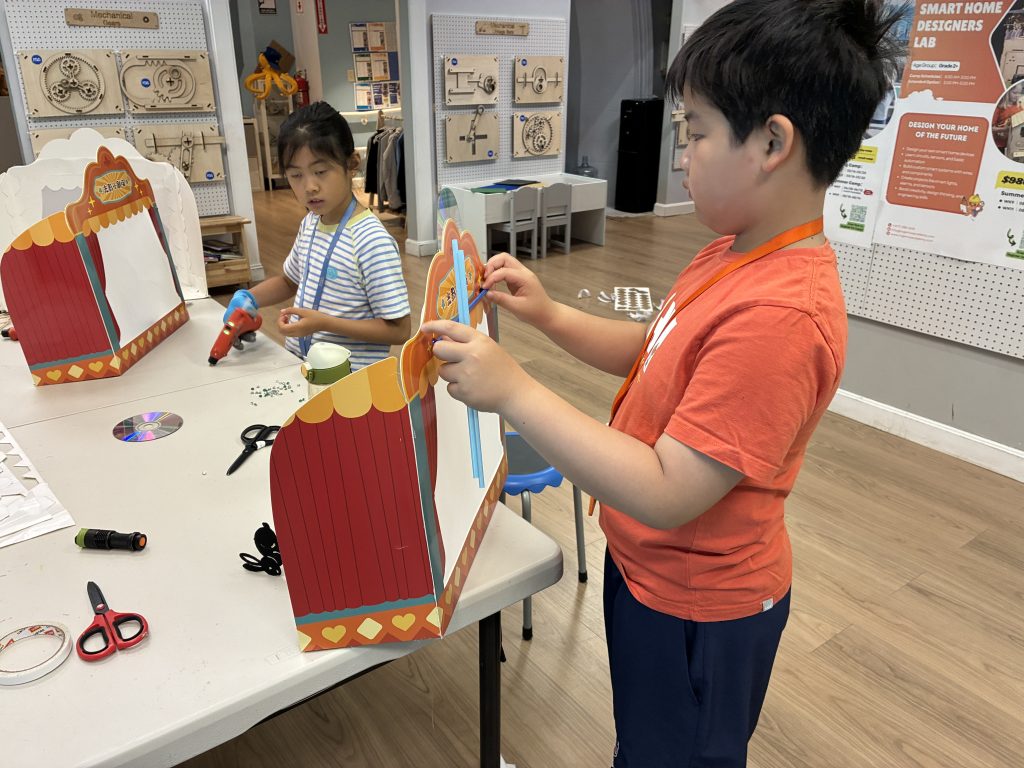
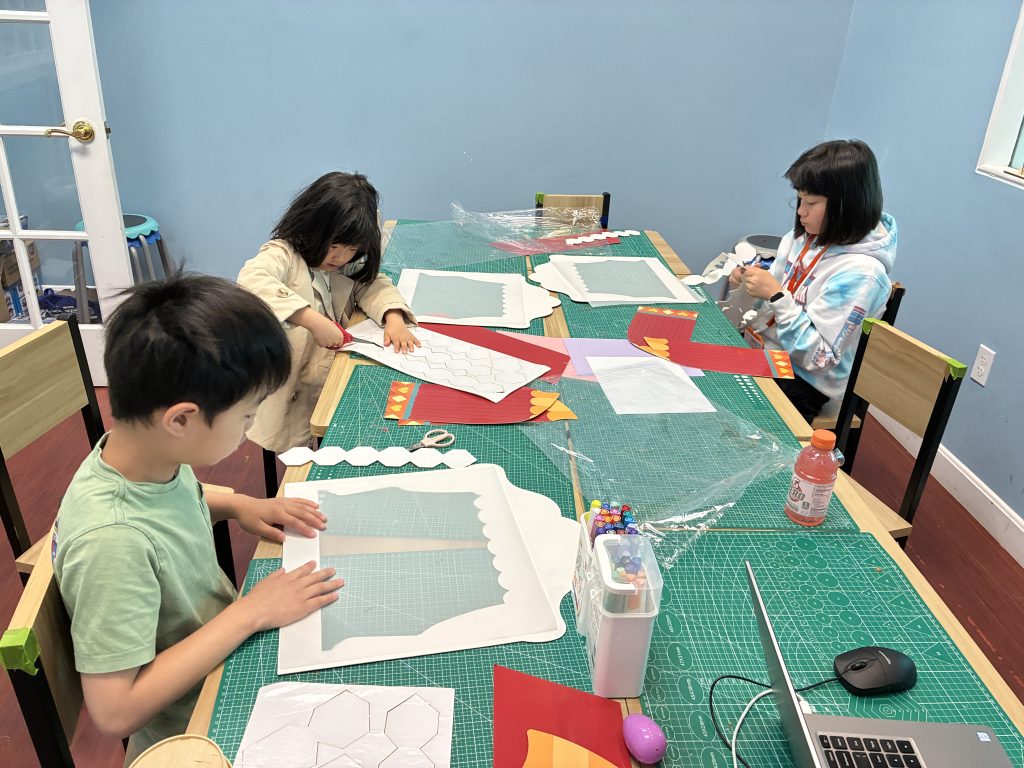
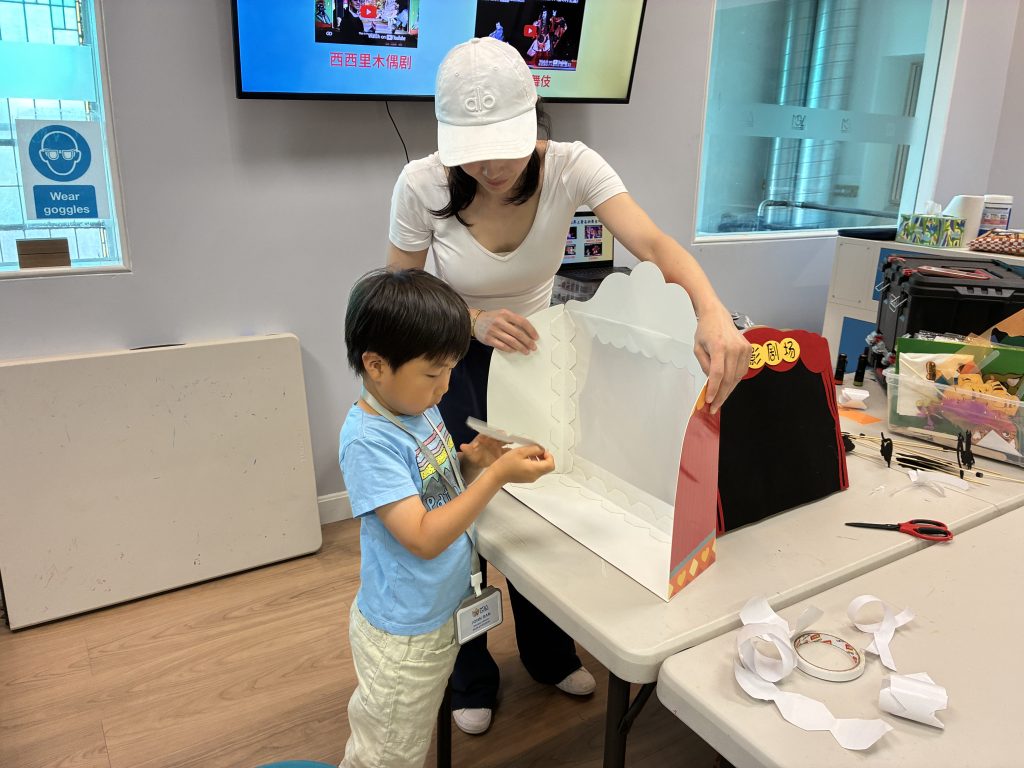
Every theater reflected its creator’s unique imagination.
Discovering the Engineering Behind a Puppet
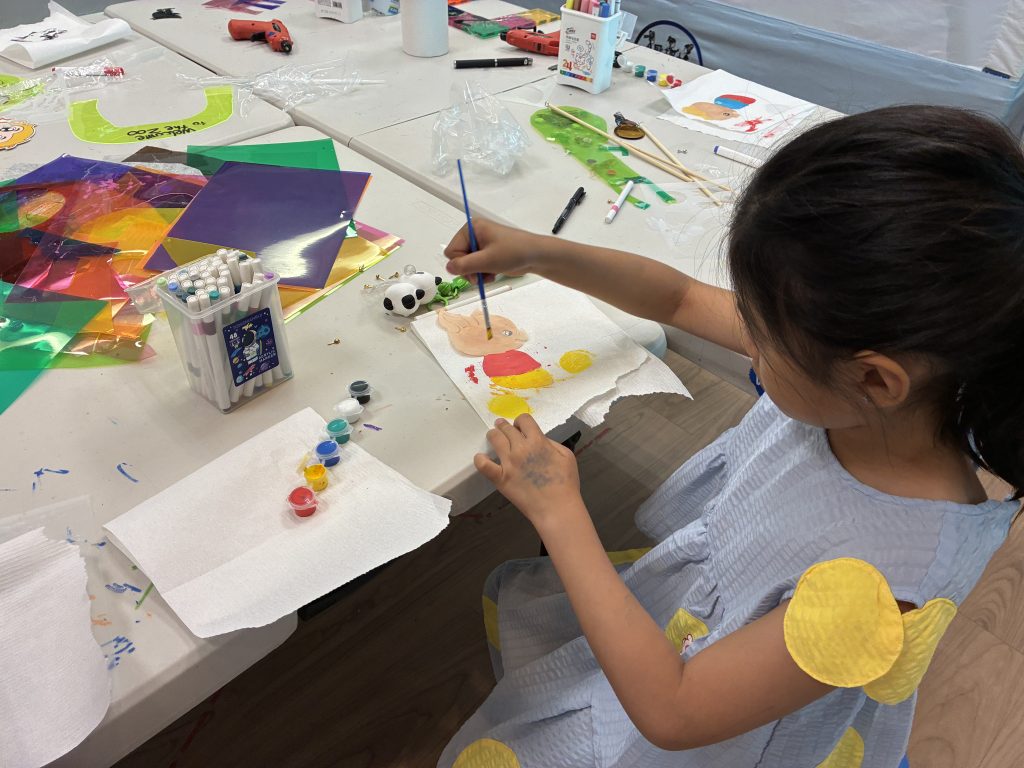
As students began building their own puppets, they quickly realized that creating a beautiful puppet wasn’t enough—it also needed to move naturally.
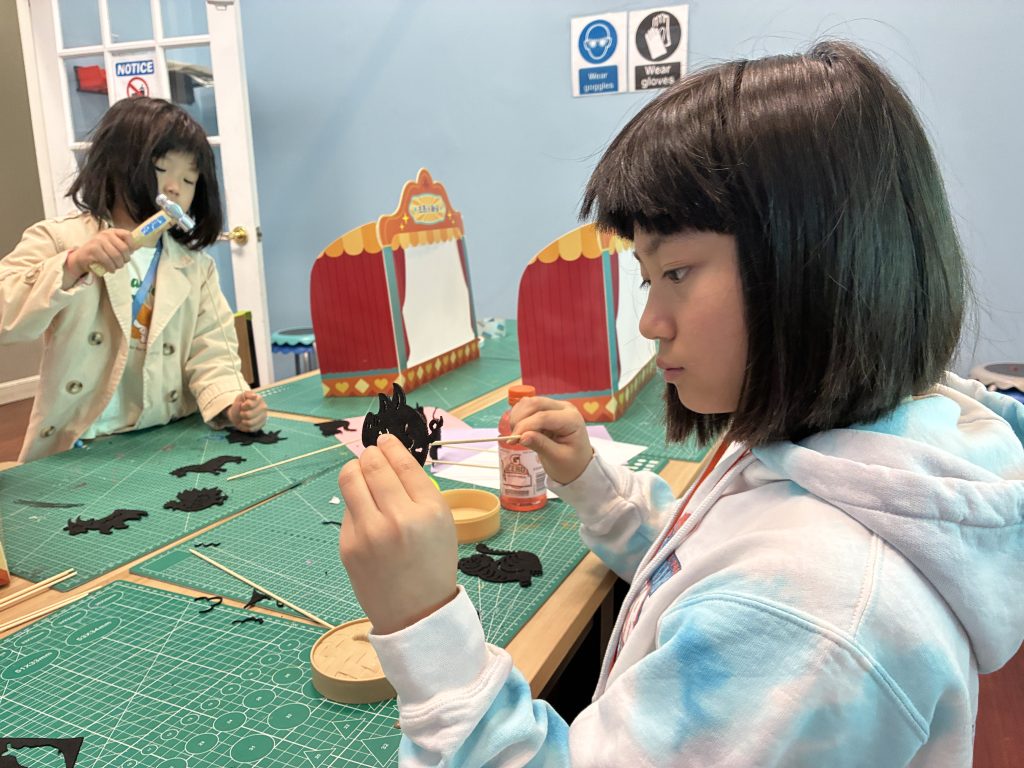
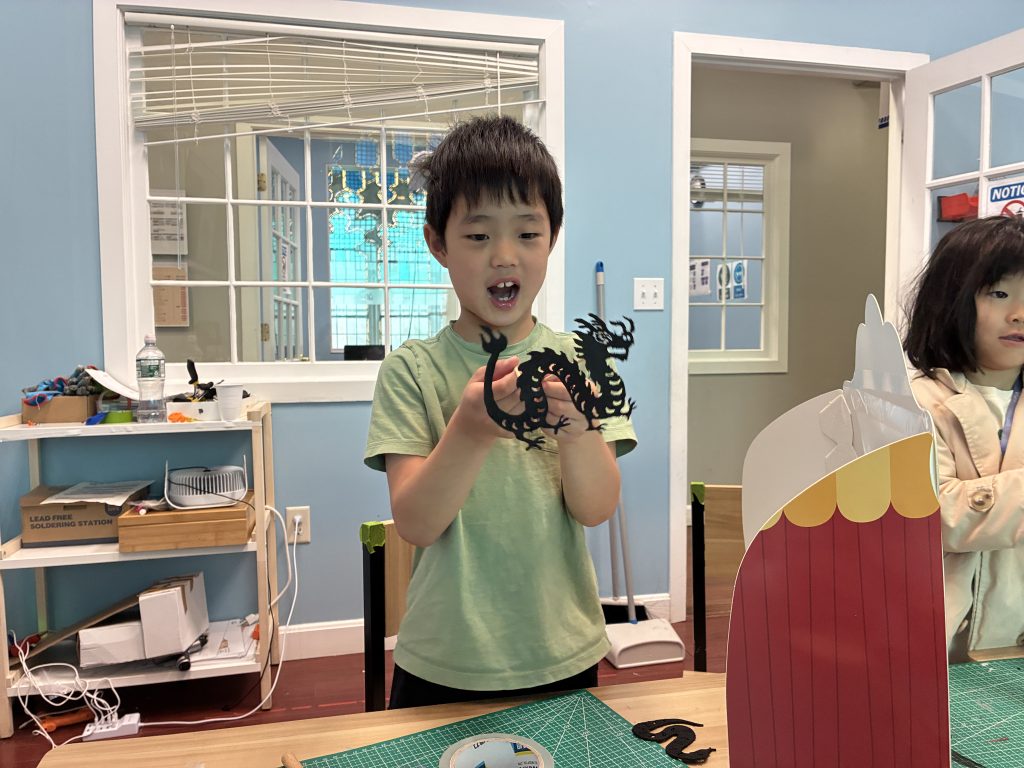
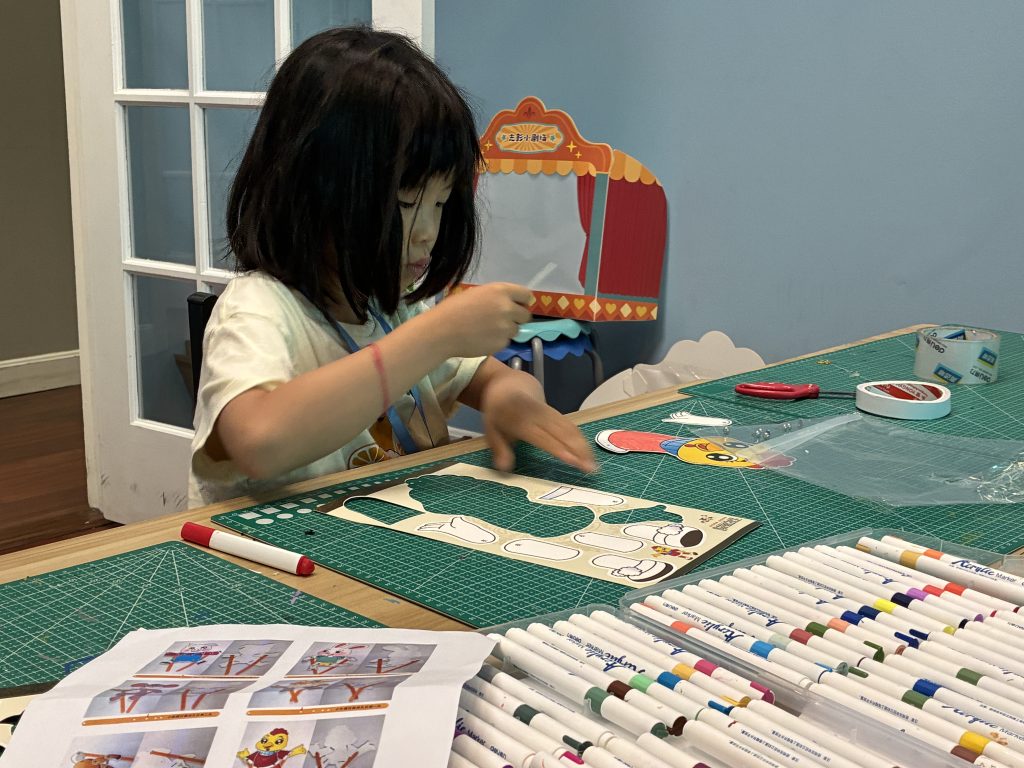
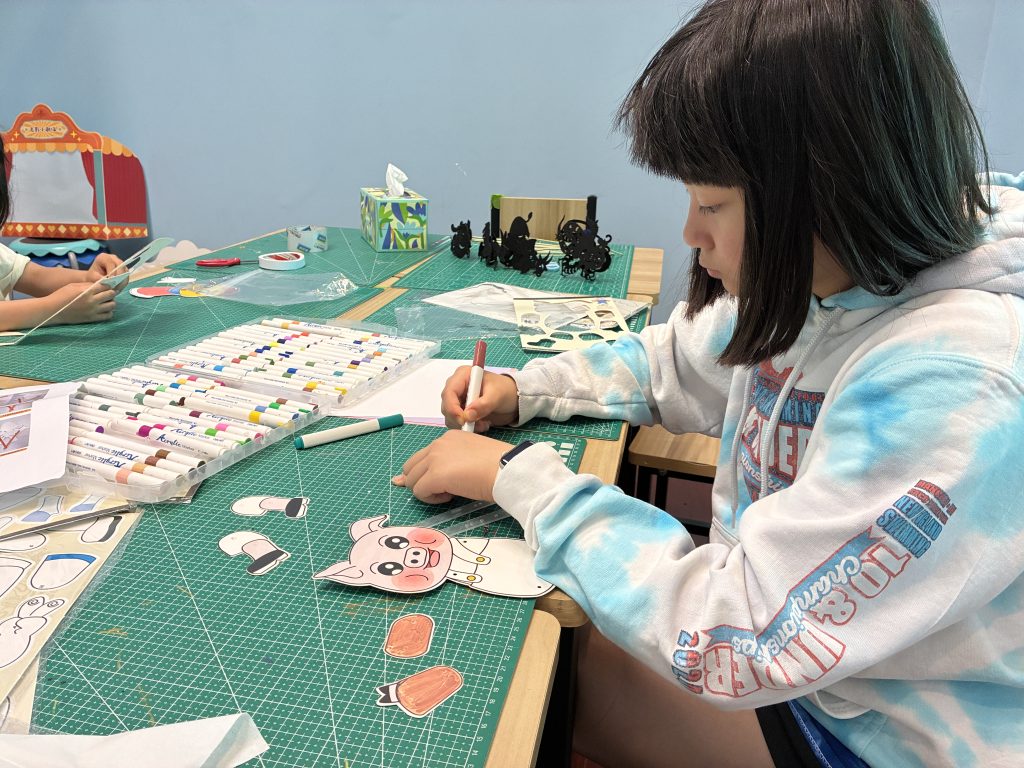
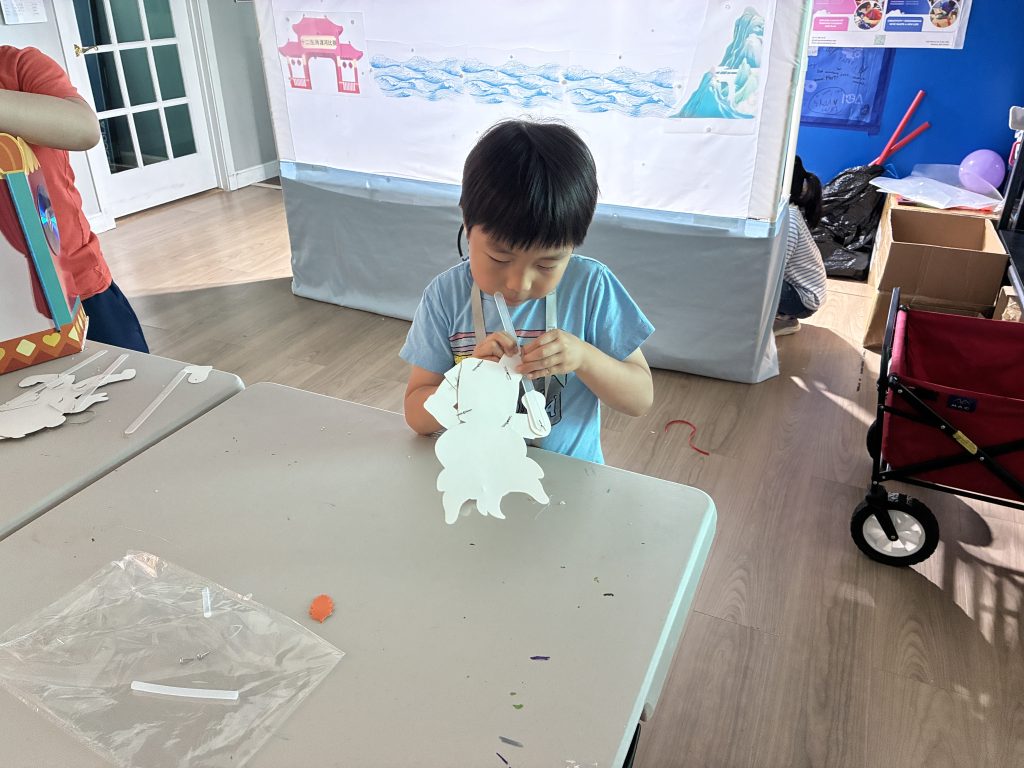
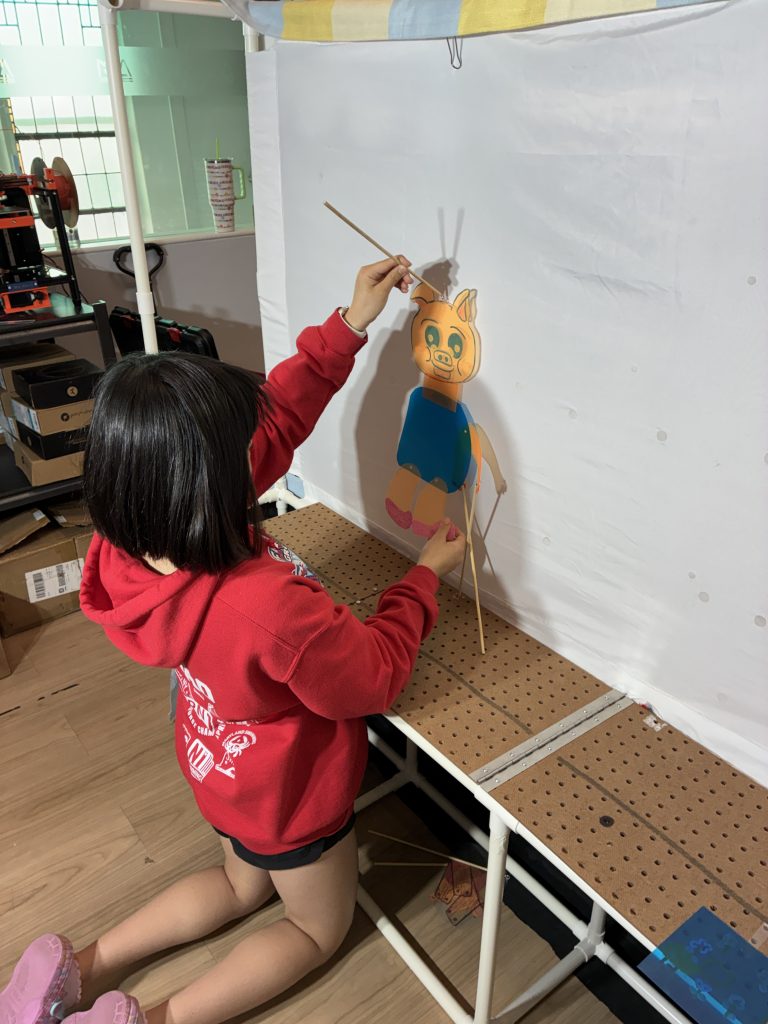
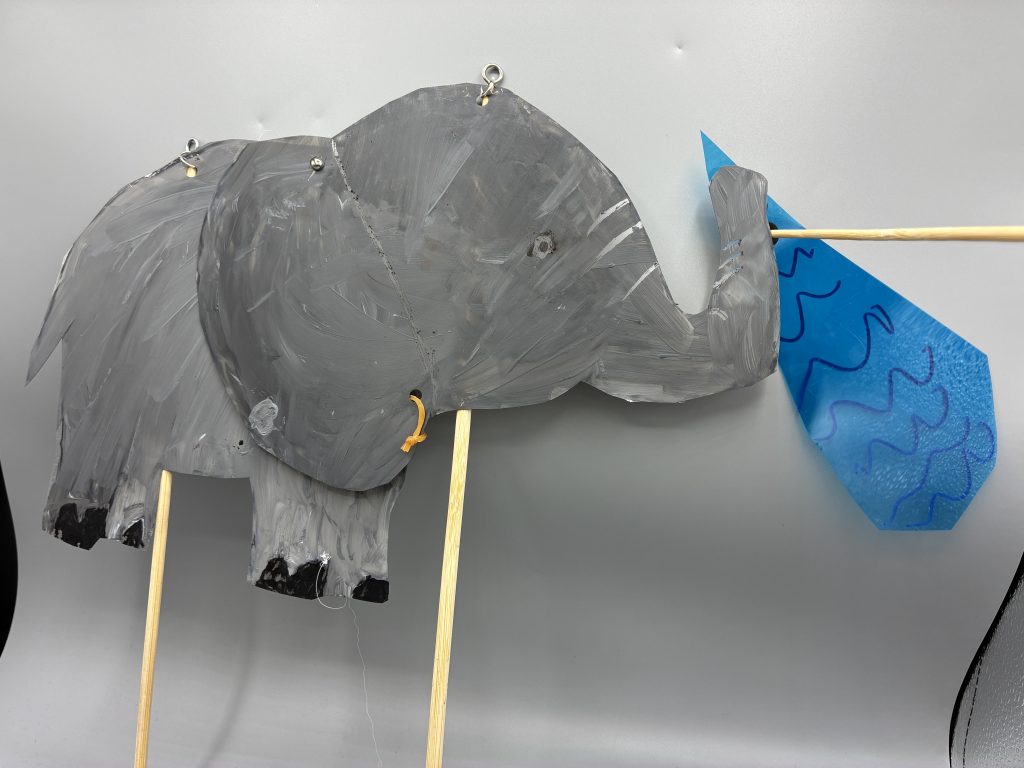
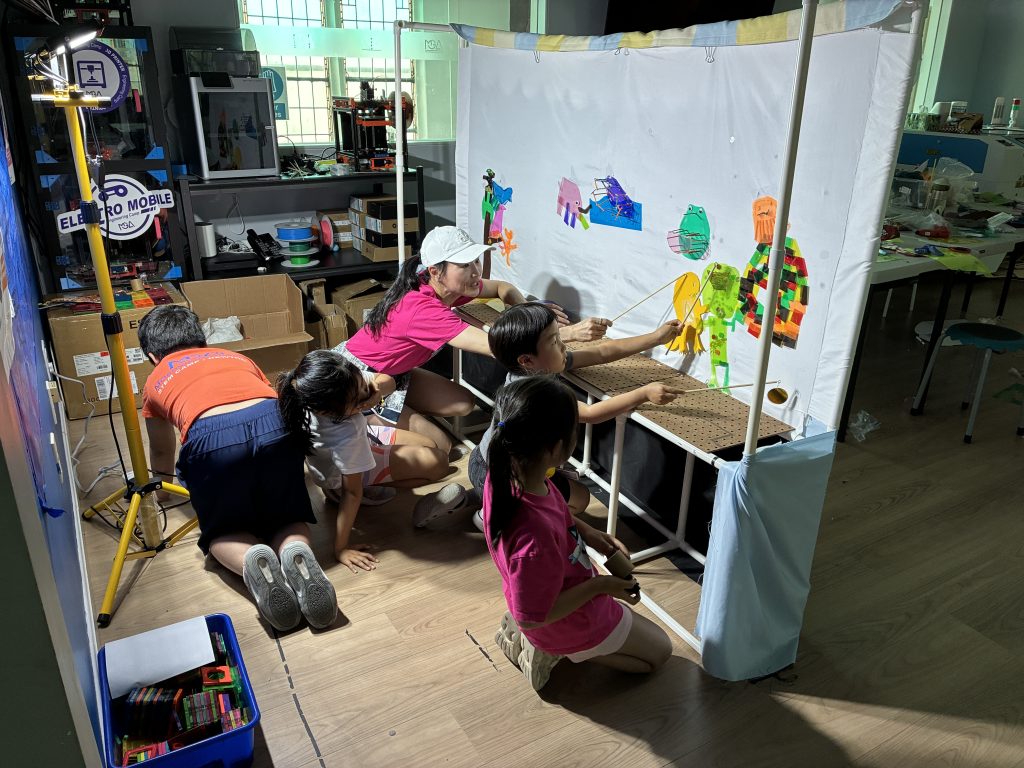
Starting with simple one-rod puppets, they gradually advanced to articulated puppets controlled by two rods. Through constant testing and revision, students discovered that movable joints must be separated and connected individually in order to create realistic motion.
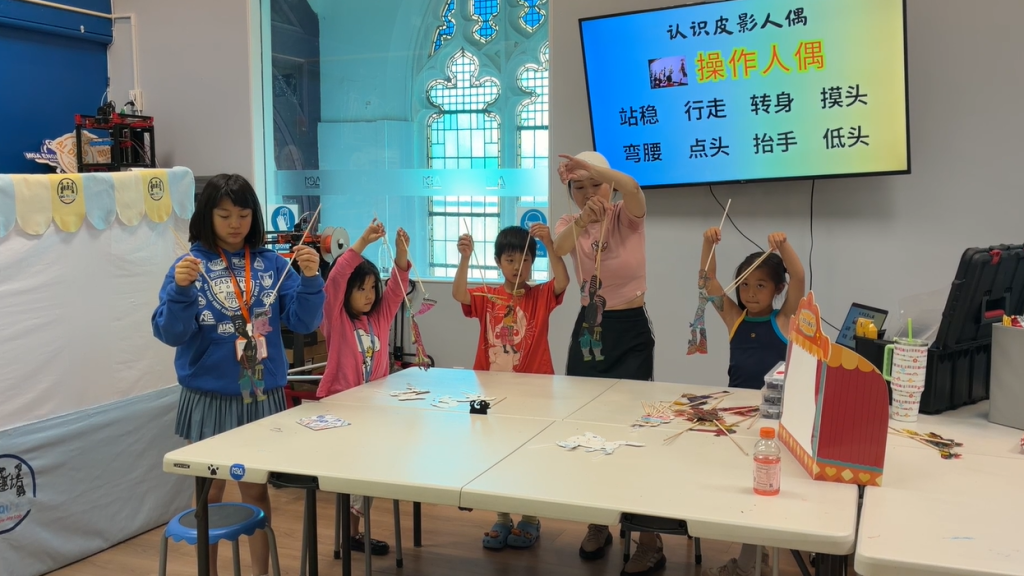
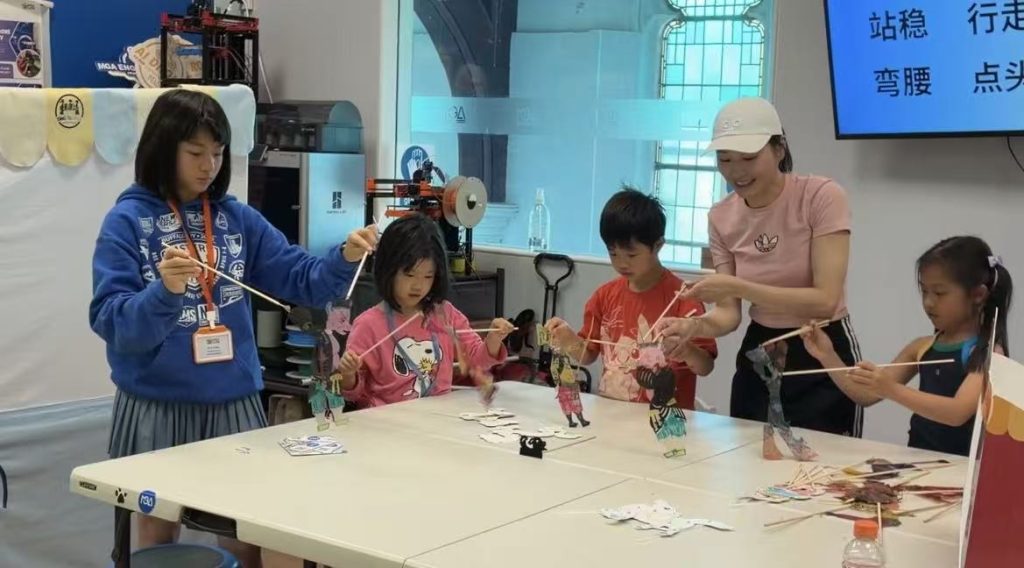
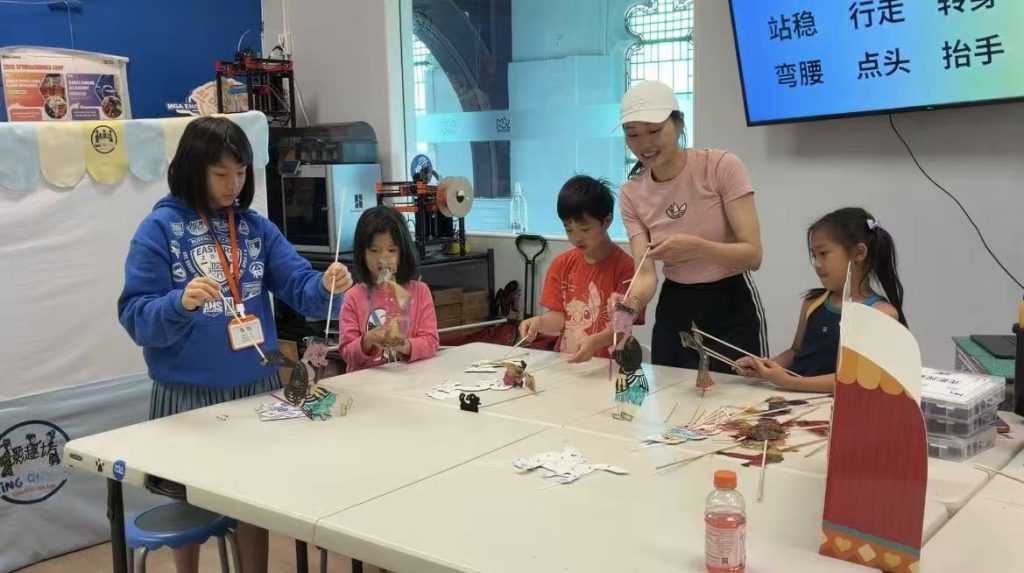
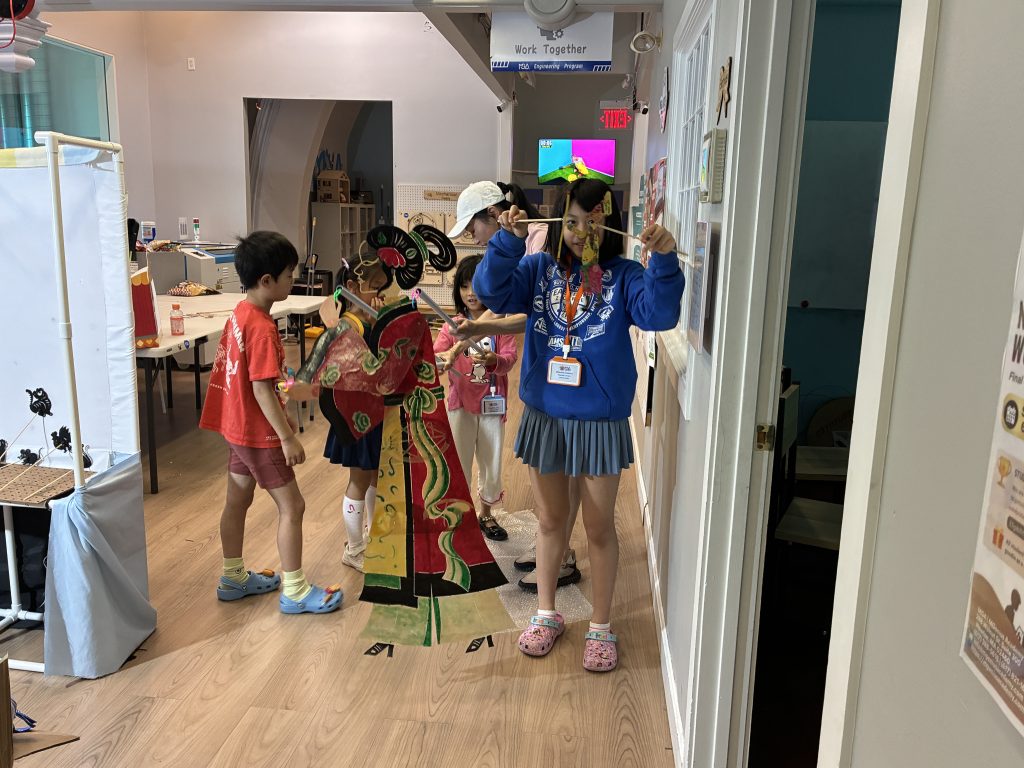
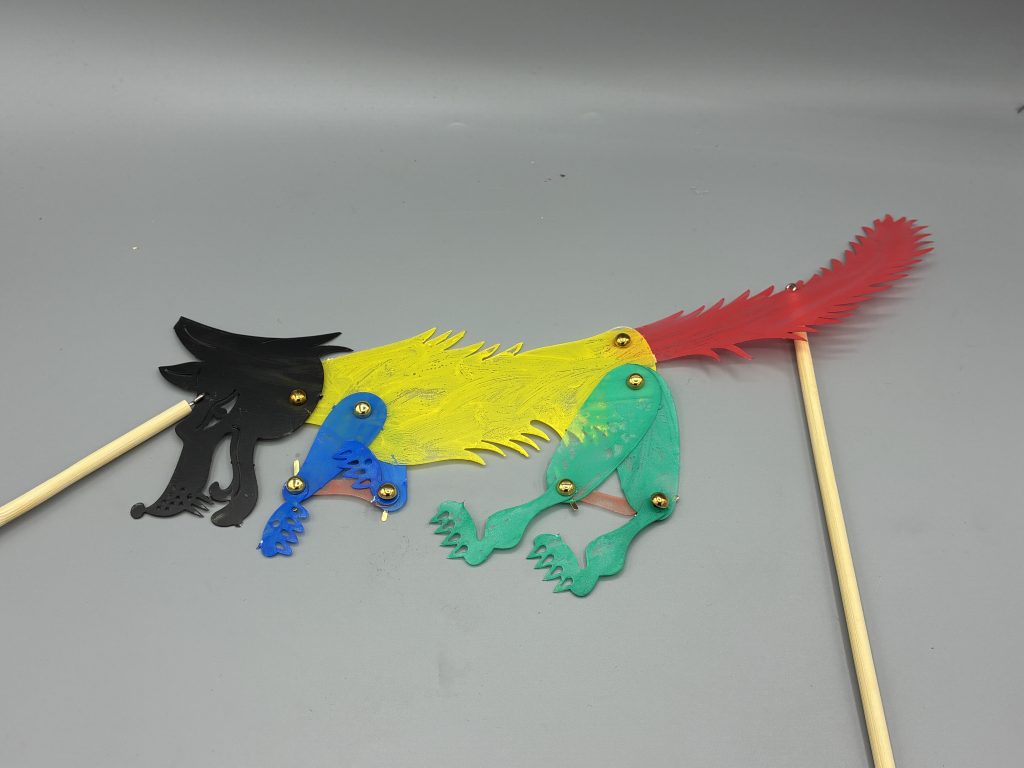
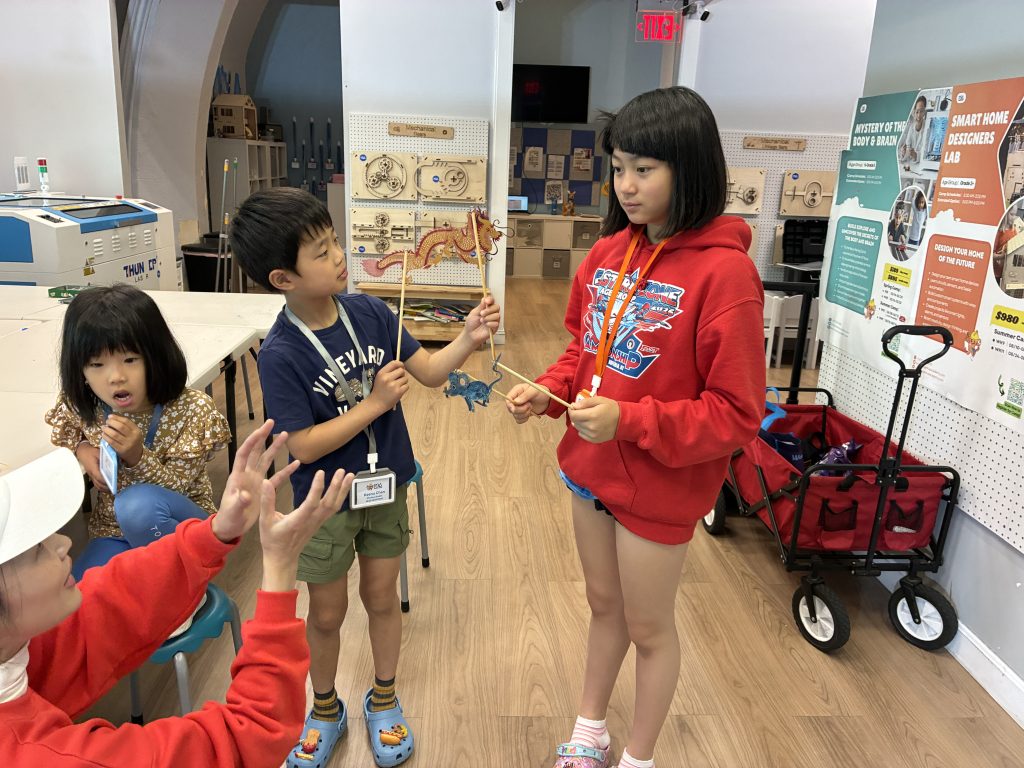
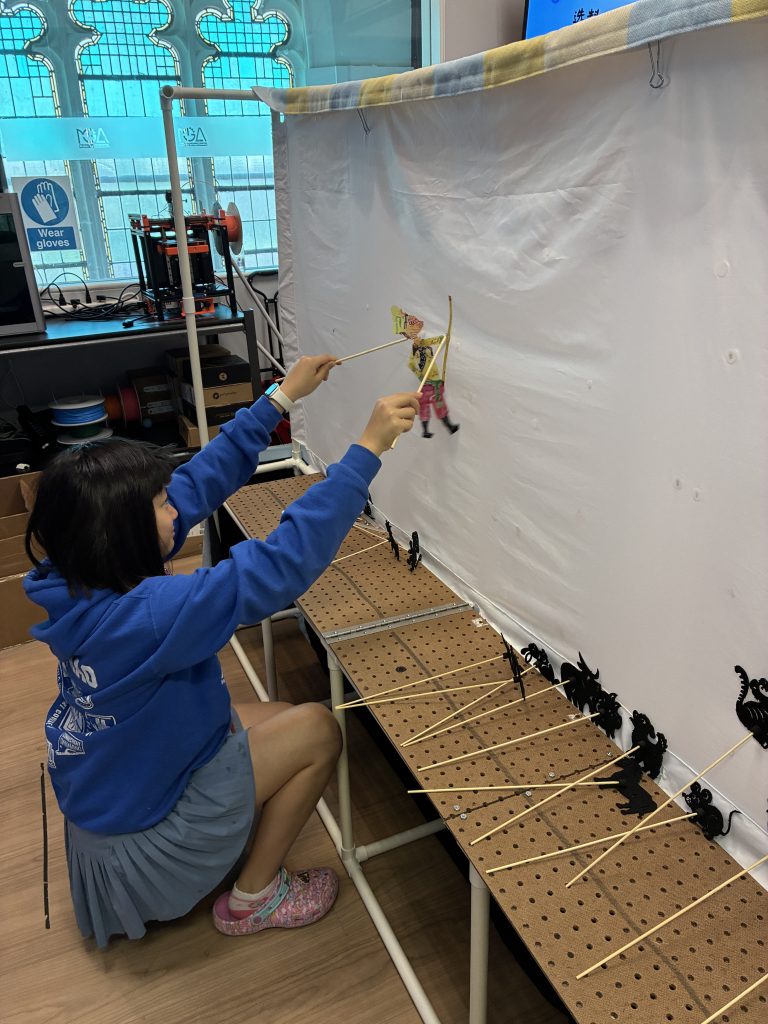
They experimented, observed, redesigned, and improved—thinking like real engineers throughout the entire process.
When the Classroom Became an Optical Laboratory
One of the week’s biggest surprises came from exploring light itself.
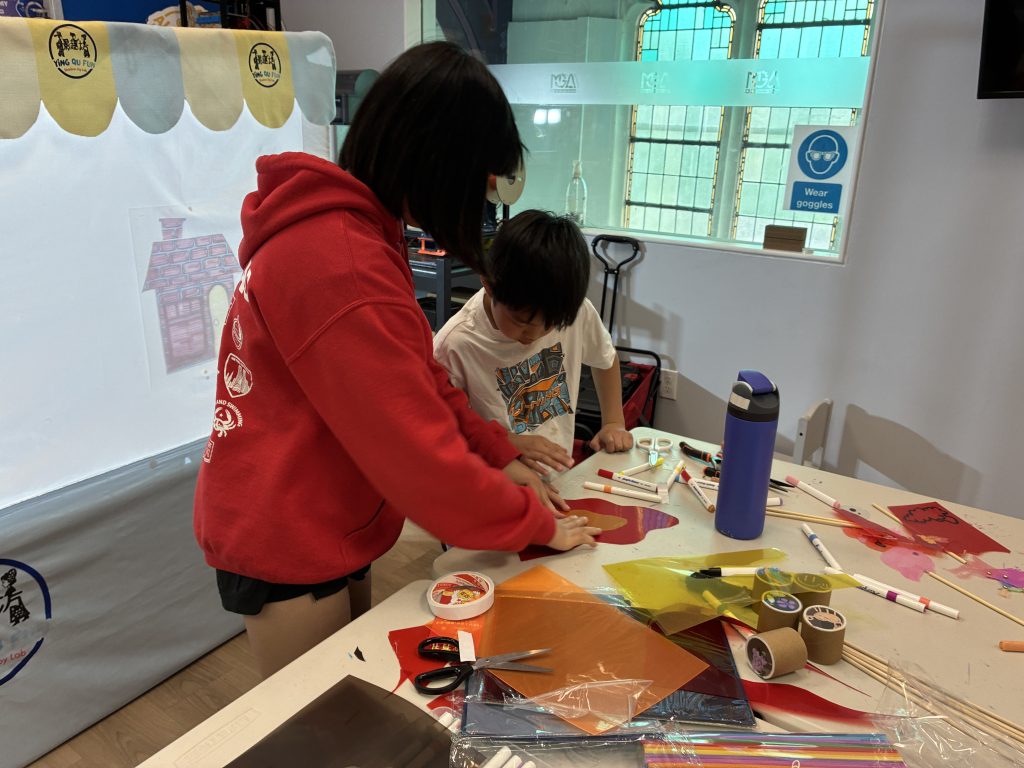
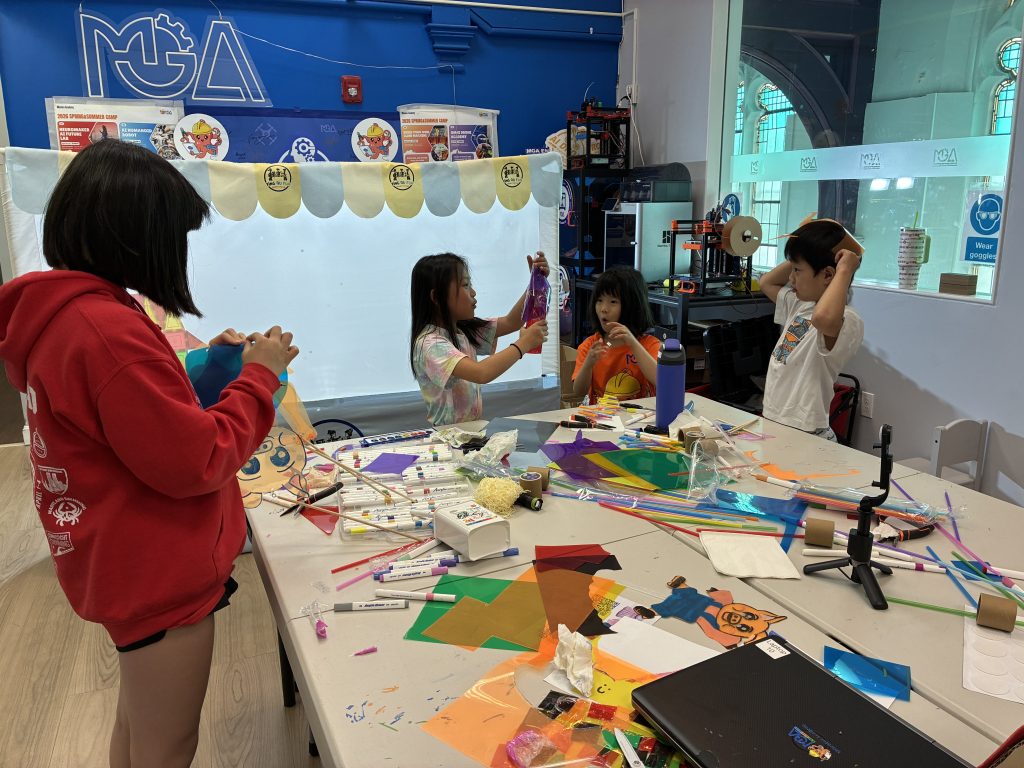
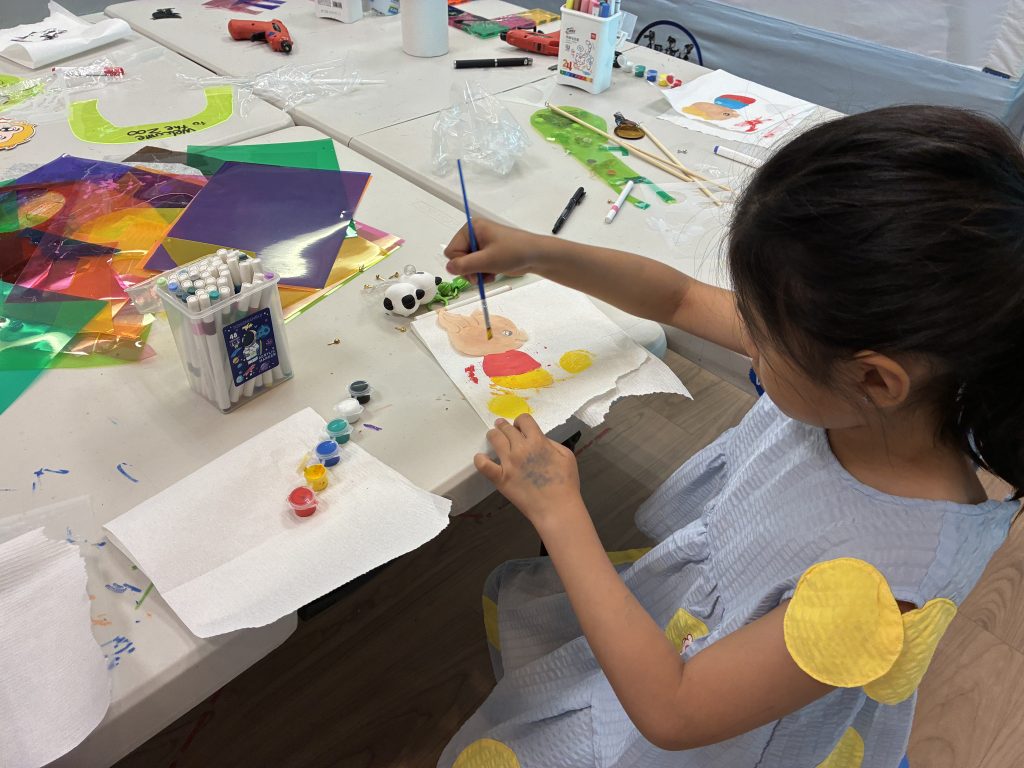
Students investigated the history of traditional shadow puppetry while experimenting with different transparent materials.
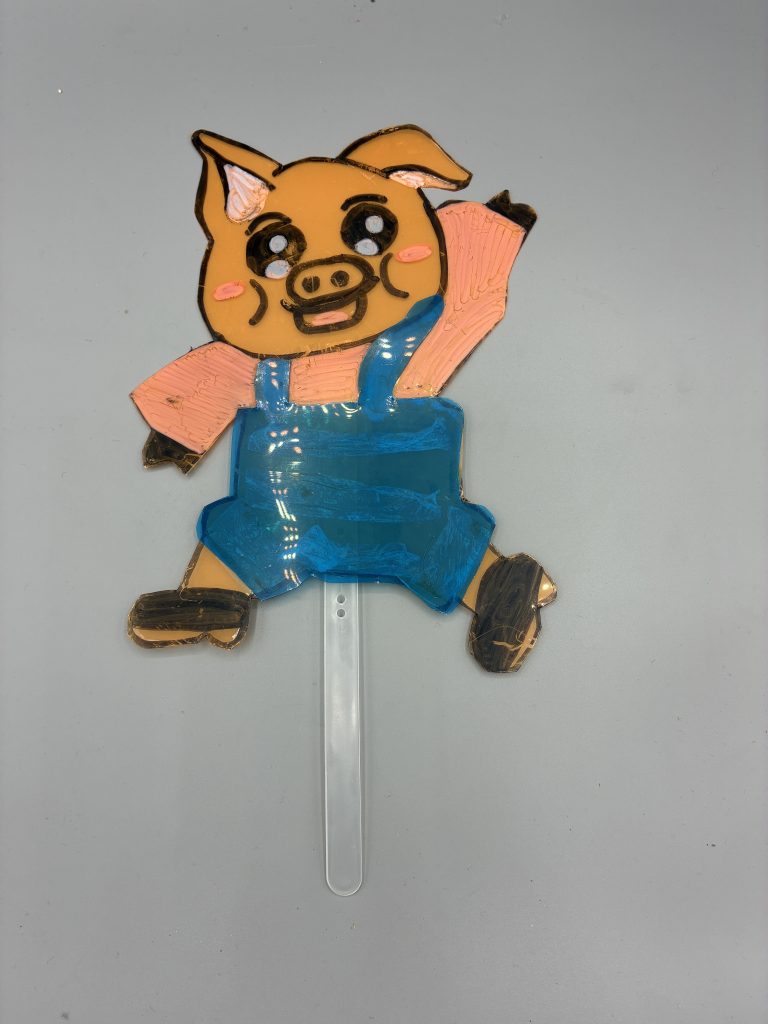
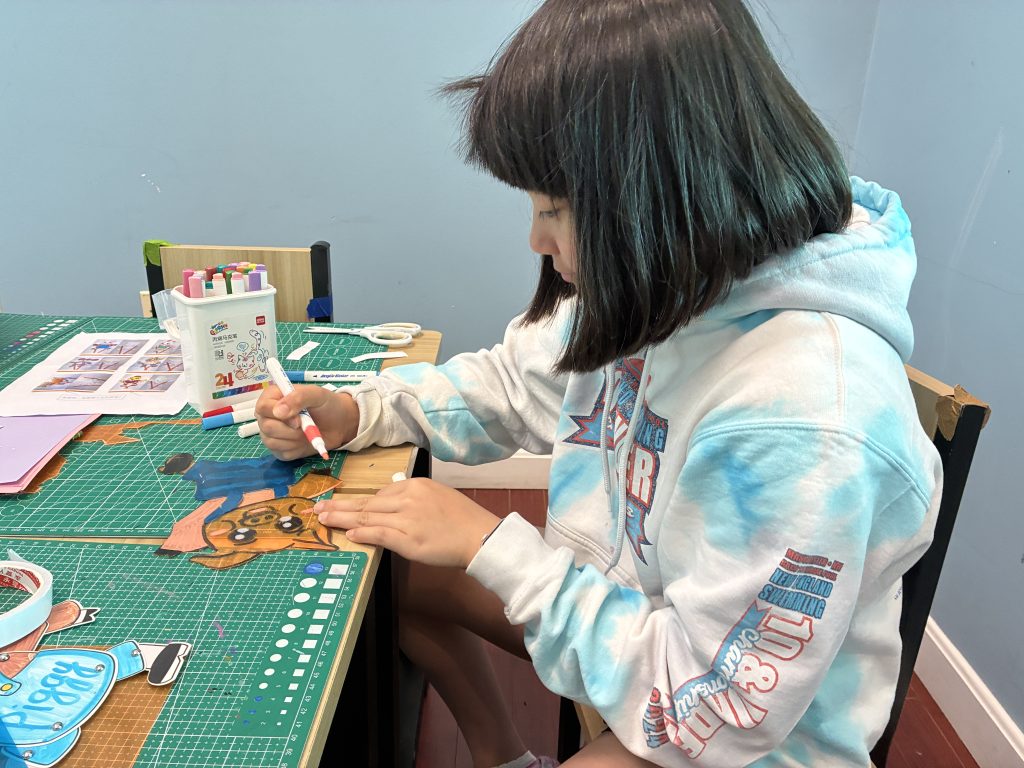
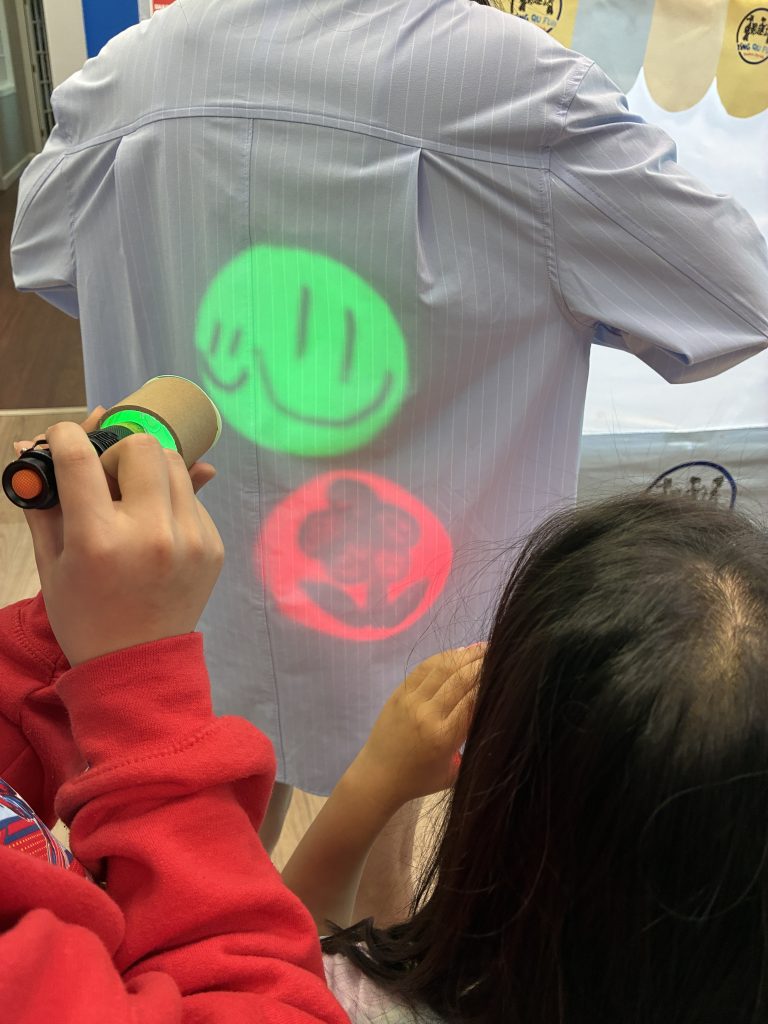
Could colored markers create vivid projected colors?
What if two colored transparent sheets were layered together?
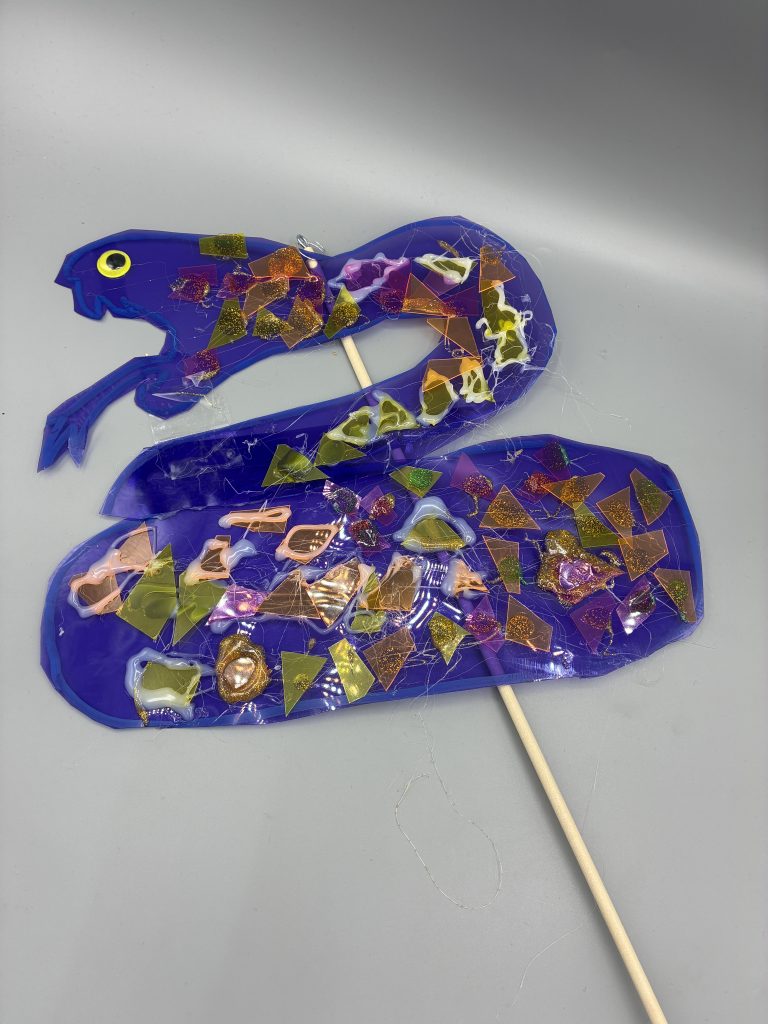
Would different color combinations produce entirely new effects?
There were no ready-made answers.
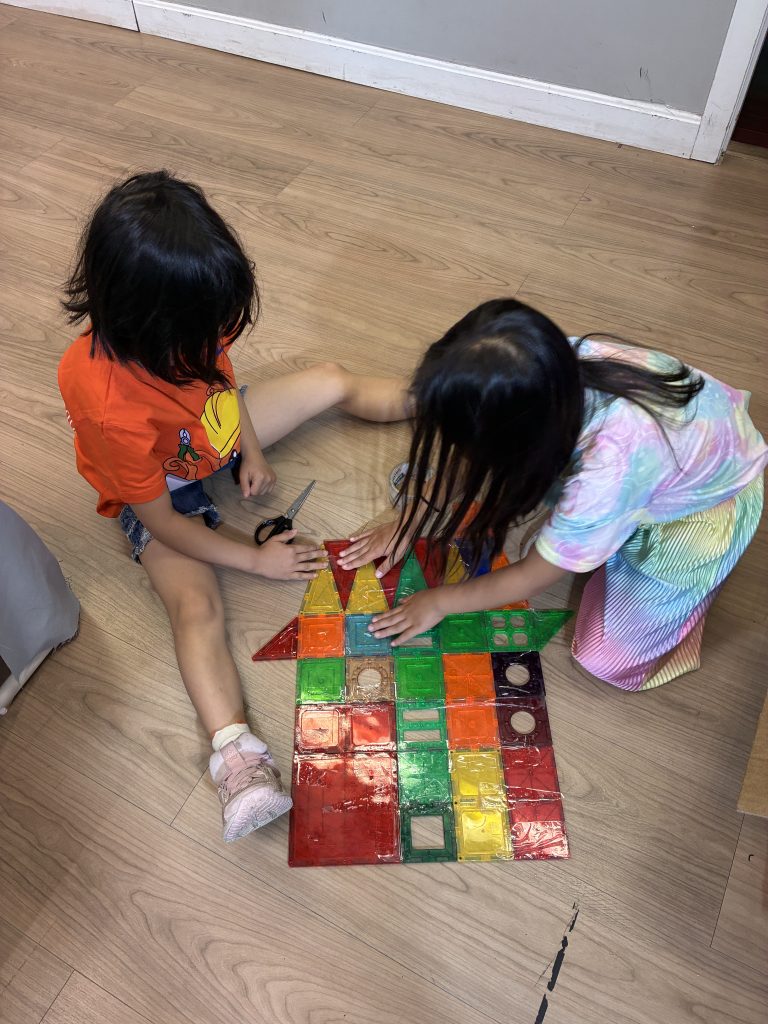
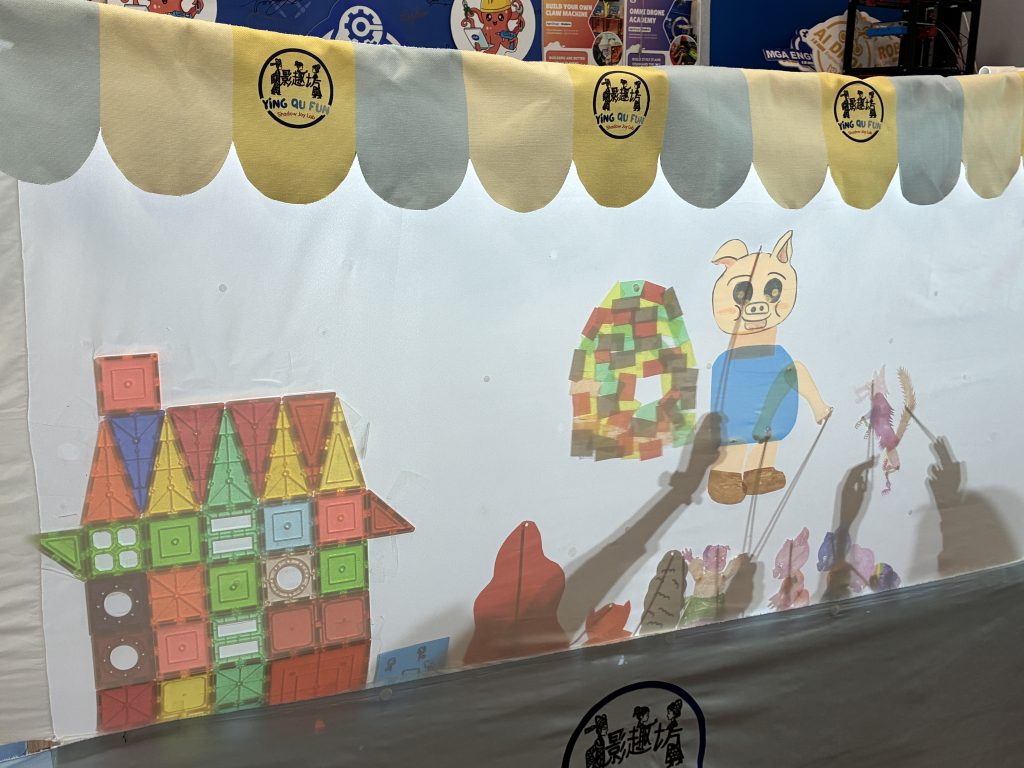
Instead, students repeatedly tested materials under the light, adjusted their designs, and projected them onto the screen again and again. Along the way, they discovered how transparency, color layering, and lighting all affect what appears on stage.
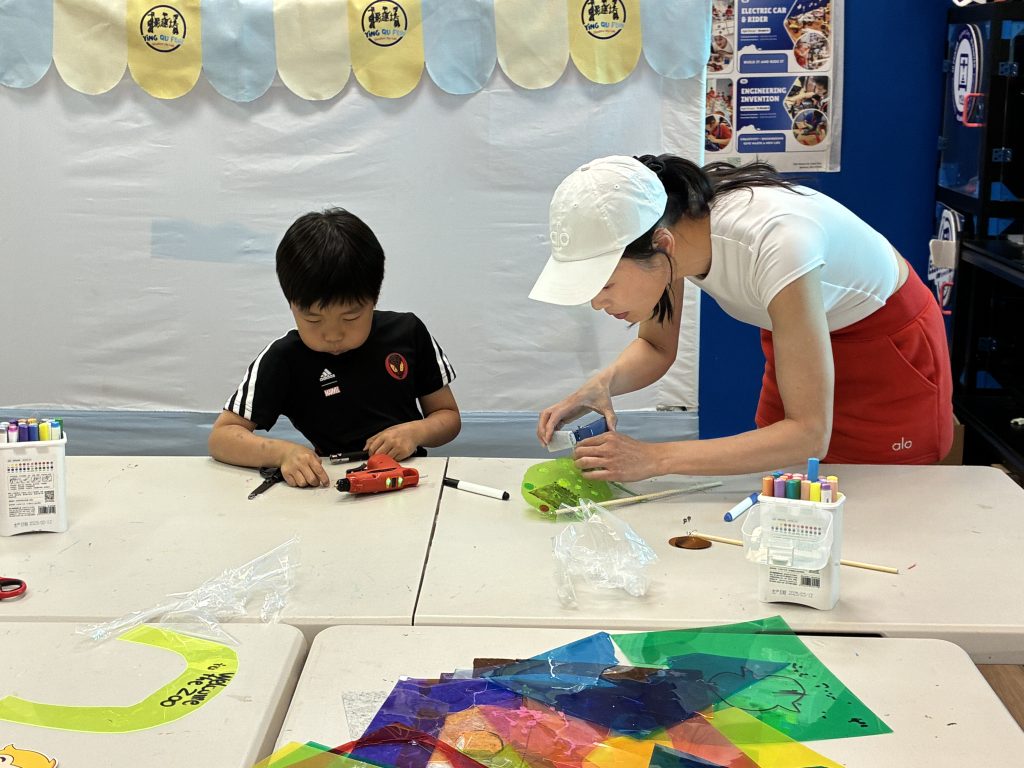
Science wasn’t something to memorize—it became something to experience.
Inspiration from Two Very Different Museums
Creativity didn’t stop inside the classroom.
During the first week, students visited the Isabella Stewart Gardner Museum, where they discovered that museums themselves tell stories. Rather than simply viewing artwork, they explored how exhibitions, spaces, and personal collections can shape the way stories are shared.
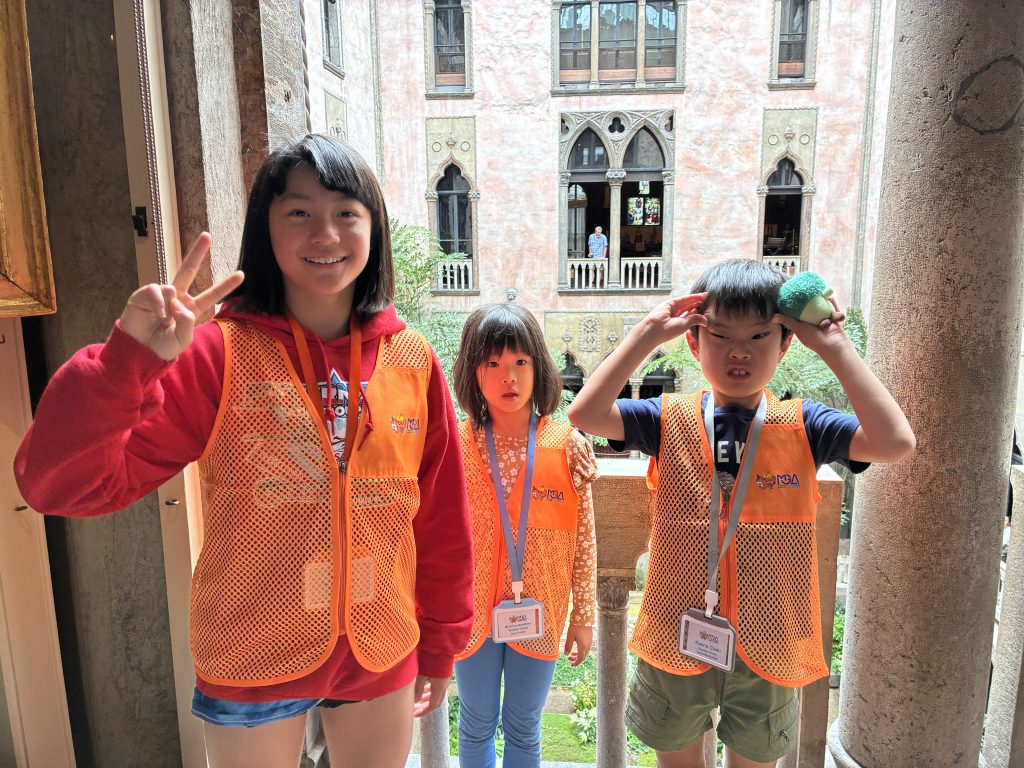
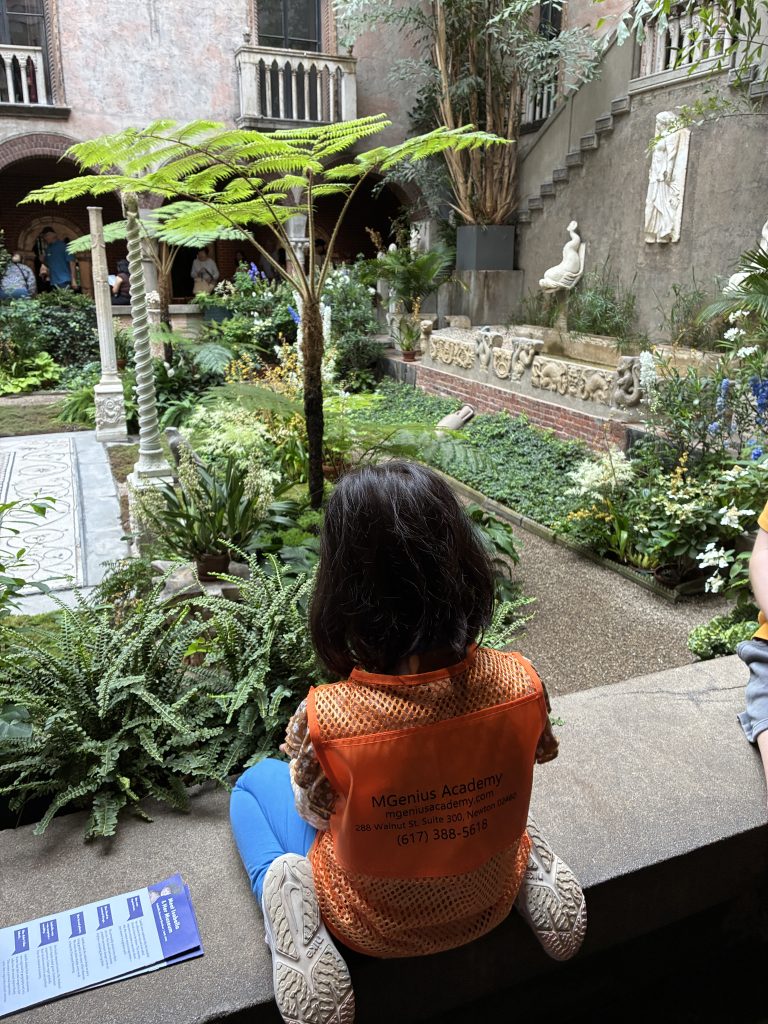
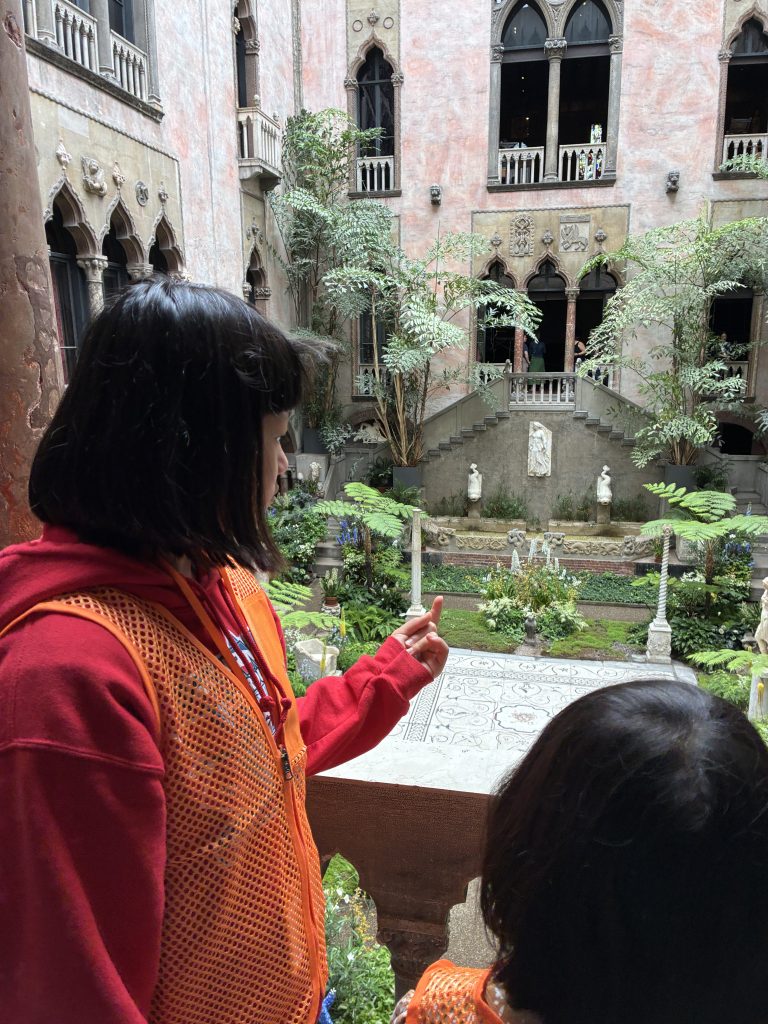
The following week, students visited the Museum of Science, where inspiration came from an entirely different direction. Through exhibits on light, space, and nature, students investigated reflection, refraction, and the behavior of light. Some created stories inspired by galaxies and the universe after visiting Cosmic Light, while others developed adventures featuring their favorite animals from the Natural Mysteries exhibit.
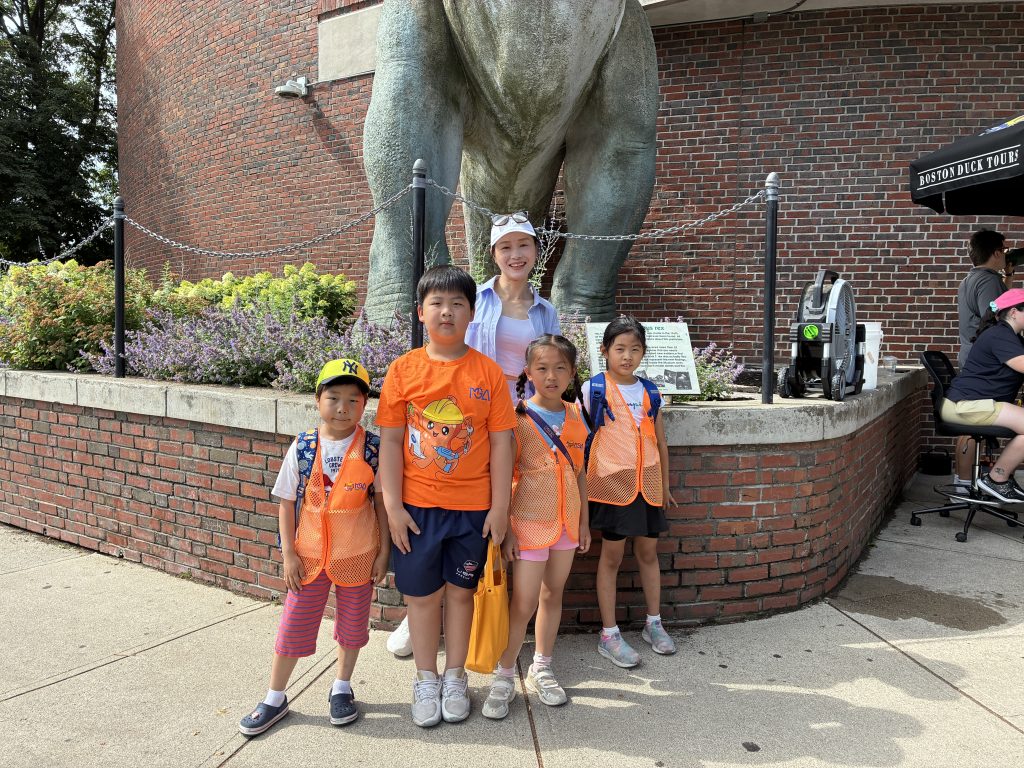
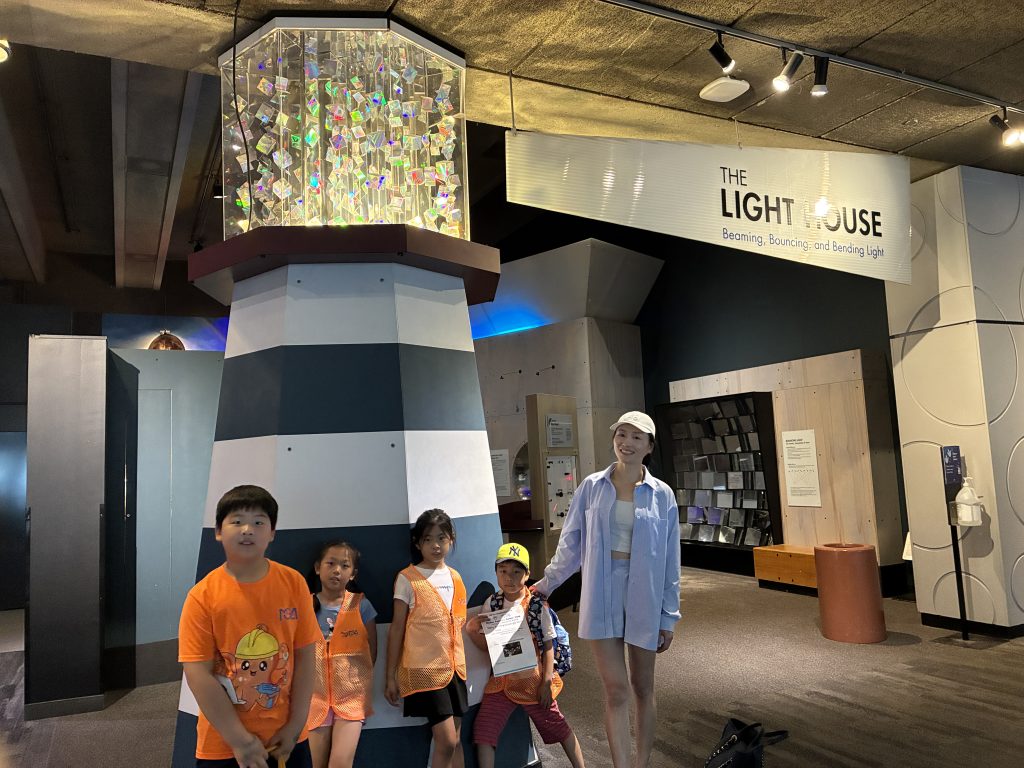
Each student was challenged to choose one exhibit that inspired them and create an original story around it. Some even stood at the front of a recreated historical classroom to confidently present their stories, while others practiced puppet manipulation throughout the museum.
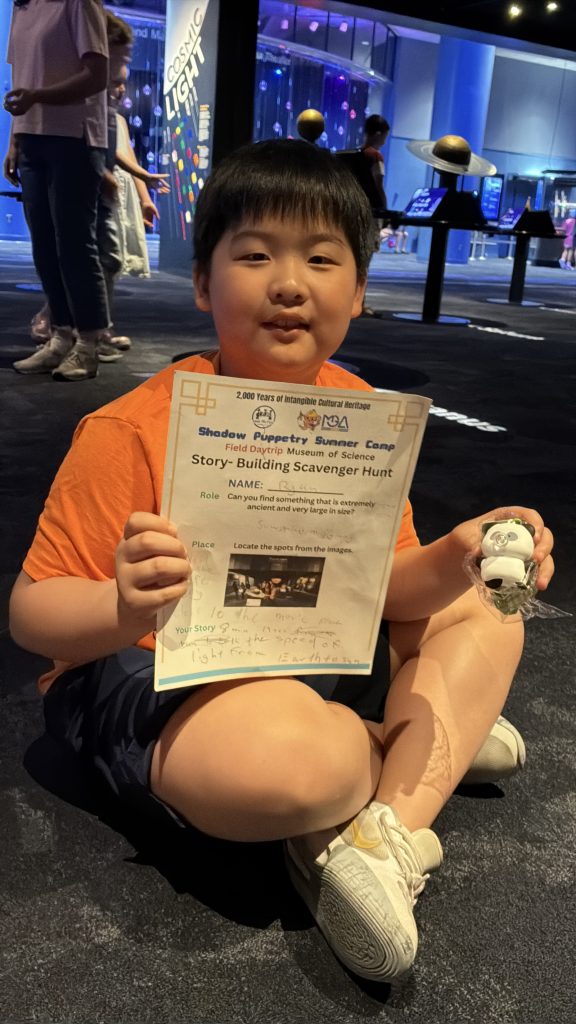
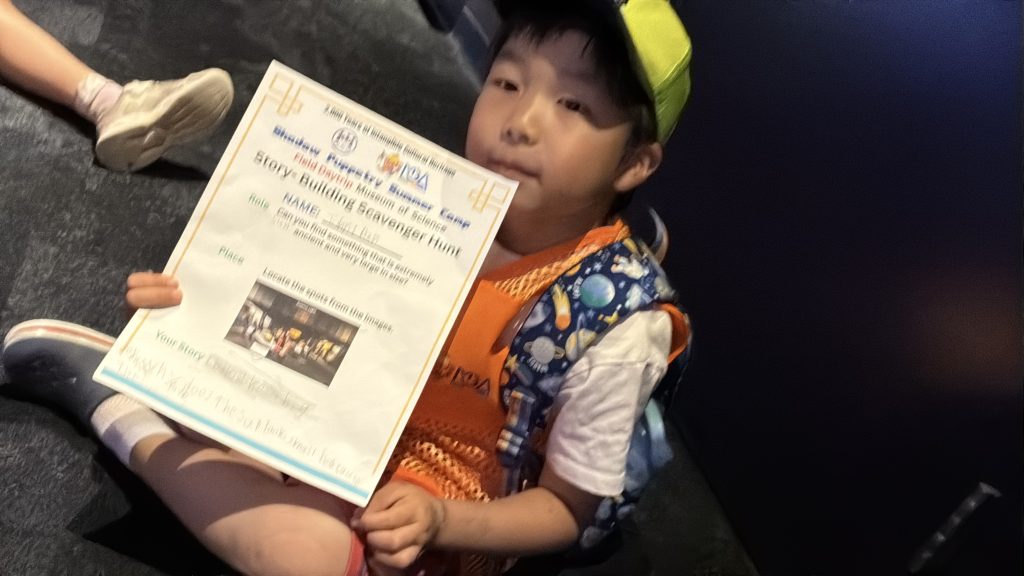
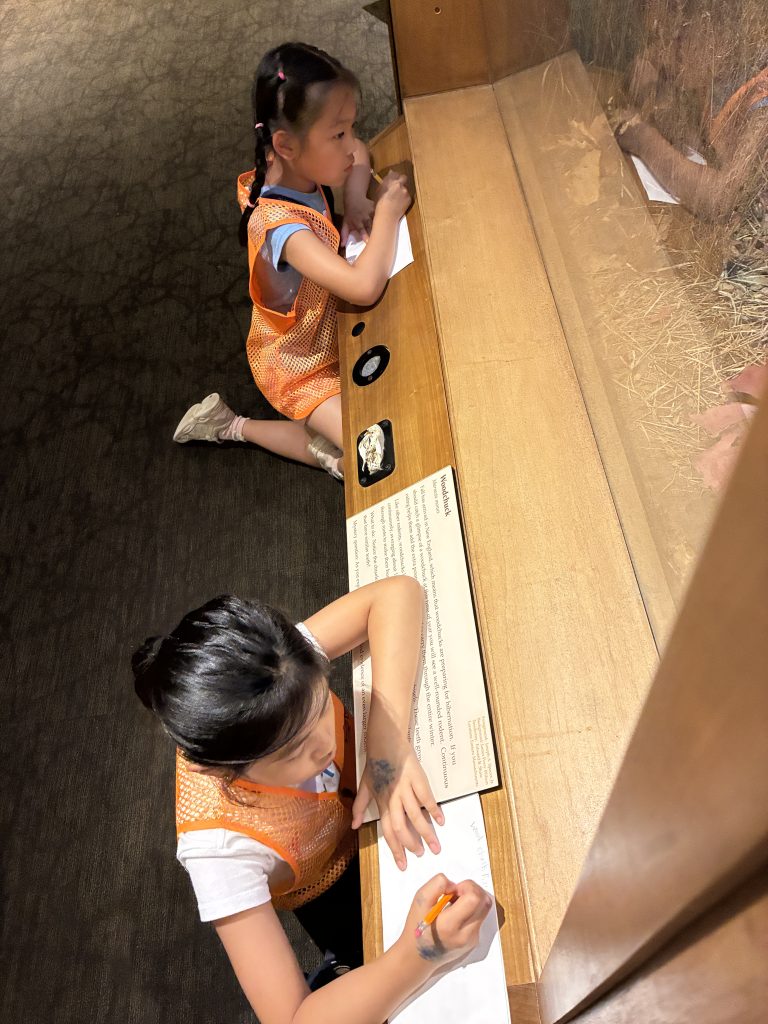
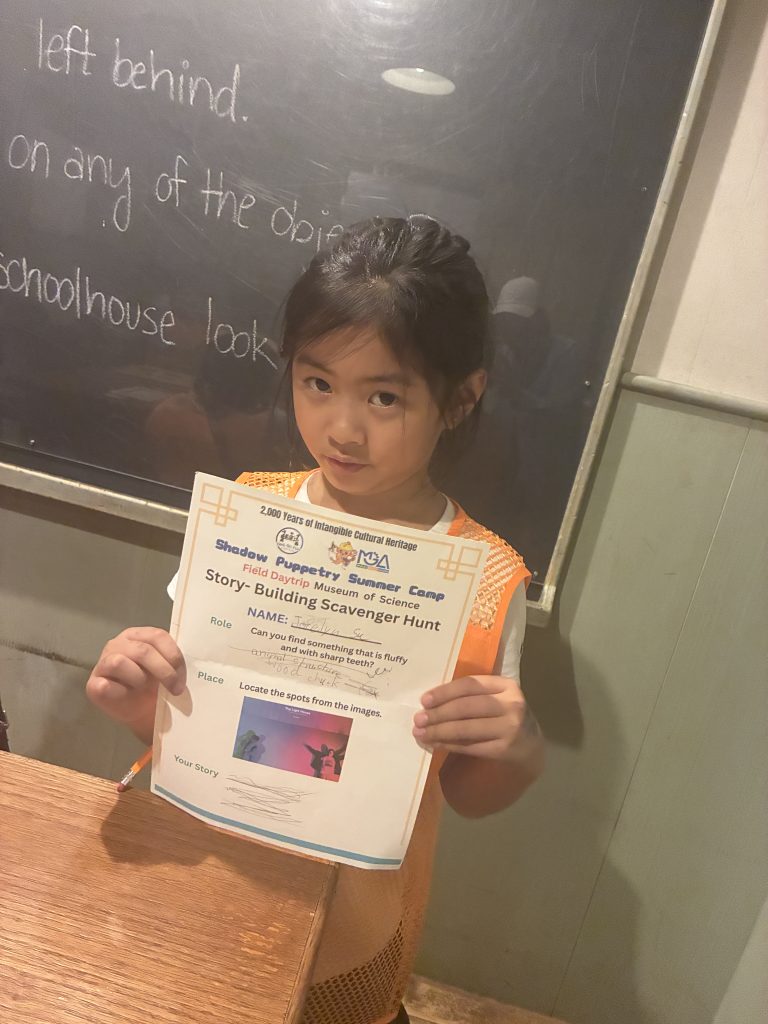
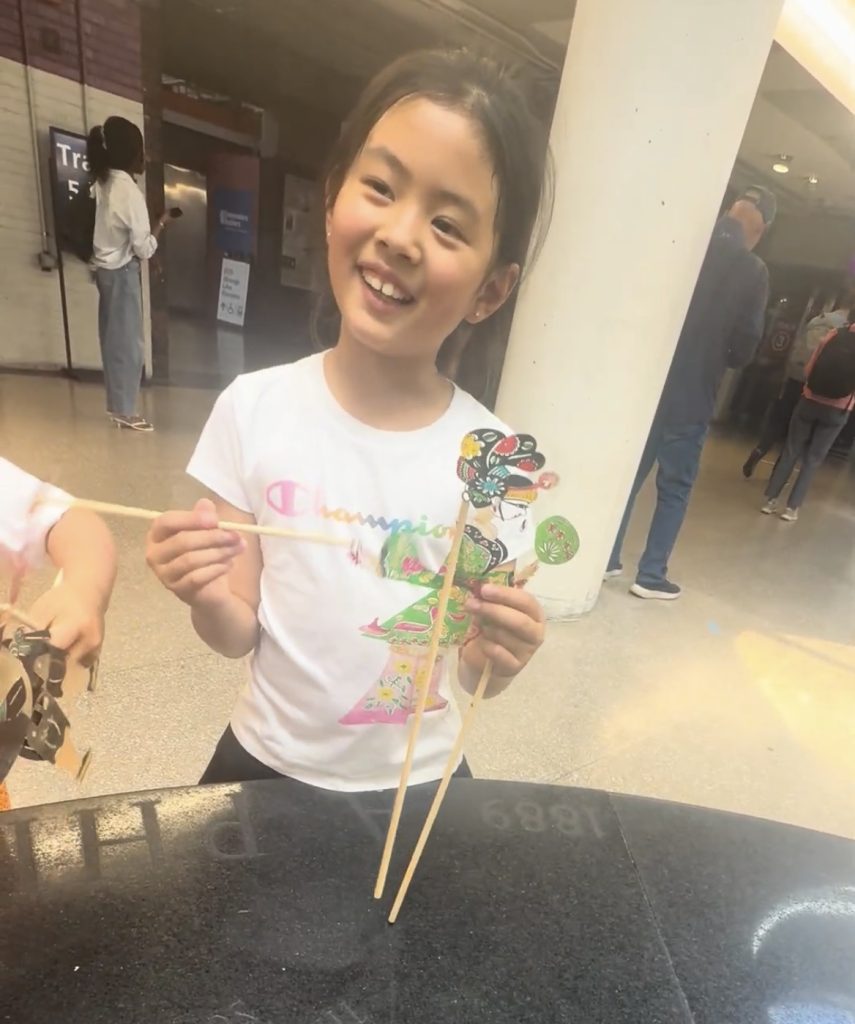
At that moment, art, science, and storytelling came together beautifully.
Bringing Science Onto the Stage
As performance day approached, students continued refining both their puppets and their theaters.
Some used lasers and transparent tape to create dramatic lightning effects. Others modified UFO models to change how light passed through them. Many adjusted lighting positions repeatedly to achieve the perfect shadow projection.
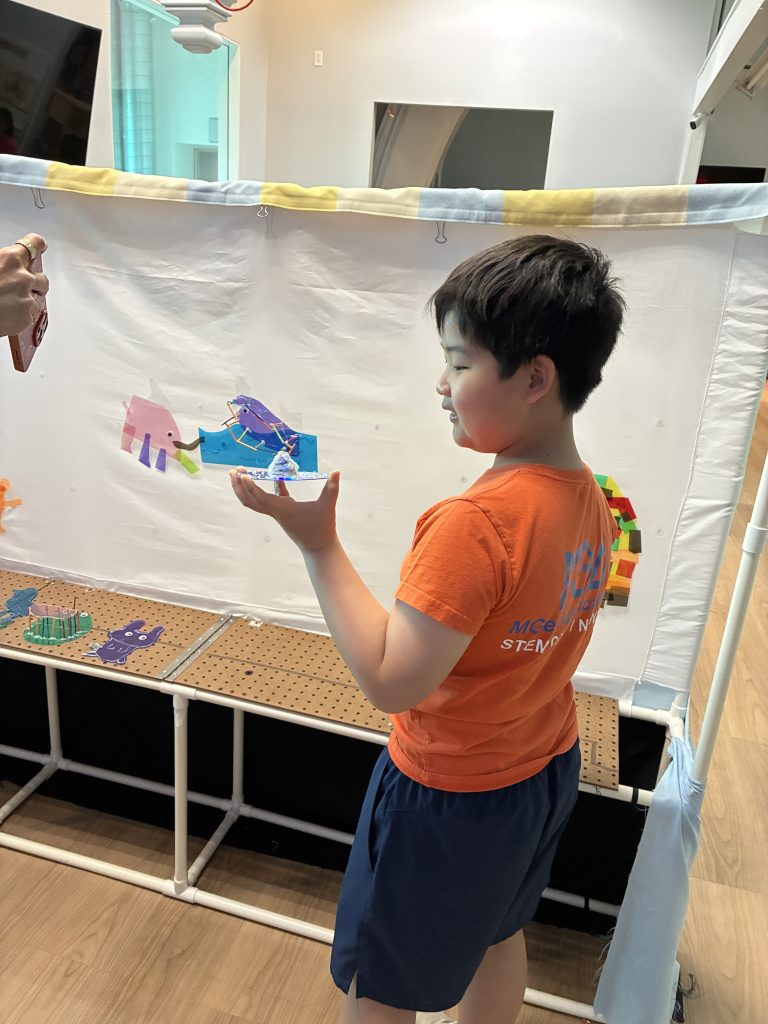
Without realizing it, students were applying concepts such as reflection, blocking, diffusion, and light transmission as they improved their productions.
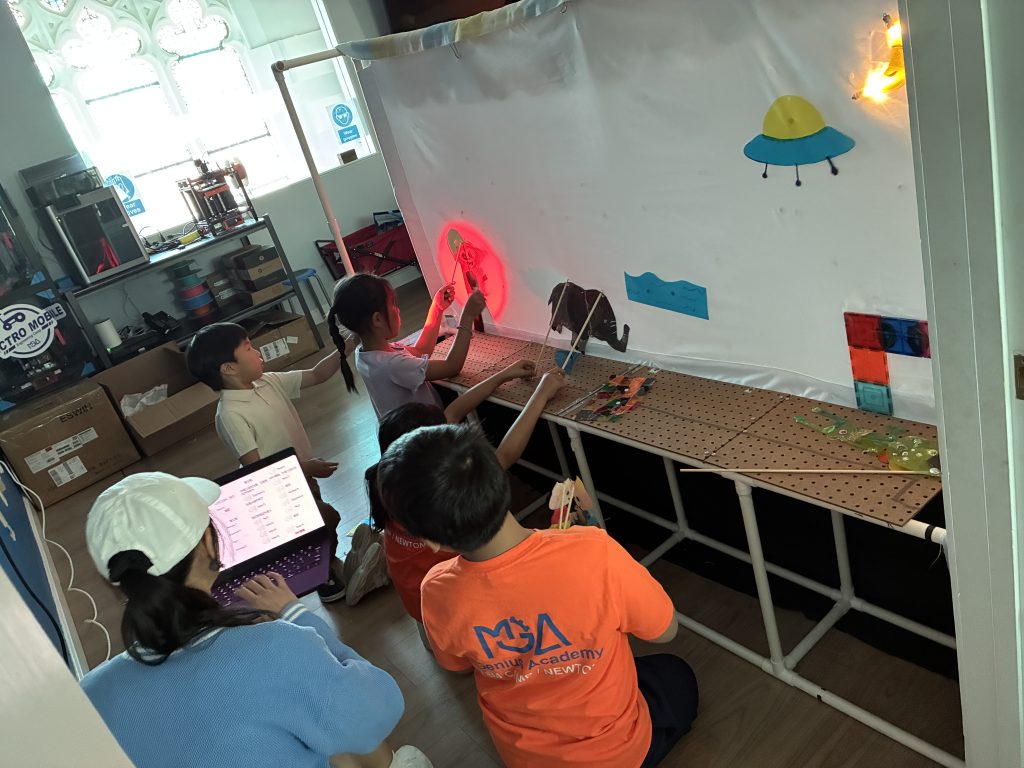
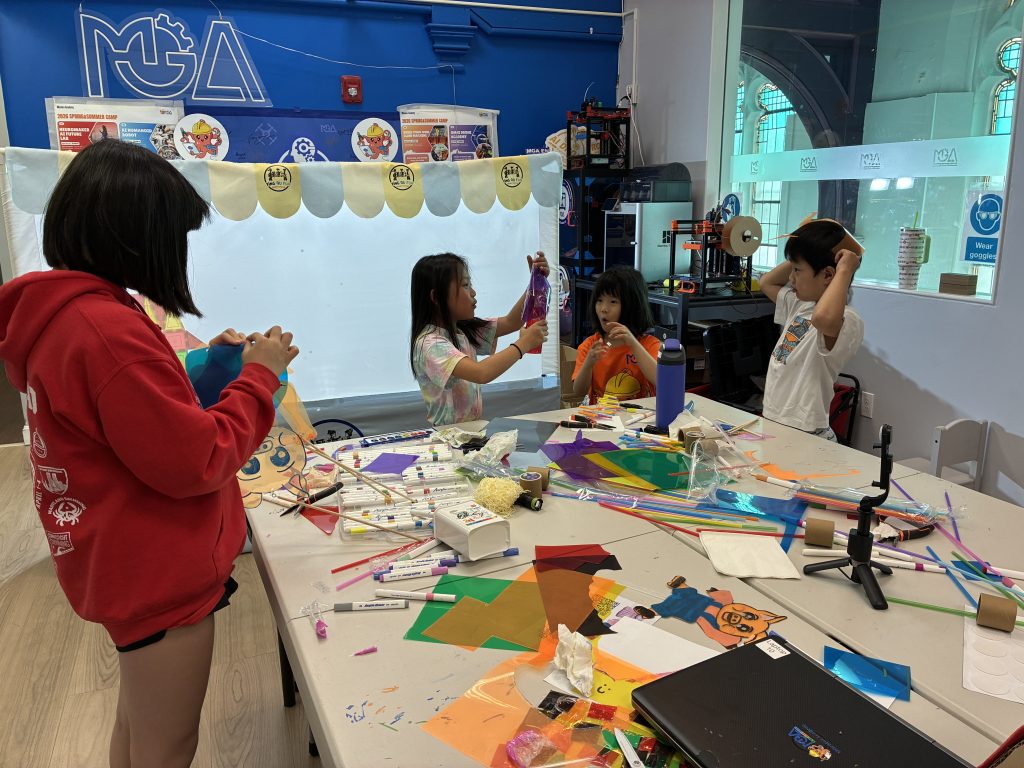
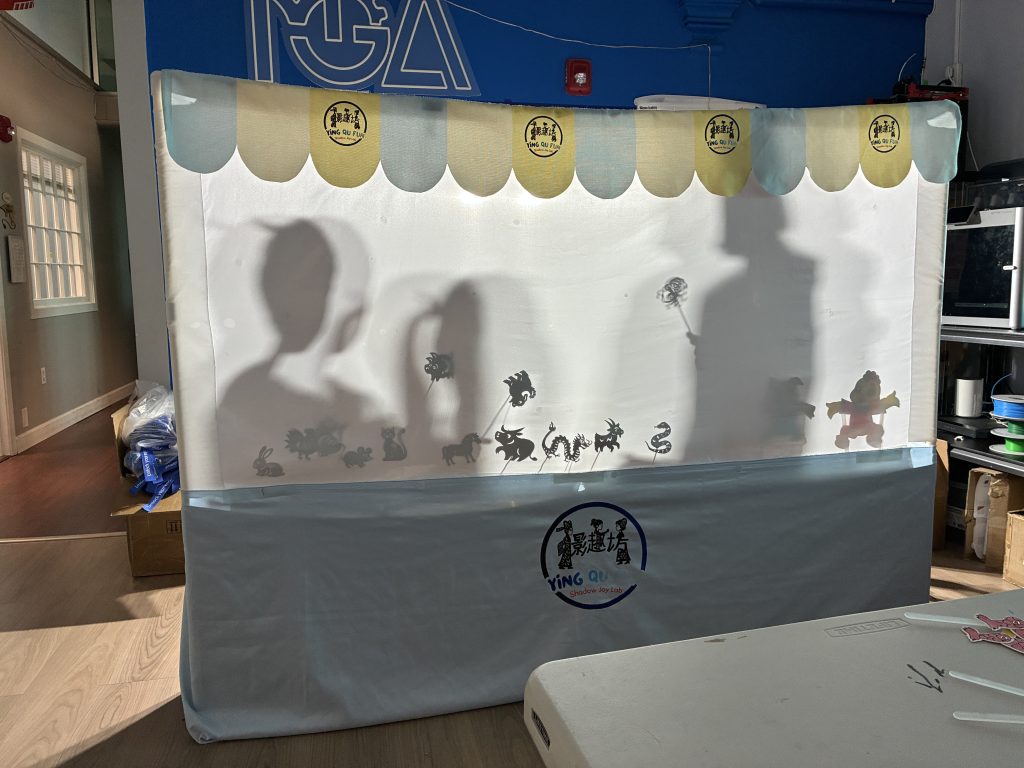
Learning happened naturally through creating, experimenting, and problem-solving.
Every Child Had a Chance to Shine
On the final day, the classroom transformed into a real theater.
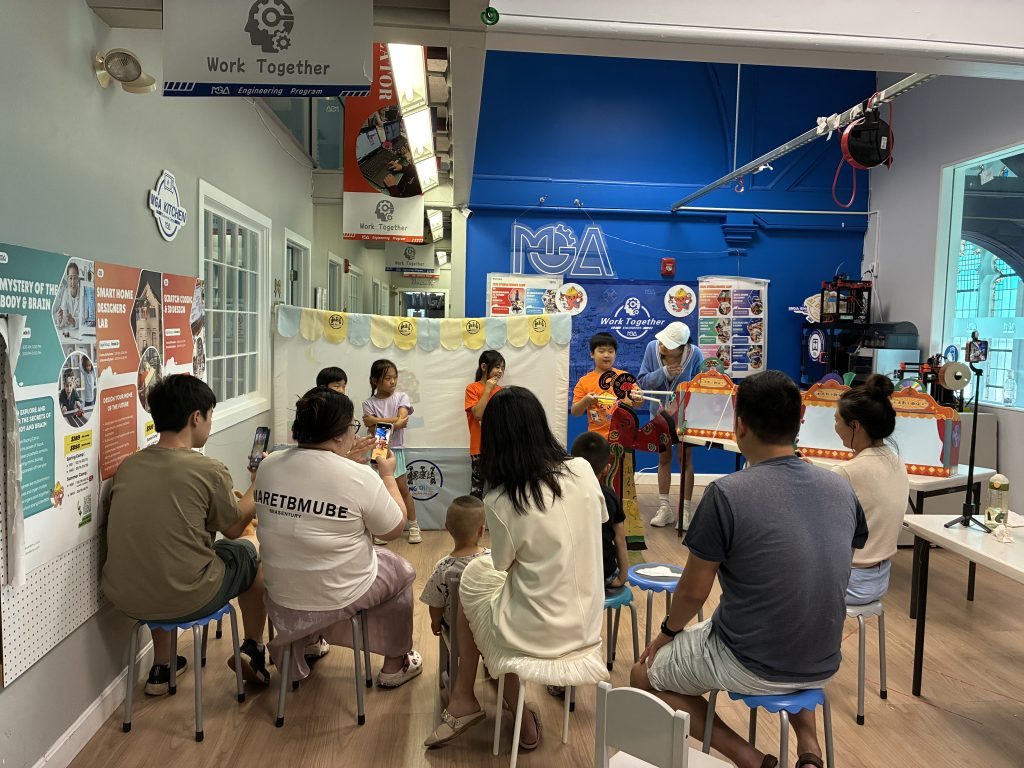
Students completed voice recordings, rehearsed together, arranged the stage, and even assigned seating for their parents before proudly presenting their original shadow puppet performances.
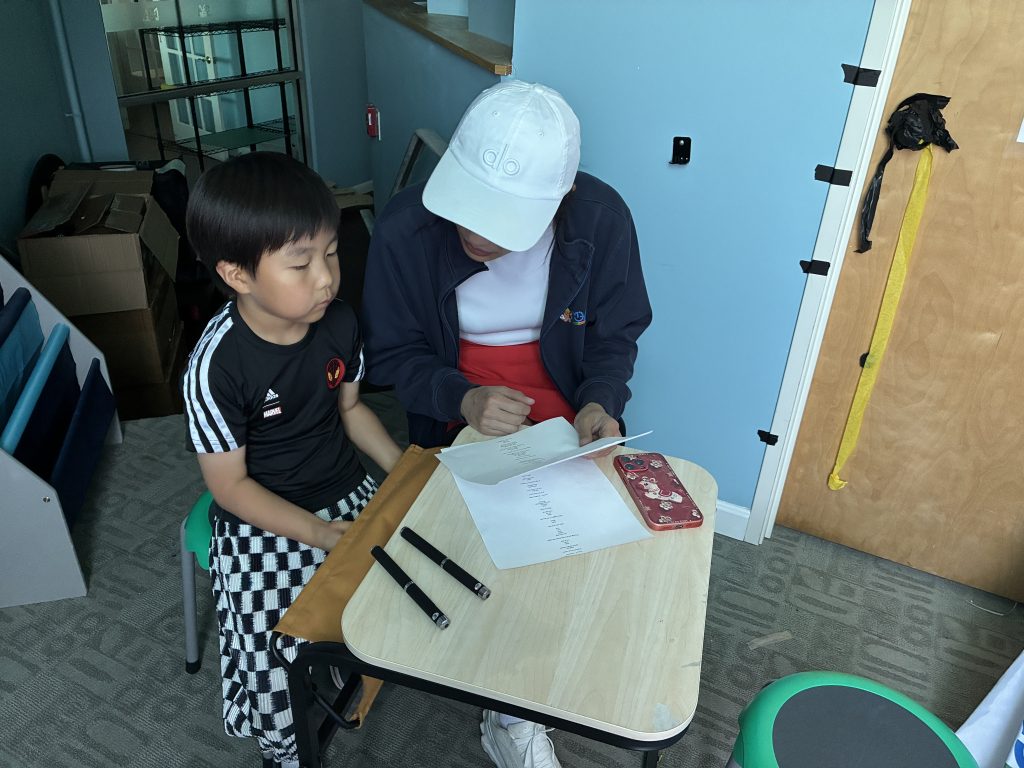
Over the course of the camp, they experienced far more than an art class.
They thought like engineers, continually improving their designs.
They explored like scientists, asking questions and testing ideas.
They created like artists and performed like storytellers.
When art meets science and creativity meets engineering, even a single beam of light can illuminate a child’s imagination.
A Heartwarming Parent Reflection
After the camp, one parent shared:
“This was kid’s first visit to the Isabella Stewart Gardner Museum. She came home excited to tell me everything she learned about the museum and its stories.”
“She has always loved performing, so she was fascinated by Ms. Shirley’s shadow puppet performances. After learning about the history and culture behind shadow puppetry, she became so interested that she spent her break watching documentaries to learn even more.”
The greatest success isn’t simply what children remember.
It’s seeing them continue exploring long after class has ended.
That’s how genuine curiosity grows.
Why Do We Continue Sharing Shadow Puppetry?
This summer’s two Shadow Studio camps also marked Ms. Shirley’s 50th community outreach performance.
After performing in schools, museums, libraries, and community events, people often ask her:
“Why do you continue doing shadow puppetry?”
Her answer is always simple:
We hope children can build a meaningful connection with their own culture.
We hope one day they will feel proud of where they come from.
We hope these small experiences help them become more confident, more courageous, and more willing to express themselves.
One day, we hope they will stand proudly before an audience, introduce their own shadow puppets, and share the stories and traditions behind this beautiful Chinese art form.
When that day comes, the light in their eyes will shine even brighter than the lights on the stage.
The Story Doesn’t End Here…
For many of our students, Shadow Studio is only the beginning.
Several campers will soon bring their original shadow puppet performances to the community through public performances at:
- 🏛 Boston Children’s Museum
- 📚 Wellesley Library
- 📚 Brookline Village Library
- 📚 Coolidge Corner Library
- 📚 Putterham Library
From the classroom to the community.
From behind the screen to a real public stage.
These children aren’t simply performing a shadow puppet show.
They are sharing their own stories while introducing audiences to the beauty of traditional Chinese culture.
We can’t wait to see them shine on stage once again.