EP5 Classroom: From a Bluetooth Speaker to a Personal Blog — Learning Like Real Engineers
In MGA’s EP5 classroom, students have just completed their very own Bluetooth speaker projects.But for them, learning did not end when the project was finished. Because at MGA, we believe students should not only learn how to build something — they should also learn how … Continue readingEP5 Classroom: From a Bluetooth Speaker to a Personal Blog — Learning Like Real Engineers
In MGA’s EP5 classroom, students have just completed their very own Bluetooth speaker projects.
But for them, learning did not end when the project was finished.
Because at MGA, we believe students should not only learn how to build something — they should also learn how to explain it.
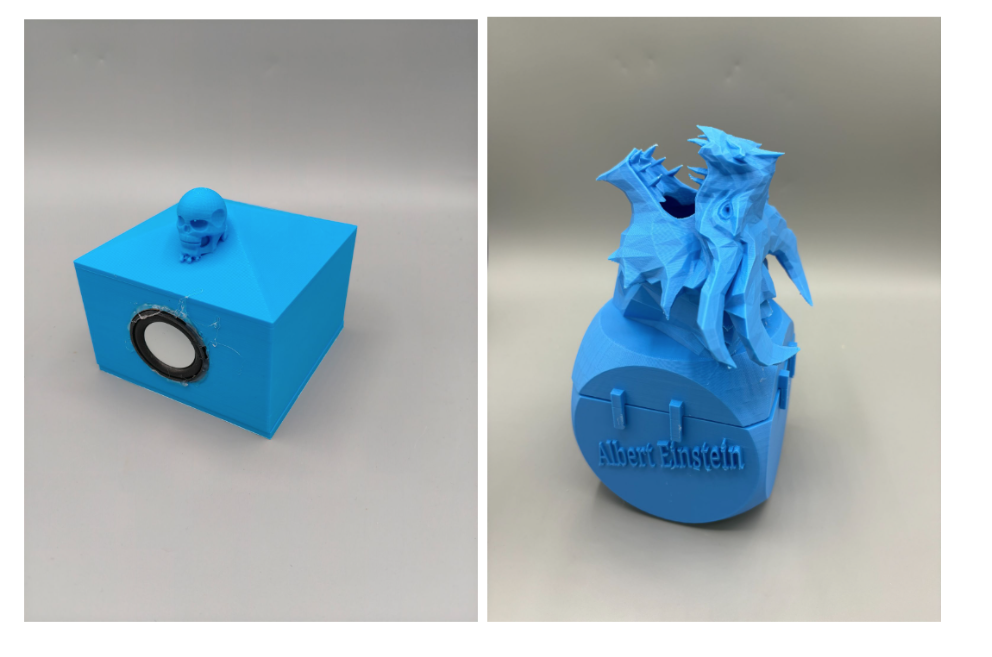
This time, students not only created Bluetooth speakers that can connect to phones and play music, but also began building their own Project Blogs to document the entire development process through writing and images.
From soldering circuits, to designing the outer case, to final assembly, every step was carefully recorded.
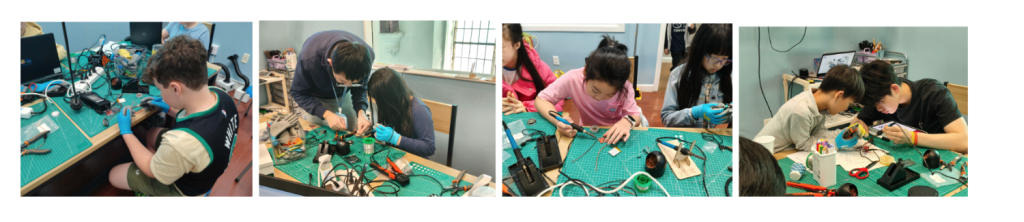
At the beginning of the project, students first learned about the names and functions of different electronic components, including:
- Bluetooth decoding boards
- Amplifier boards
- Battery charging modules
- Speaker and knob control modules
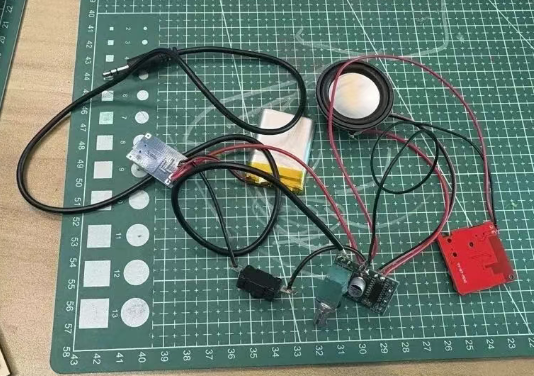
They then connected all the electronic components together through extensive soldering work to create a fully functioning circuit.
As one student wrote in their blog:
“Ninety per cent of the project was probably soldering all the wires to the speaker and boards!”
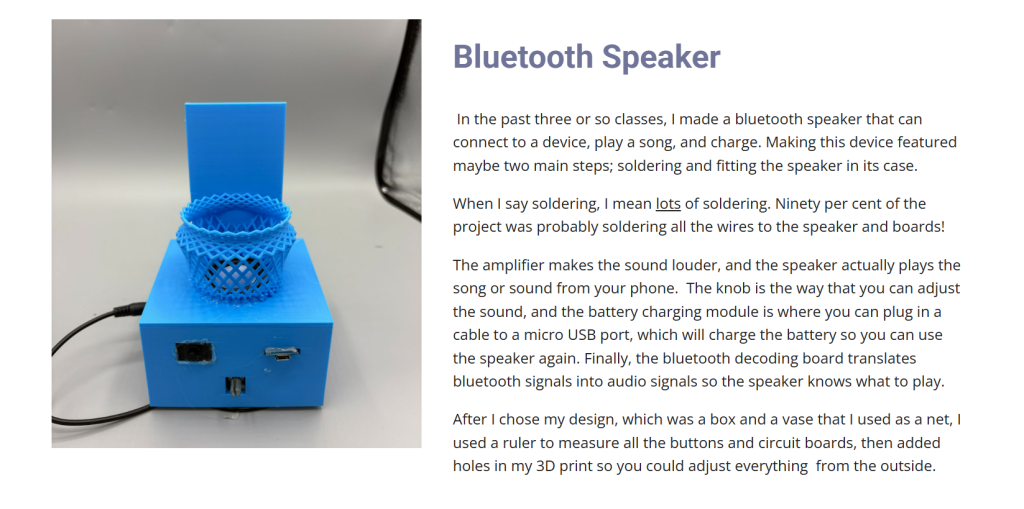
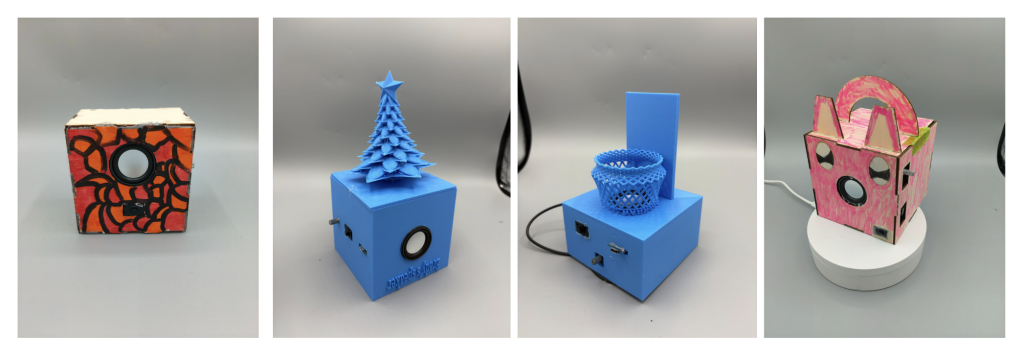
After completing the circuit, students used 3D printing or laser cutting technology to design personalized cases for their Bluetooth speakers. They measured dimensions, planned openings for buttons and ports, and continuously adjusted their designs throughout the process.
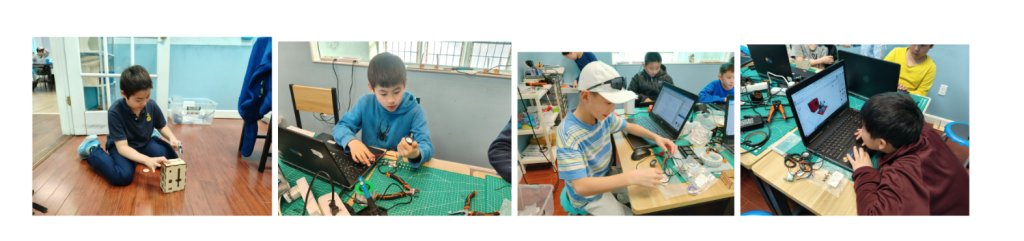
Finally, students organized the entire project into their own online portfolio — a Project Blog.
It not only showcases the final product, but also documents their thinking process, challenges, and problem-solving journey.
This reflects MGA’s long-standing educational philosophy:
Hands-on + Critical Thinking + Communication
In the real world, engineers do far more than simply “make things work.”
They also document processes, explain concepts, present designs, and communicate ideas clearly.
At MGA, we want students to begin practicing these skills from an early age.
When a child can confidently say:
“This is the Bluetooth speaker I made, and this is my project website.”
that moment represents far more than just completing a STEM project.