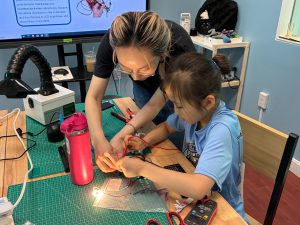
EP4 Classroom: Designing a Knob-Controlled Lamp and Discovering How Electricity Works
In MGA’s EP4 classroom, students begin exploring the world of electronic engineering. This time, their challenge is to design and build their own knob-controlled desk lamp. But at MGA, building a lamp is never just about assembling parts. Students begin by asking questions like: Why … Continue readingEP4 Classroom: Designing a Knob-Controlled Lamp and Discovering How Electricity Works
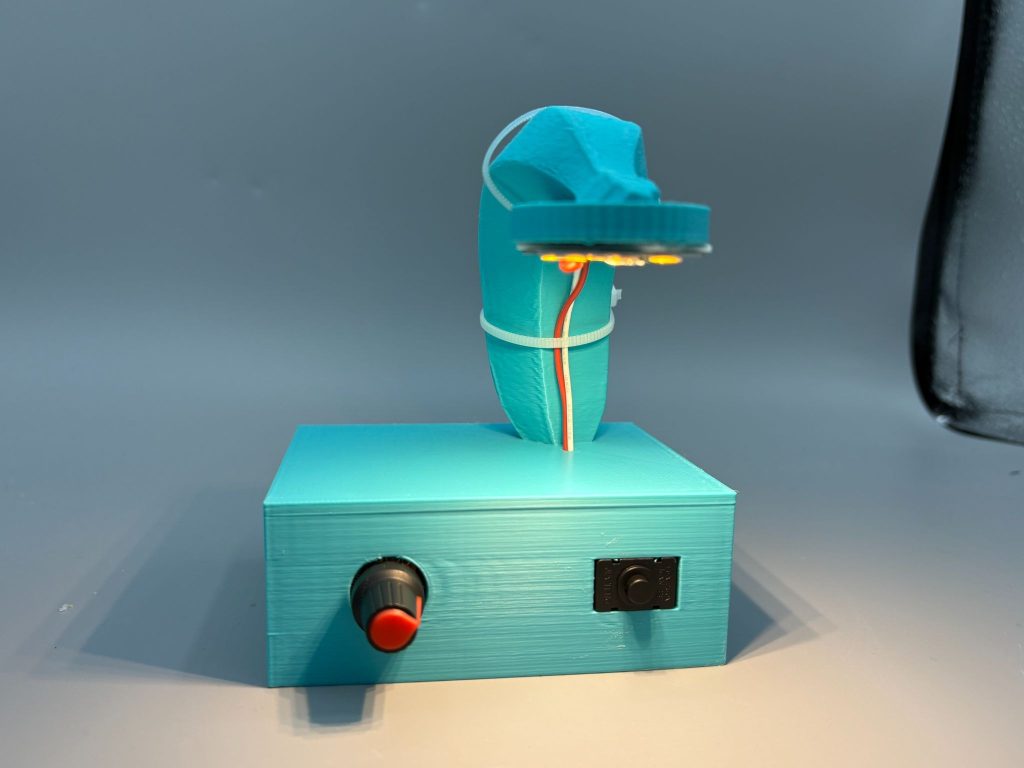
In MGA’s EP4 classroom, students begin exploring the world of electronic engineering.
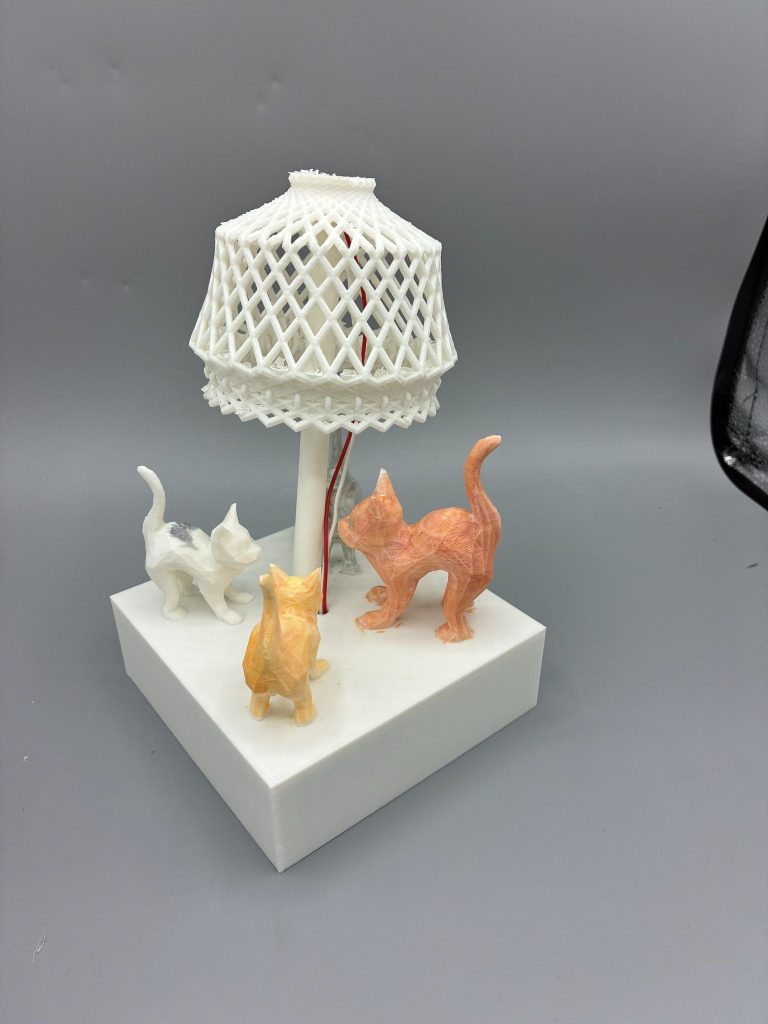
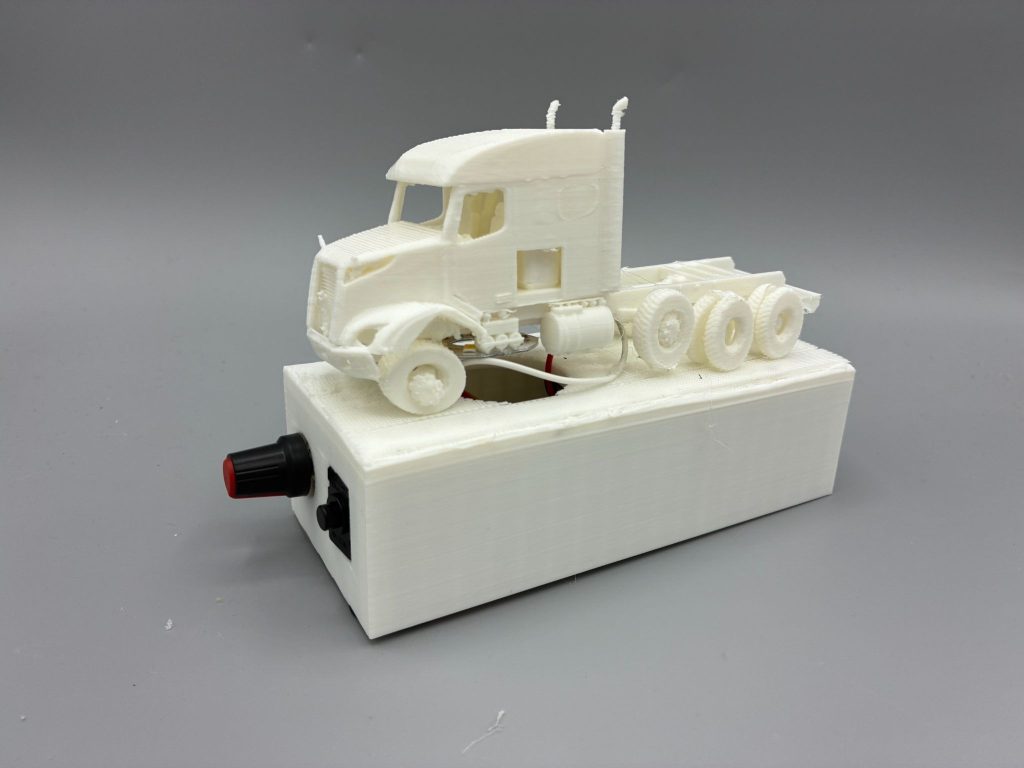
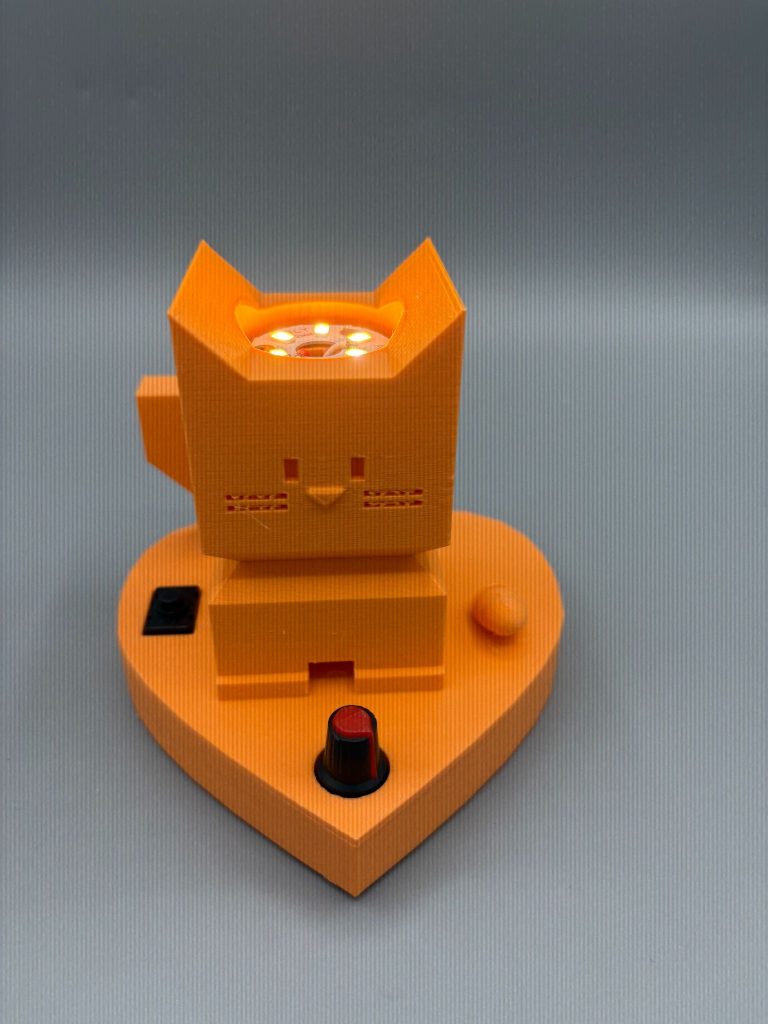
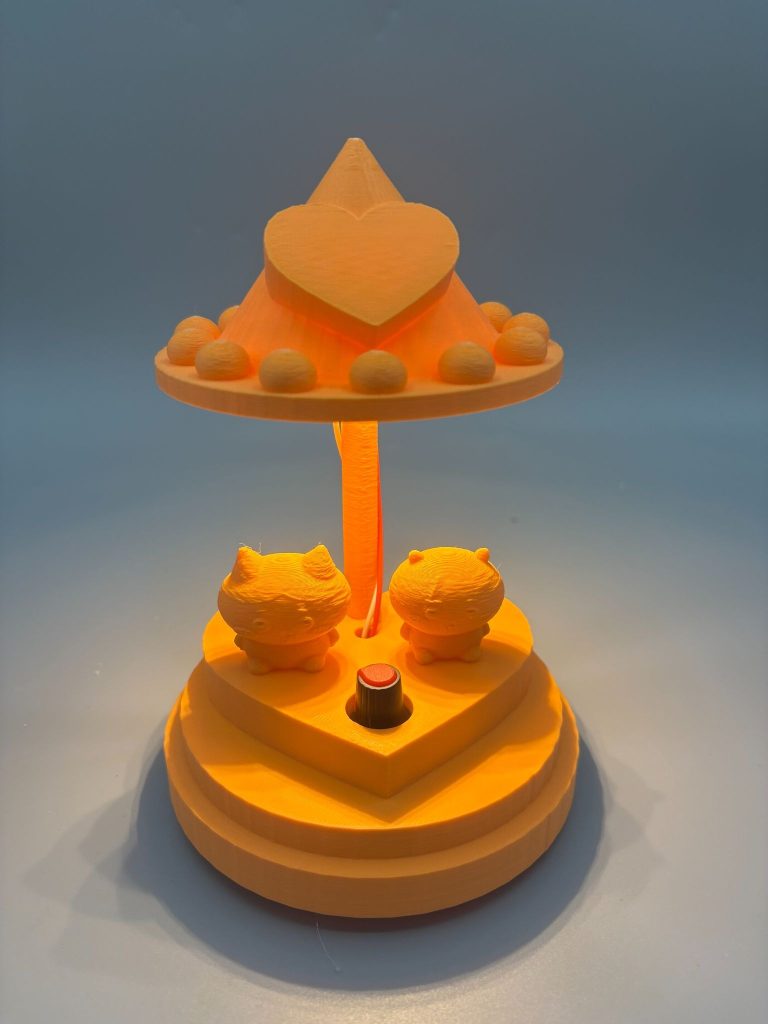
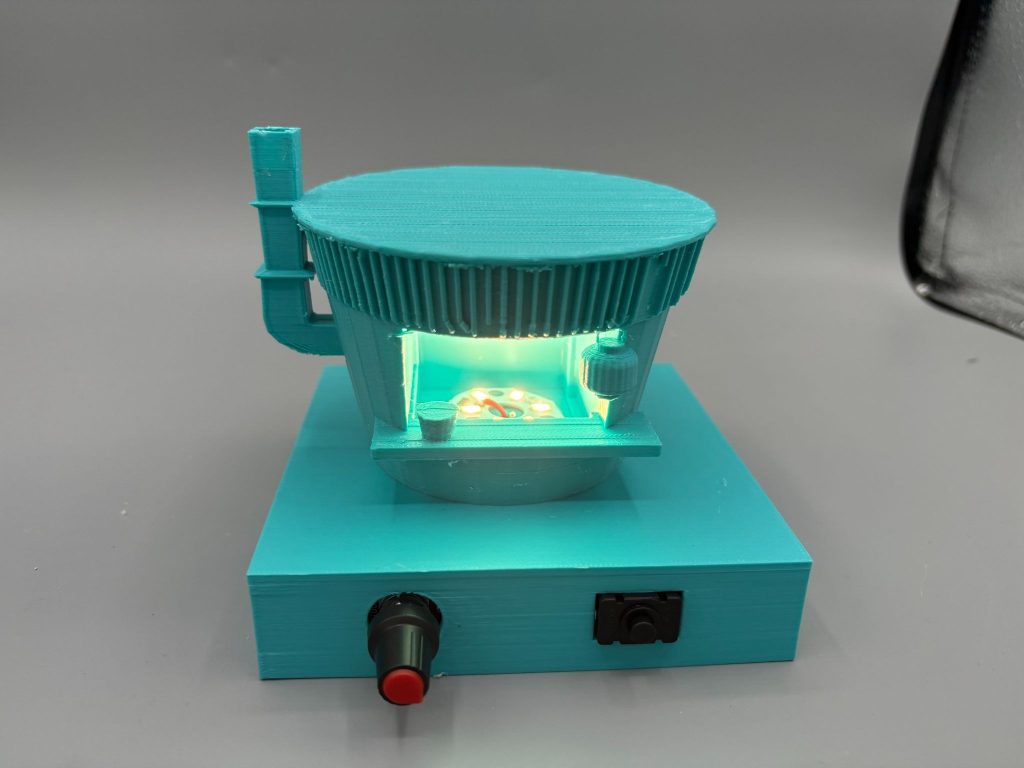
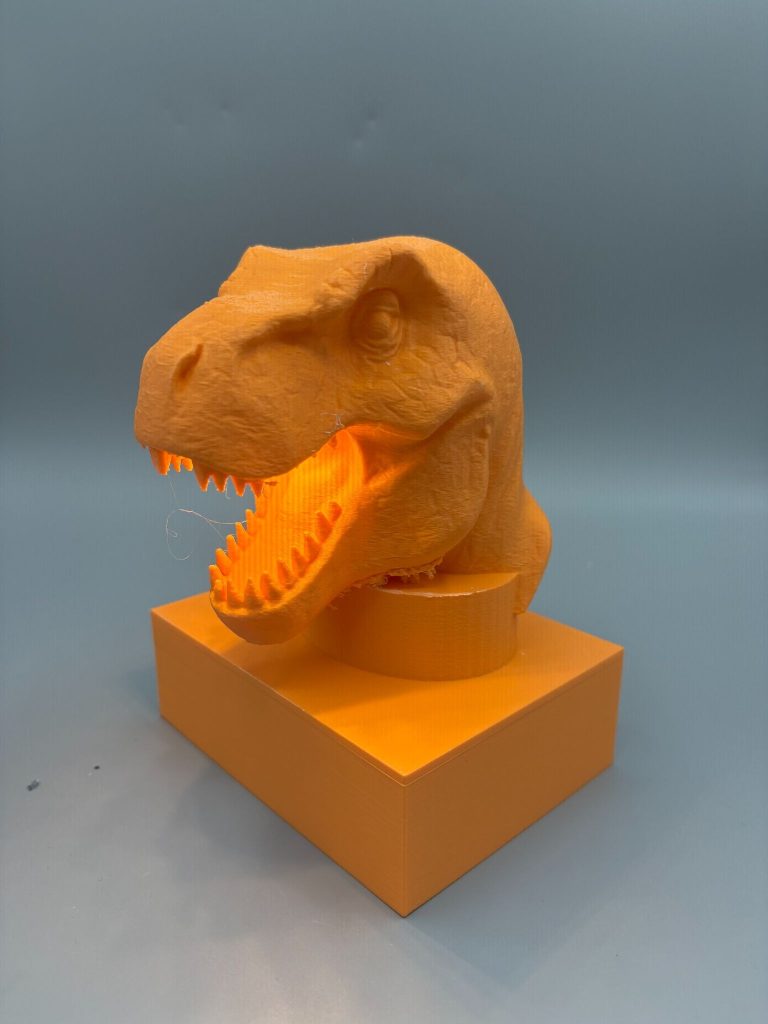
This time, their challenge is to design and build their own knob-controlled desk lamp.
But at MGA, building a lamp is never just about assembling parts.
Students begin by asking questions like: Why does a light turn on? and gradually explore the principles behind electrical circuits.
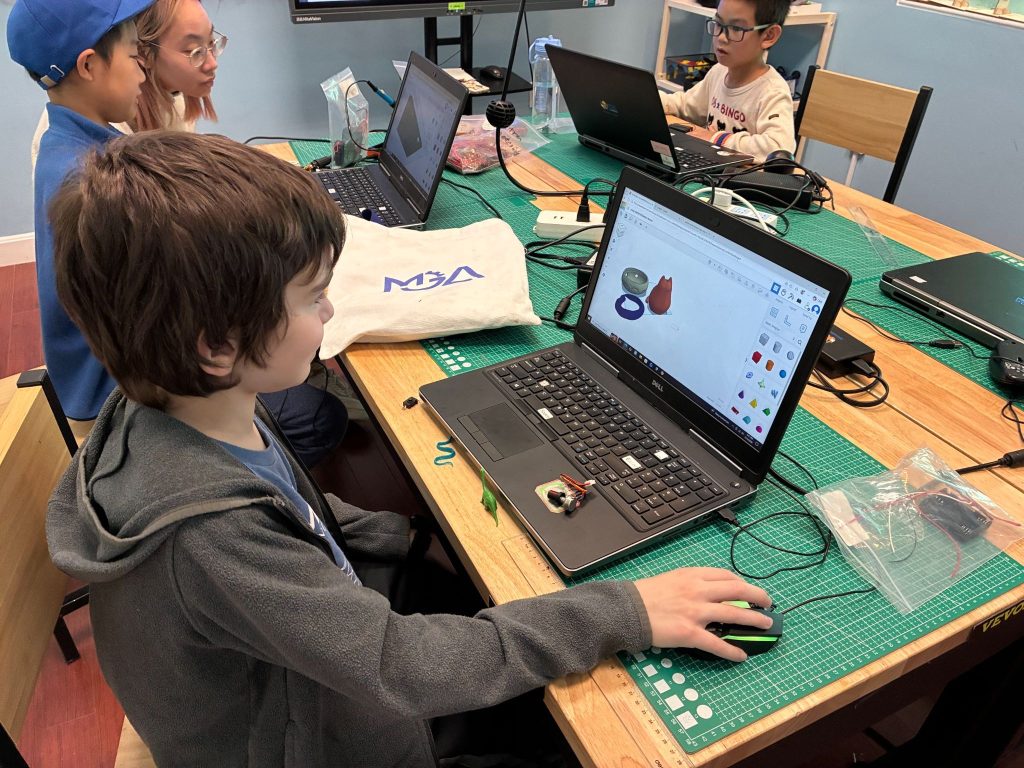
At the beginning of the project, students first use Tinkercad to design the appearance of their lamps. From the shape of the lampshade to the overall structure, each student creates a unique design of their own.
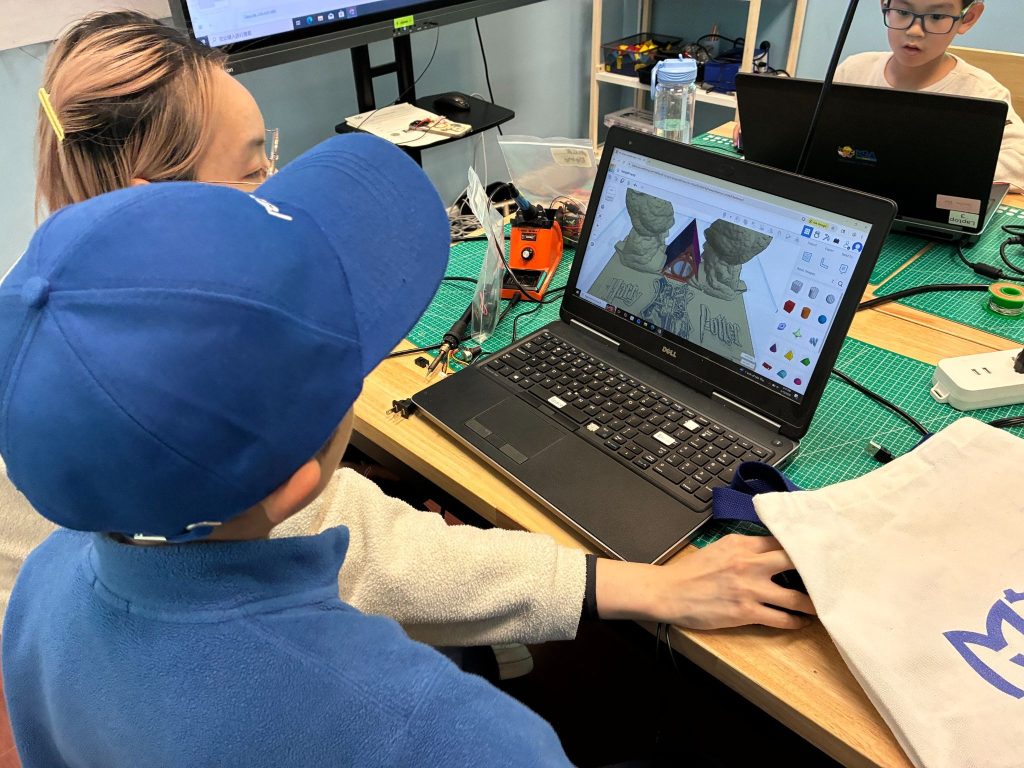
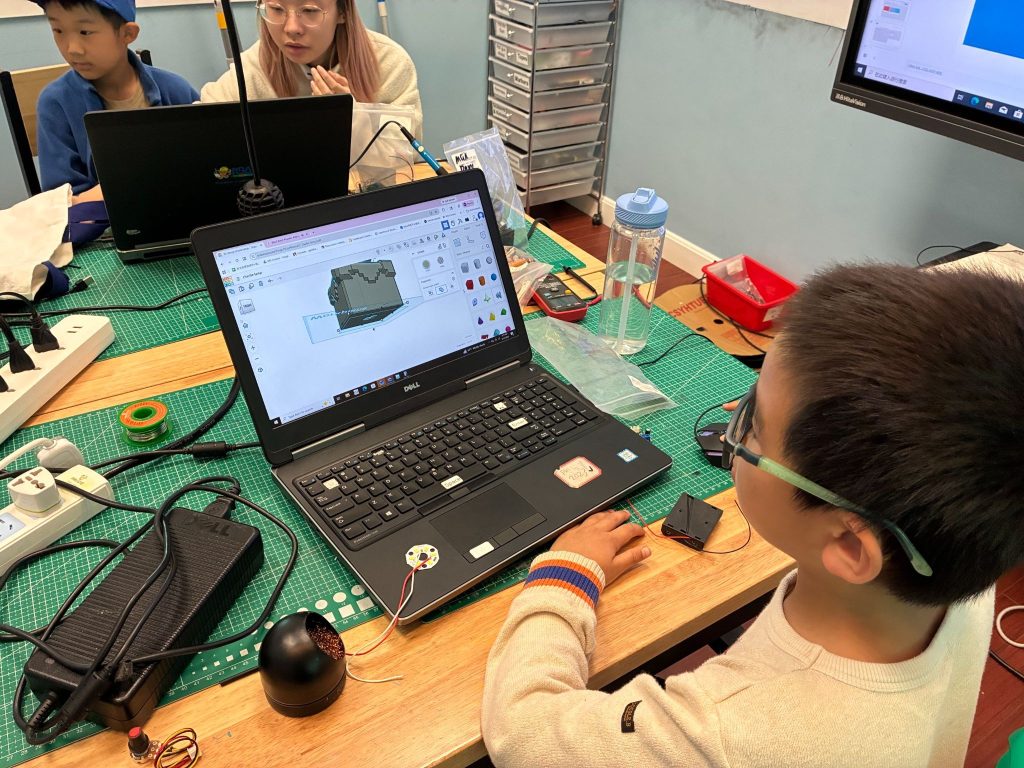
Next, the class moves into the true “electronic engineering” portion of the project.
Students learn how to connect circuits and light up an LED Light Panel. They begin exploring different symbols and components used in simple circuits and develop an understanding of:
How does electricity flow?
Why do some connections light up the lamp while others do not?
Then, students begin asking:
“What if I don’t just want the light to turn on — what if I want to adjust the brightness?”
This leads to a new stage of exploration.
Students learn what a potentiometer is and how it works to control brightness by adjusting resistance.
As they learned in class:
We can control the on/off of the light using a switch.
If we want to adjust the brightness of the light, we will need to use a driver board and a potentiometer.
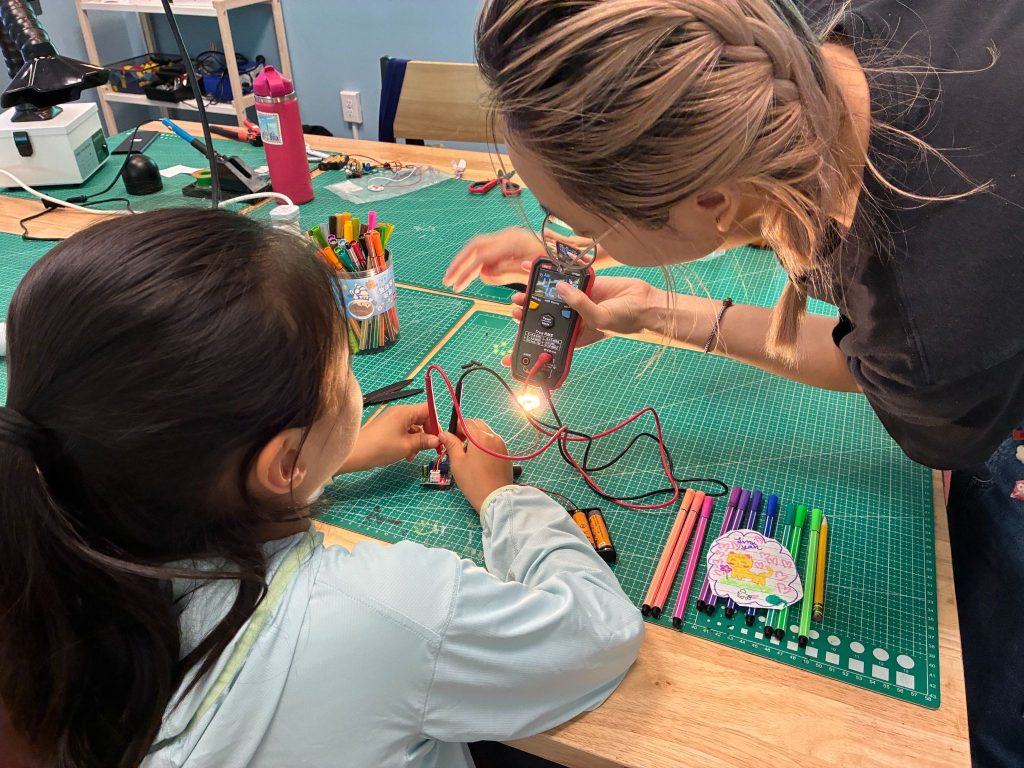
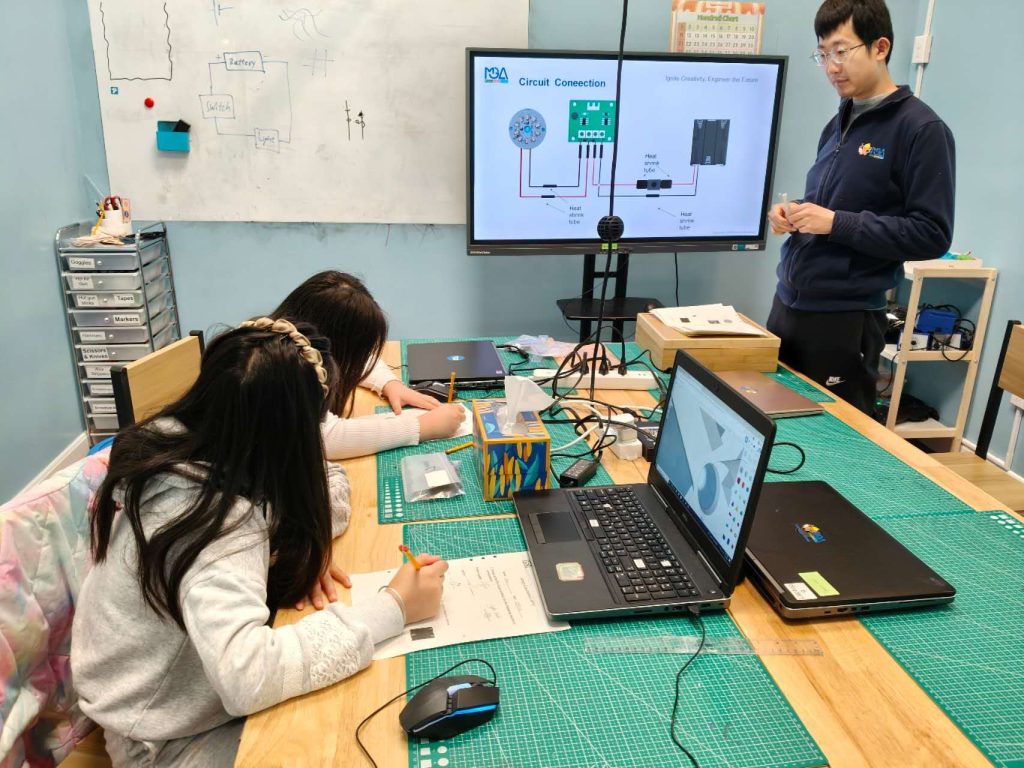
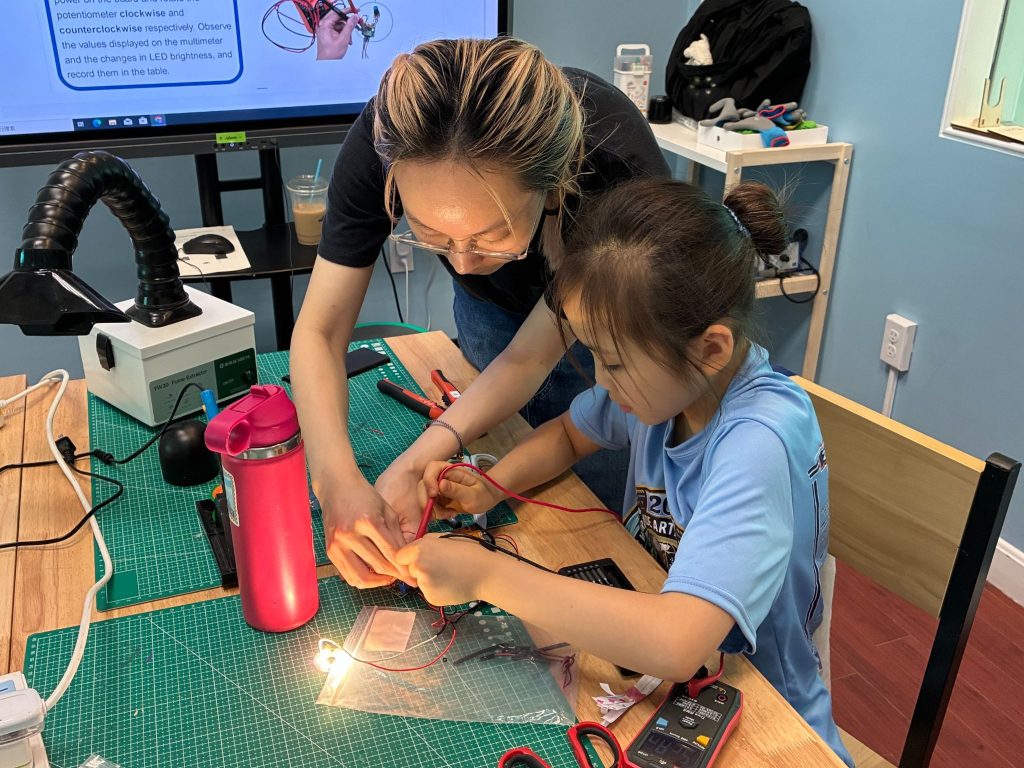
After understanding the concepts, students move on to one of the most challenging parts of the project — soldering.
For many students, this is their first time learning this technique.
They carefully solder electronic components onto circuit boards, connect different parts, and continuously test whether the circuit functions correctly.
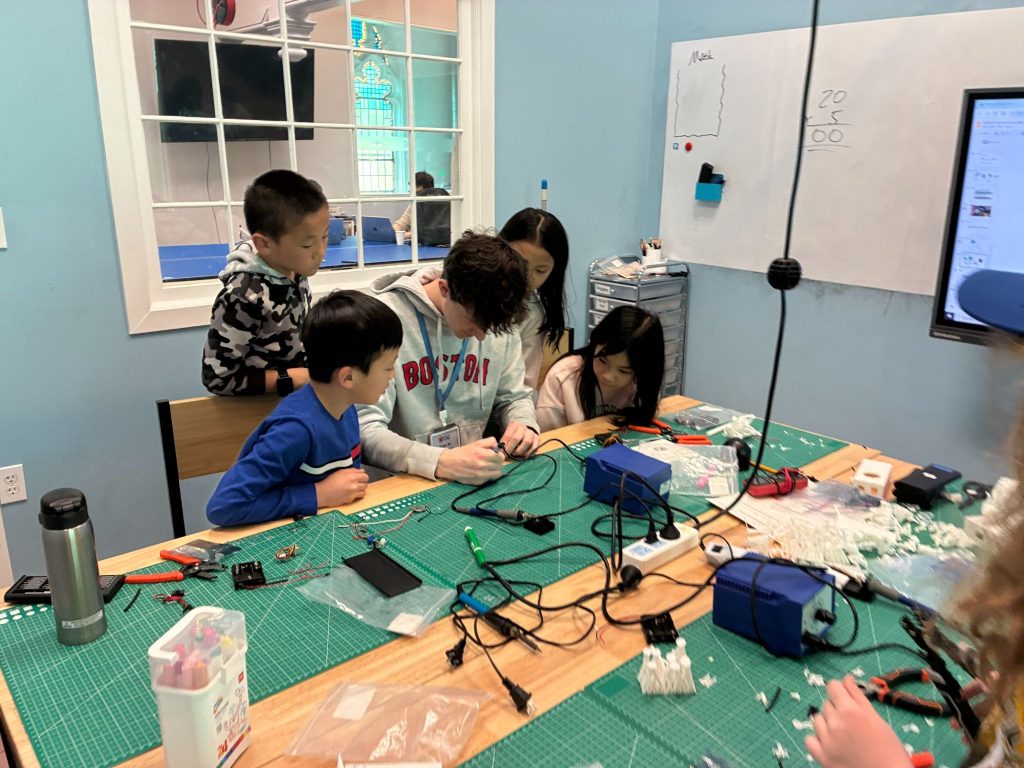
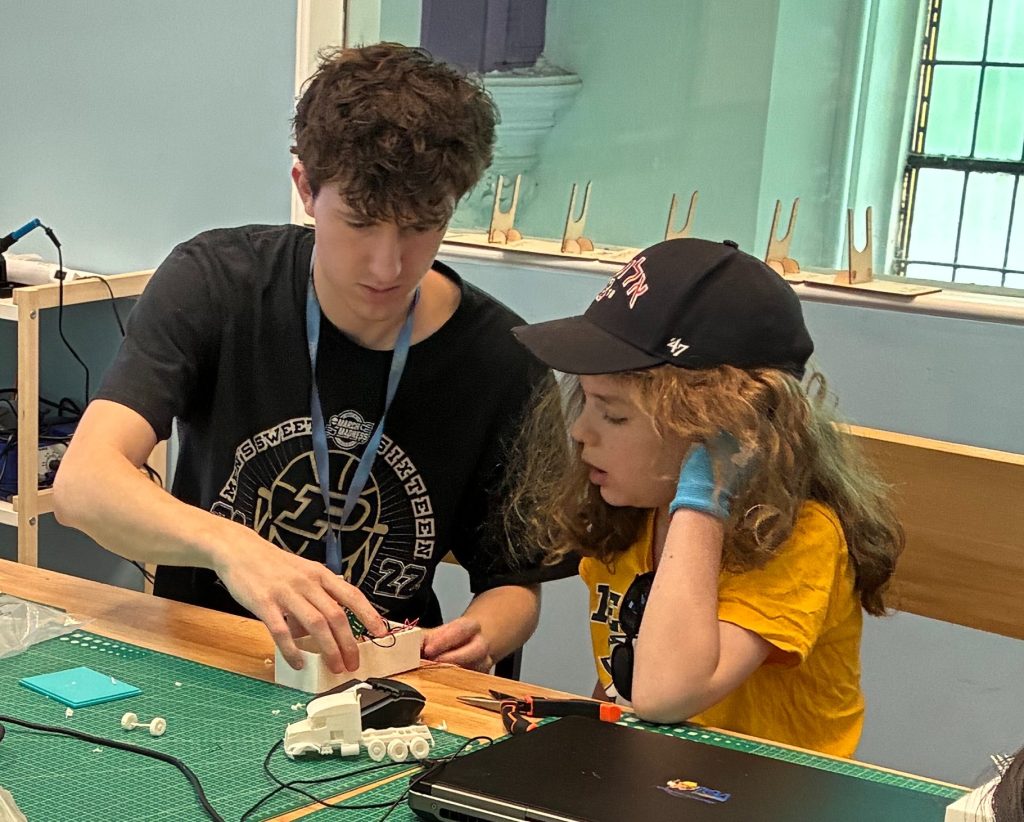
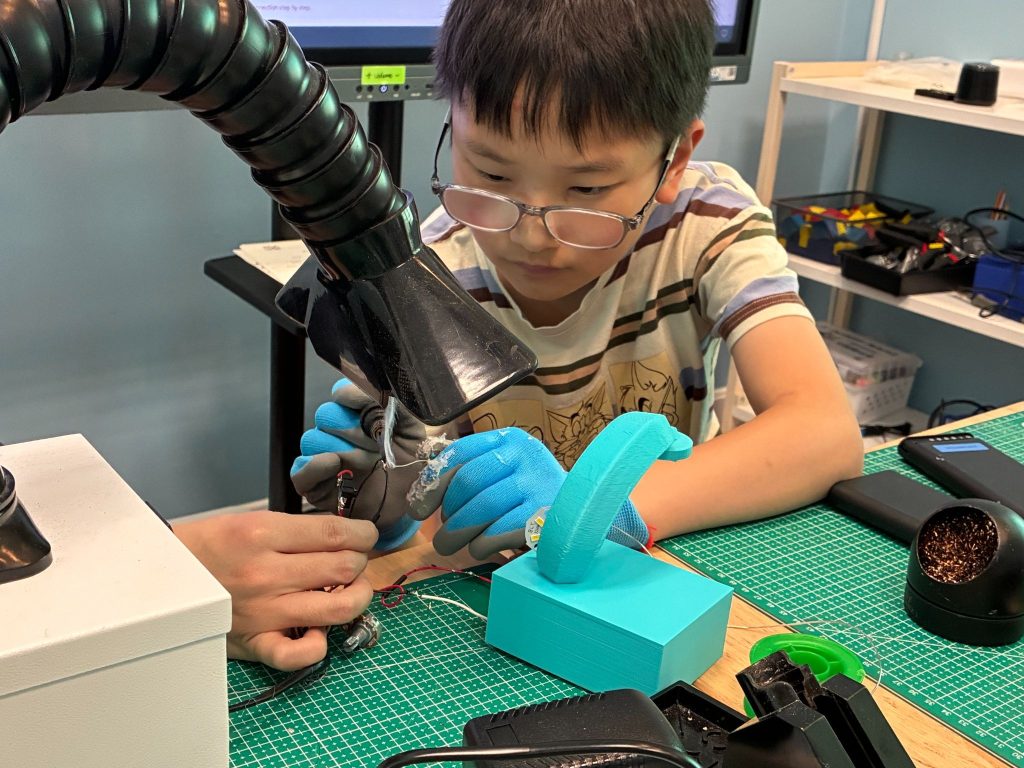
Throughout the process, students not only learn electronics, but also learn how to troubleshoot, revise, and improve their designs.
Sometimes the light would not turn on.
Sometimes the knob would not adjust the brightness correctly.
And students began asking questions:
Was something connected incorrectly?
Is the solder joint unstable?
Is there an issue with the direction of the current?
And this is one of the most important parts of an MGA classroom.
We want students not only to complete a project, but also to learn how to:
discover problems, ask questions, and truly solve them.
Because real engineering is never just about following instructions —
it is about understanding how the world works through exploration and experimentation.