
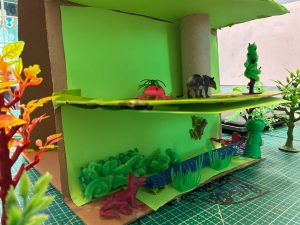
EP2 Classroom: Building a Rainforest, One Layer at a Time
What would happen if an entire rainforest came into the classroom? Would students begin by building towering trees, or would they first decide where each animal belongs? In MGA’s EP2 Engineering Program, students became Rainforest Ecosystem Designers, exploring the structure of tropical rainforests before building … Continue readingEP2 Classroom: Building a Rainforest, One Layer at a Time
What would happen if an entire rainforest came into the classroom?
Would students begin by building towering trees, or would they first decide where each animal belongs?
In MGA’s EP2 Engineering Program, students became Rainforest Ecosystem Designers, exploring the structure of tropical rainforests before building their own three-dimensional rainforest models.
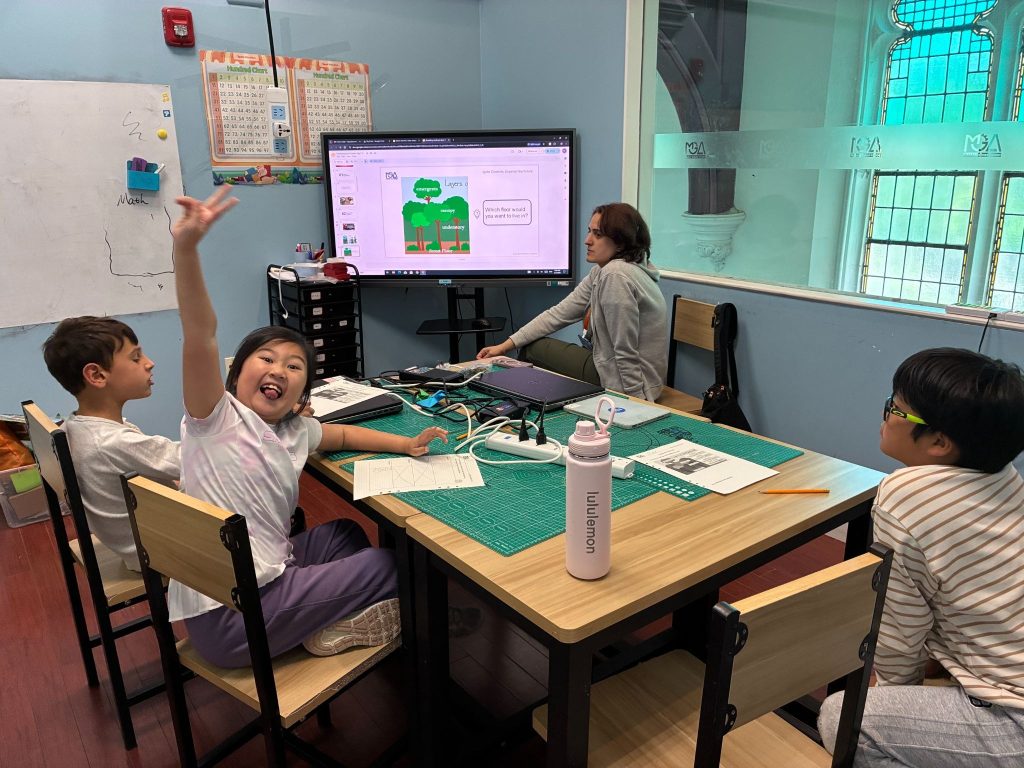
The lesson began with a thought-provoking question:
“If you were a rainforest animal, which layer would you choose to live in?”
With that question in mind, students launched into their Rainforest Engineering Project.
🌳 Discovering the Four Layers of the Rainforest
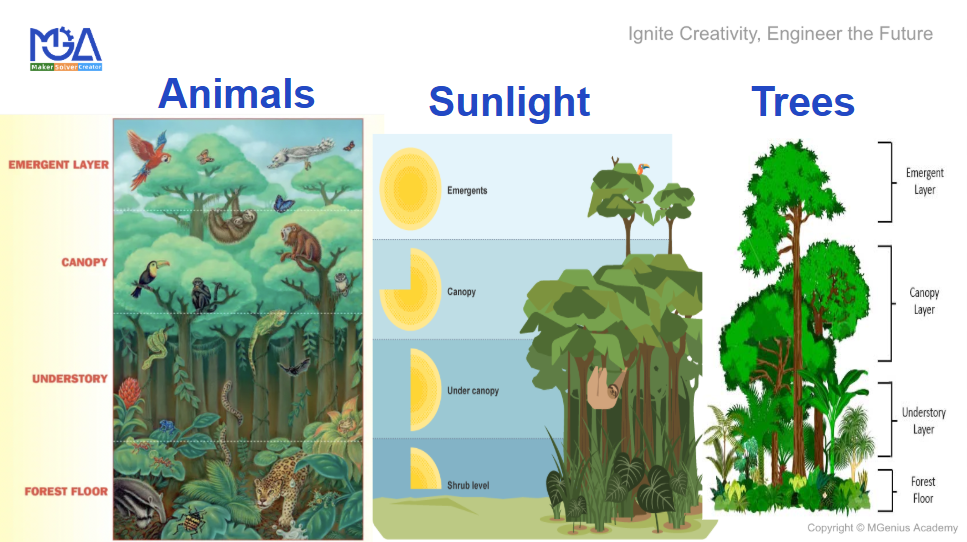
Students first discovered that a rainforest is far more than a collection of trees—it is a complex ecosystem made up of four distinct layers:
🌲 Emergent Layer
🍃 Canopy
🌿 Understory
🍂 Forest Floor
Throughout the lesson, students explored three guiding questions:
- What kind of animals live on each layer?
- How leafy and how tall are the trees on each layer?
- How much sunlight does each layer receive?
By observing and discussing these questions, students discovered how differences in tree height, sunlight, and vegetation create unique habitats, allowing different animals to thrive in different parts of the rainforest.
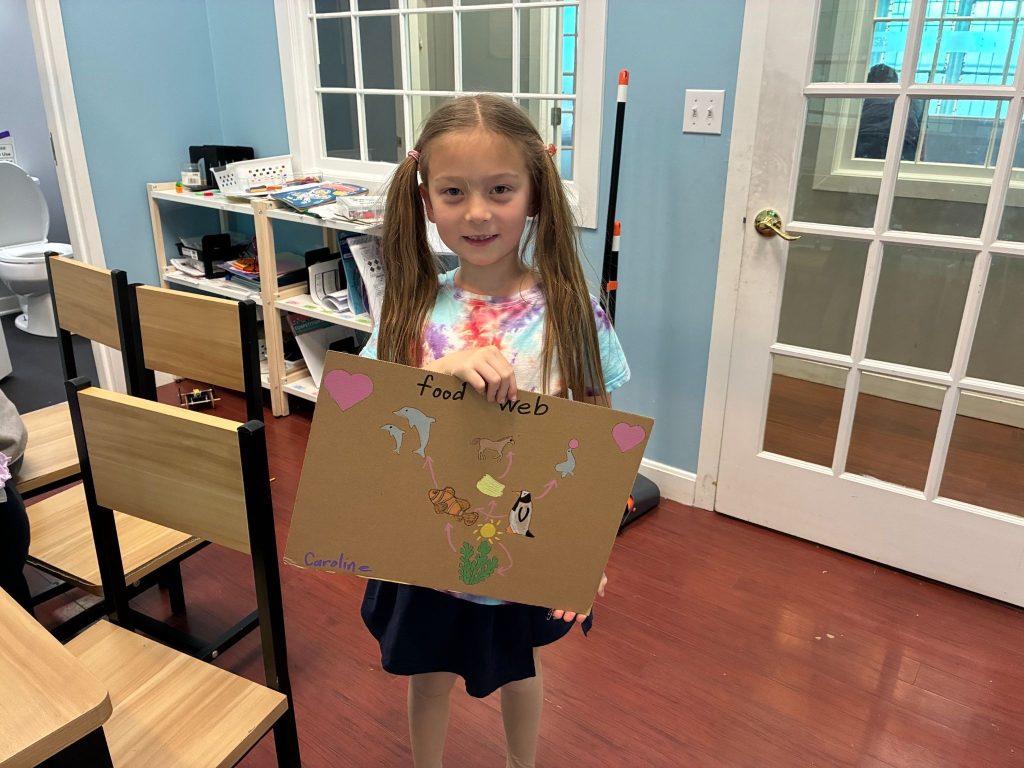
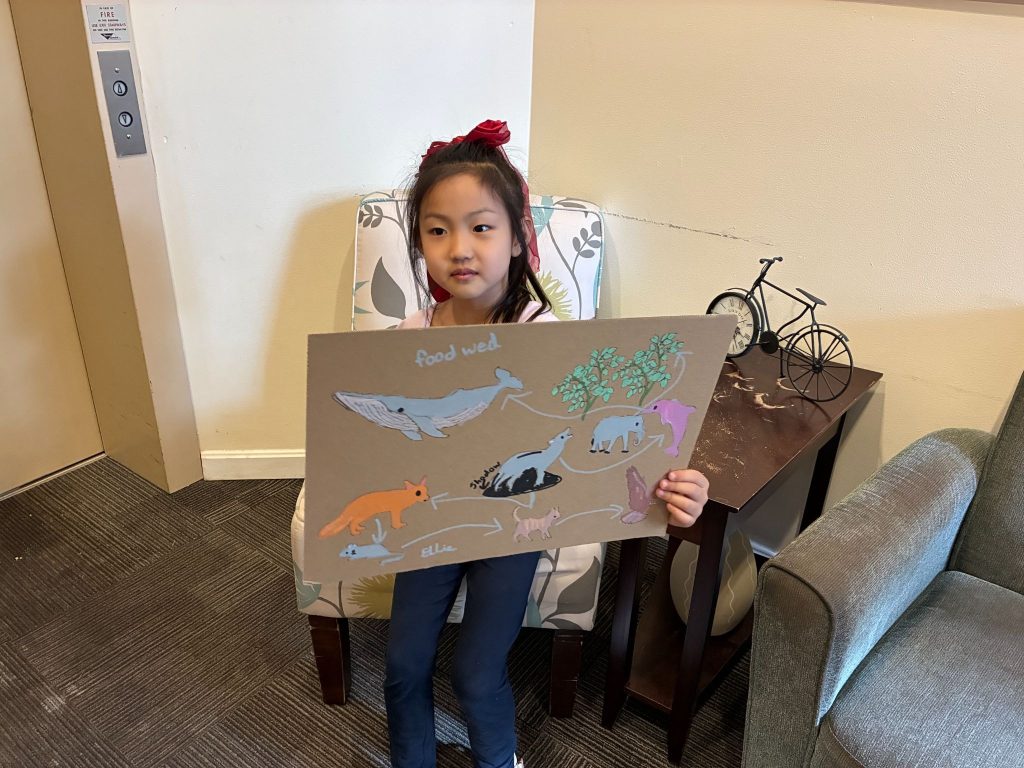
🐒 Applying Prior Knowledge Through the Food Chain
After exploring the rainforest’s structure, students revisited a concept they had learned in earlier lessons—the Food Chain.
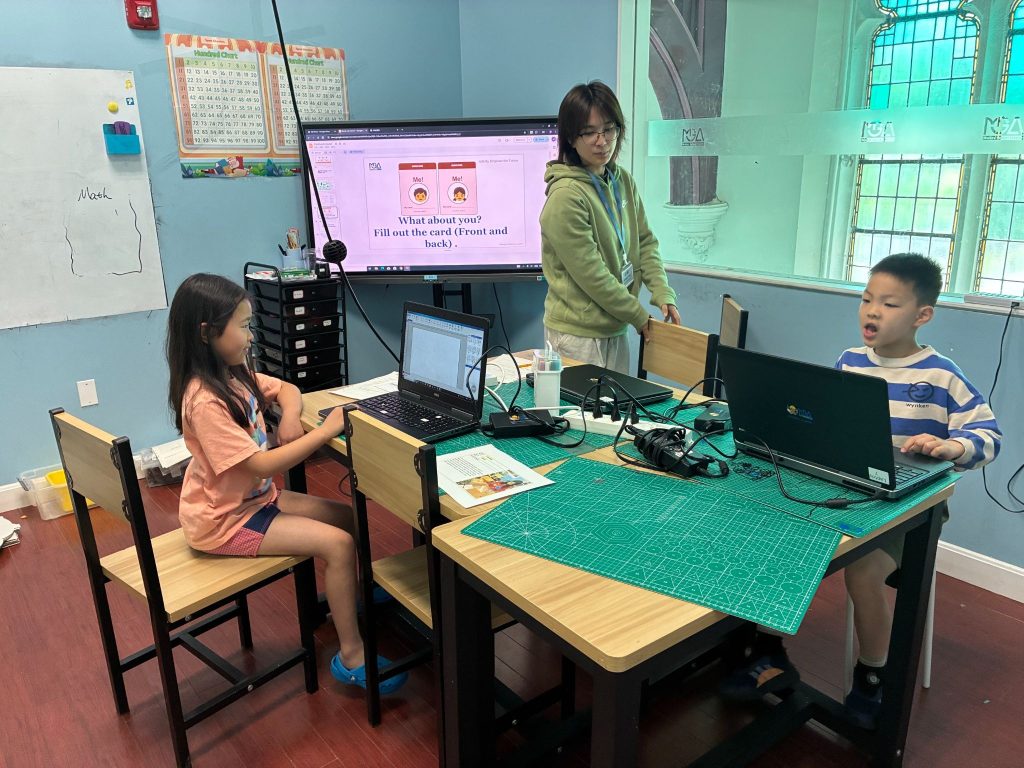
Instead of giving students the answers, teachers encouraged them to think critically by connecting each animal’s food source, habitat, and predator-prey relationships.
- If an animal depends on a certain food source, which layer would it most likely live in?
- If an animal needs protection from predators, where would it choose to live?
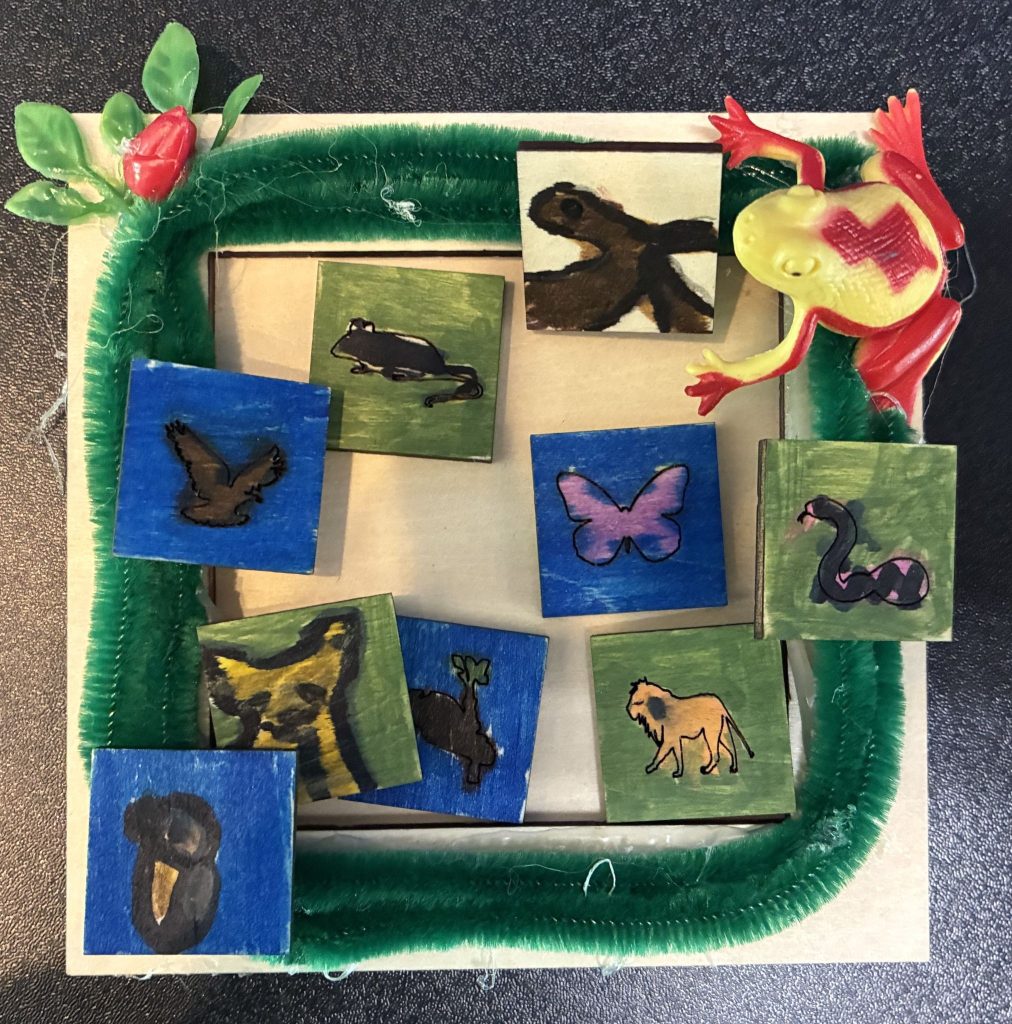
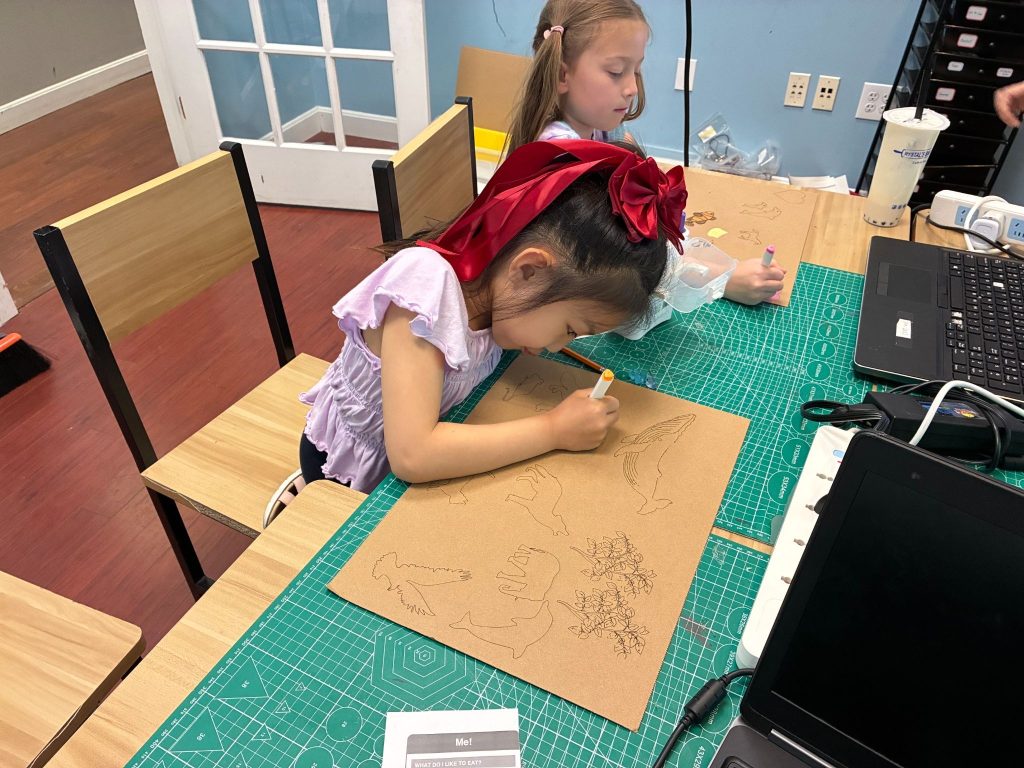
Through discussion and reasoning, students connected prior knowledge with new scientific concepts and developed a deeper understanding of how every layer of the rainforest ecosystem is interconnected.
💻 Designing the Animals Before Building the Forest
Once they understood the ecosystem, students began designing their own Rainforest Models.
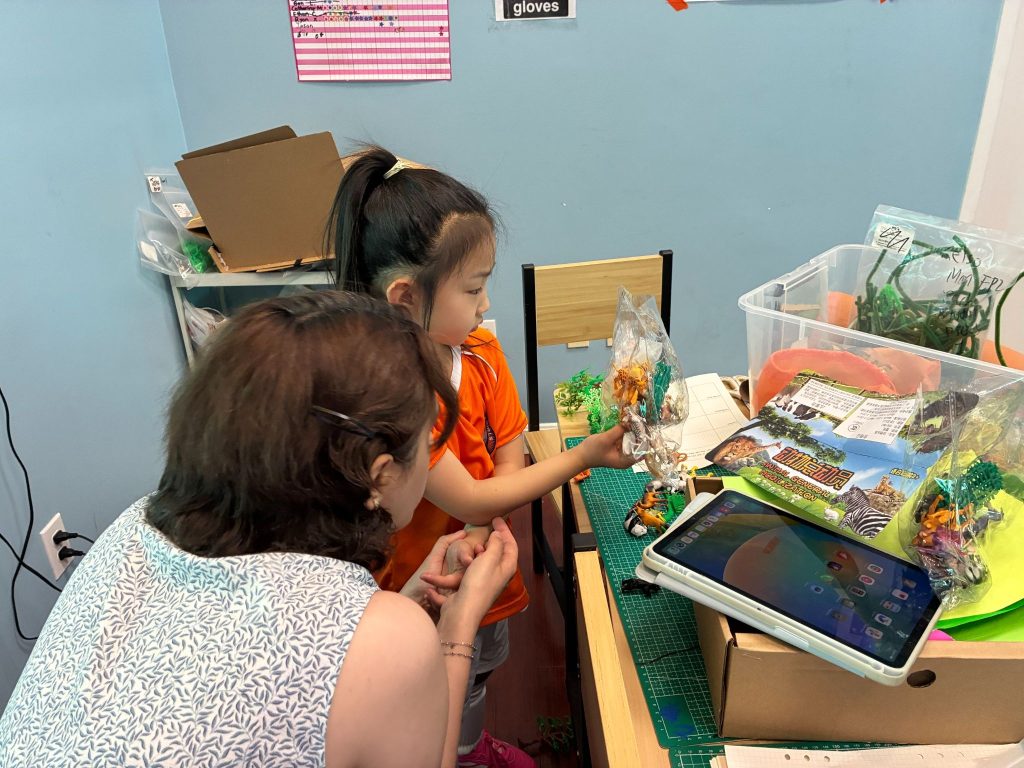
Using 3D design software, each student created a digital model of a rainforest animal they wanted to include in their project. Their designs were then brought to life through 3D printing, becoming an important part of their final rainforest model.
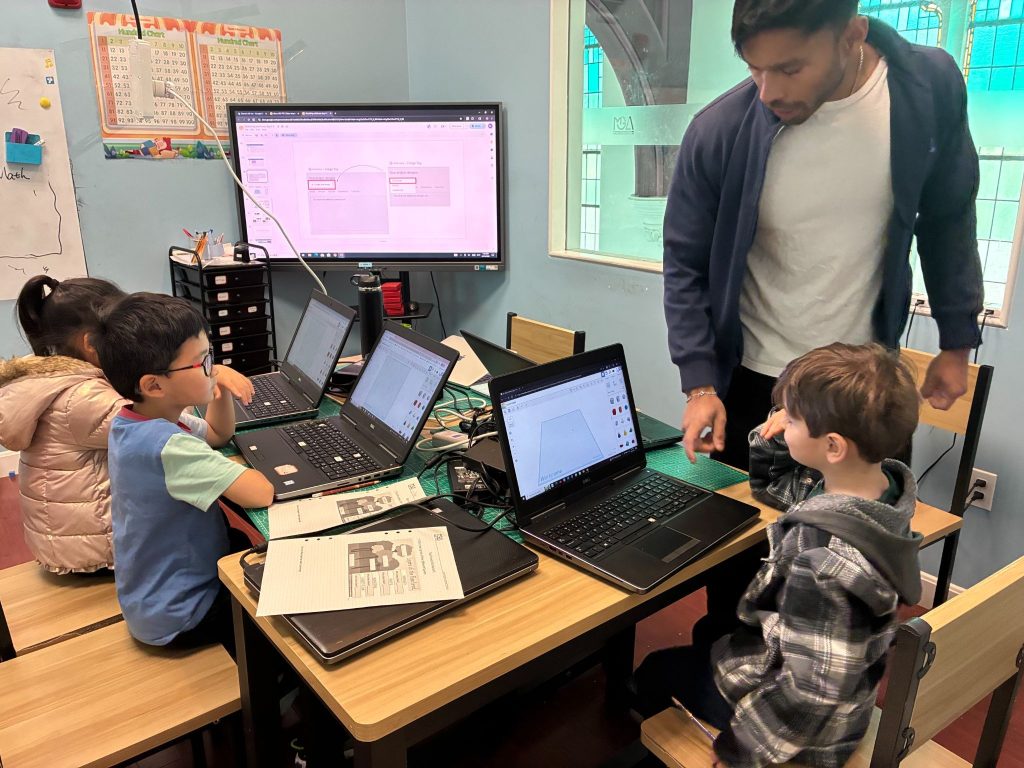
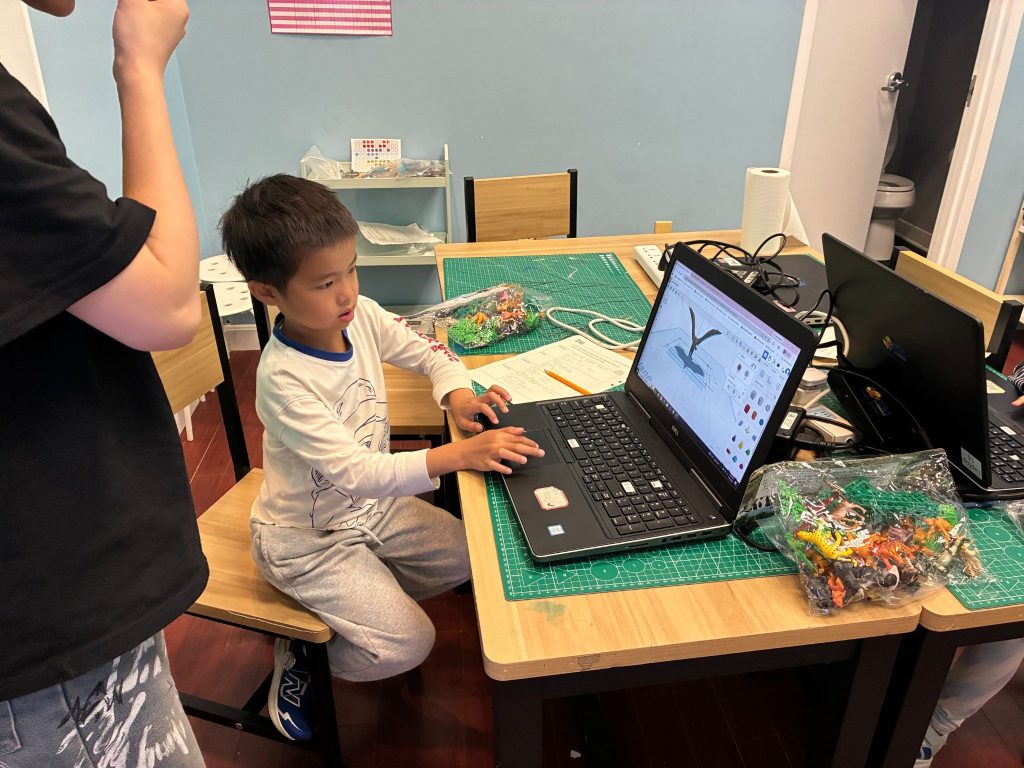
Throughout the process, students experienced the complete engineering design cycle:
Think. Design. Create.
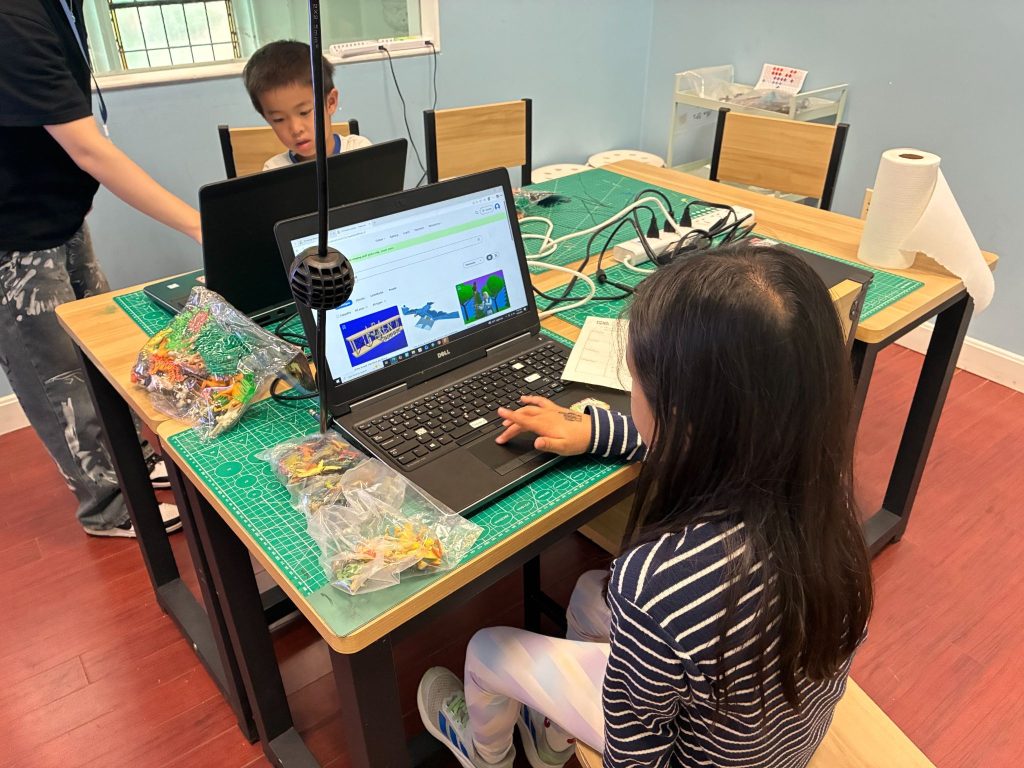
🛠️ Every Rainforest Was Unique
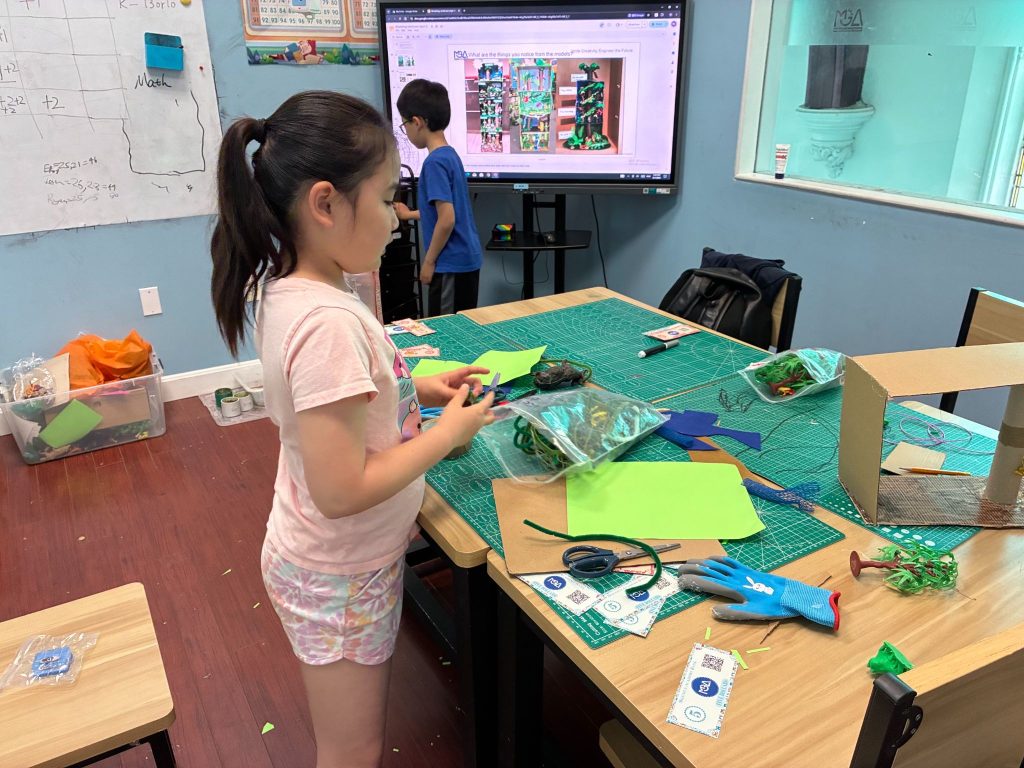
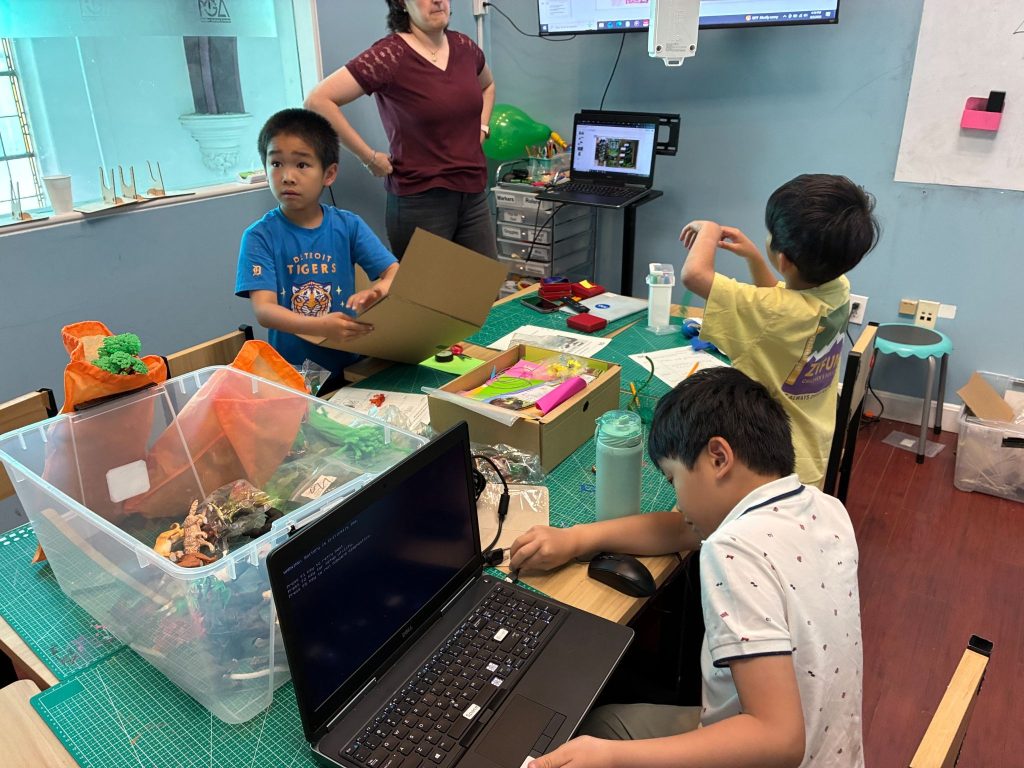
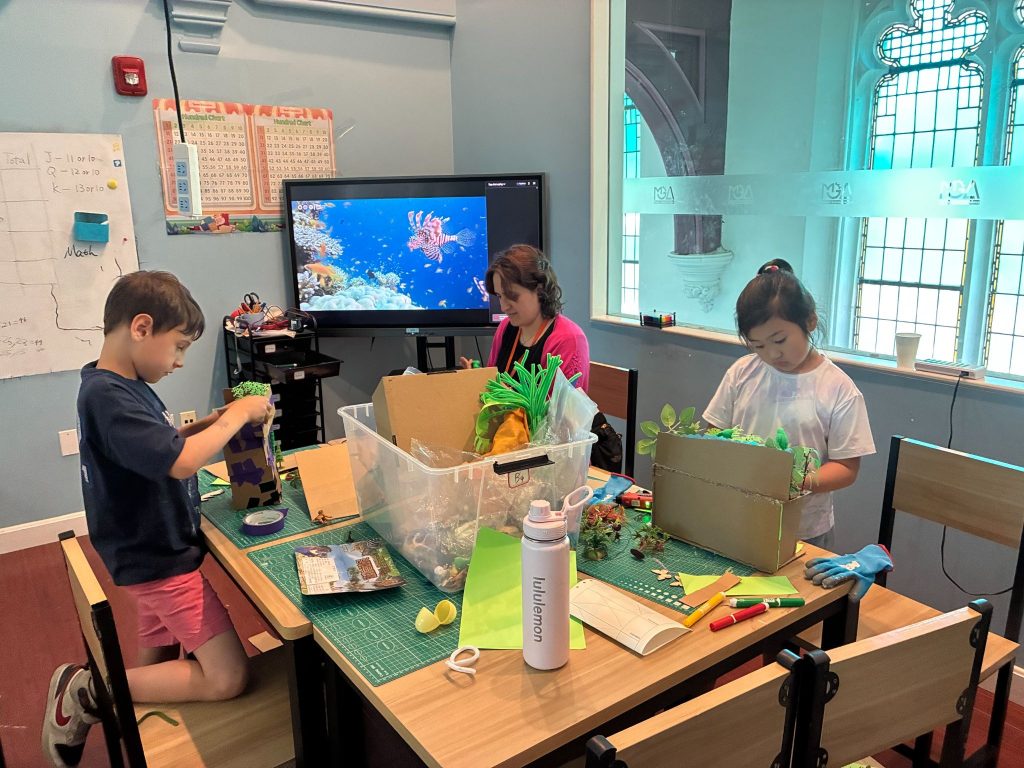
As construction began, the classroom quickly transformed into a busy engineering workshop.
Cardboard, paper boxes, pipe cleaners, colored paper, recycled materials, and students’ own 3D-printed animals became the building blocks of their rainforest worlds.
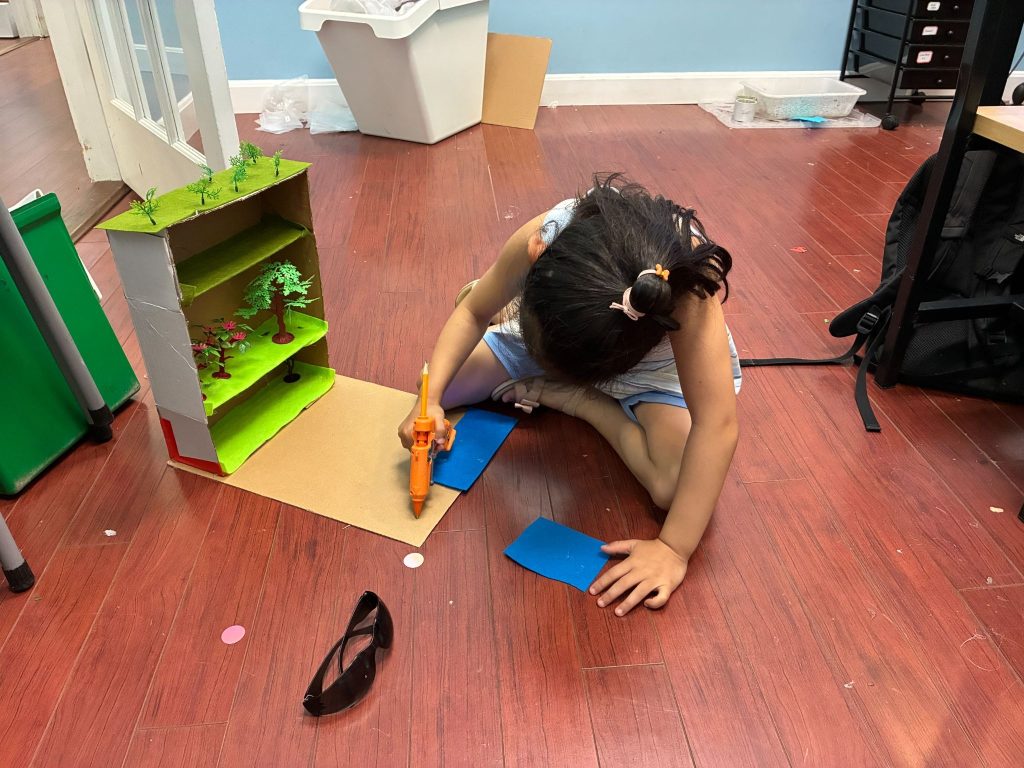
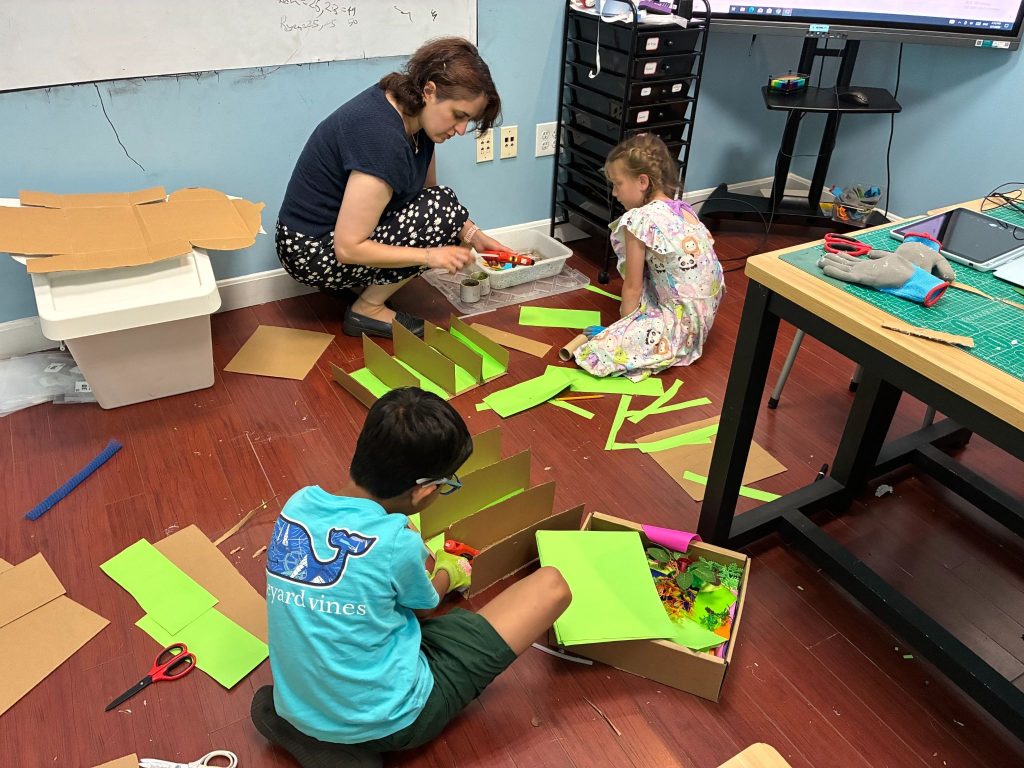
Some students focused on building sturdy tree trunks, while others carefully adjusted the height of their trees. Some filled their forests with lush plants, while others designed habitats perfectly suited for their animals.
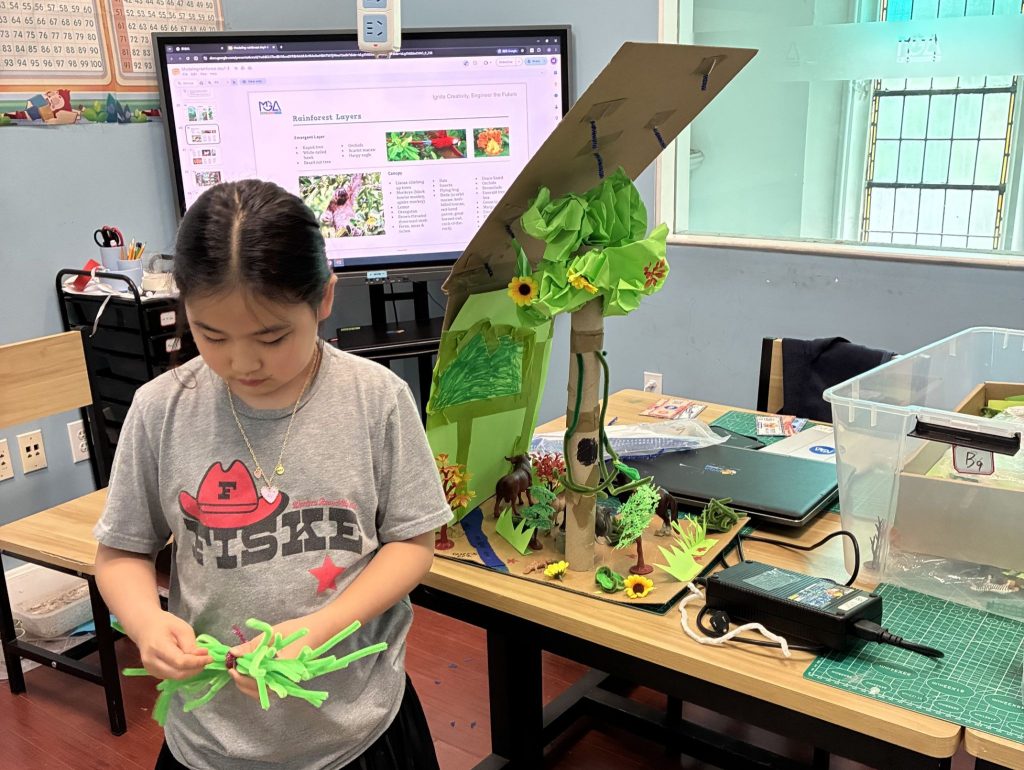
As their projects grew taller, many students moved to the floor for extra space, while others placed their models on chairs to continue building upward.
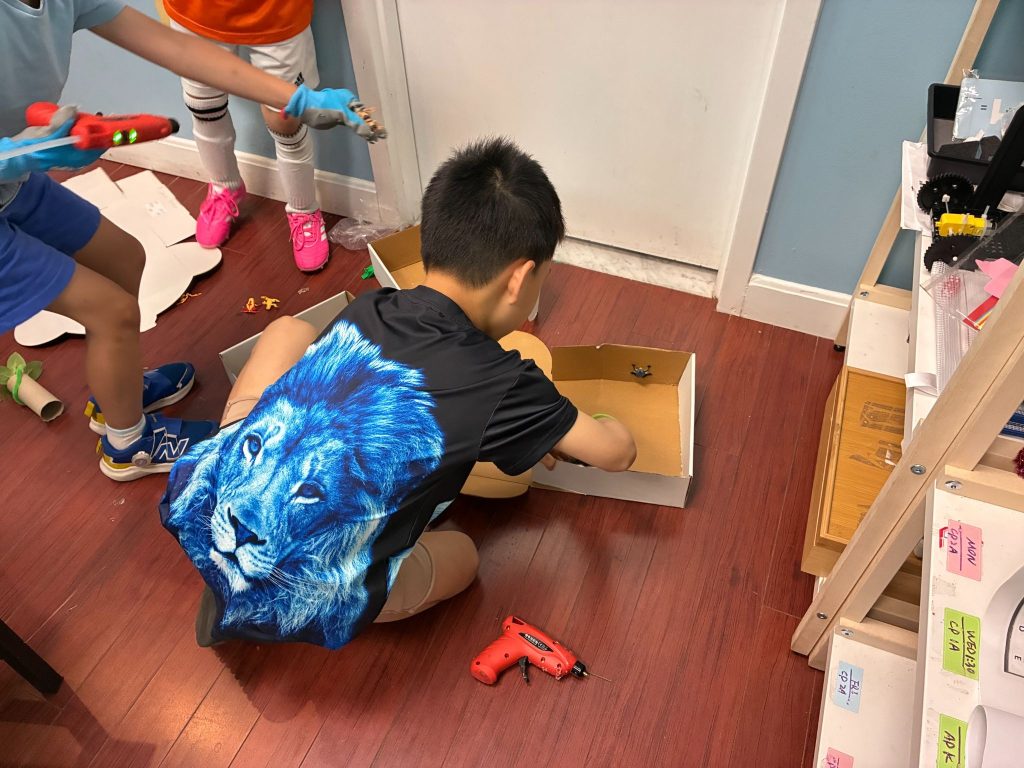
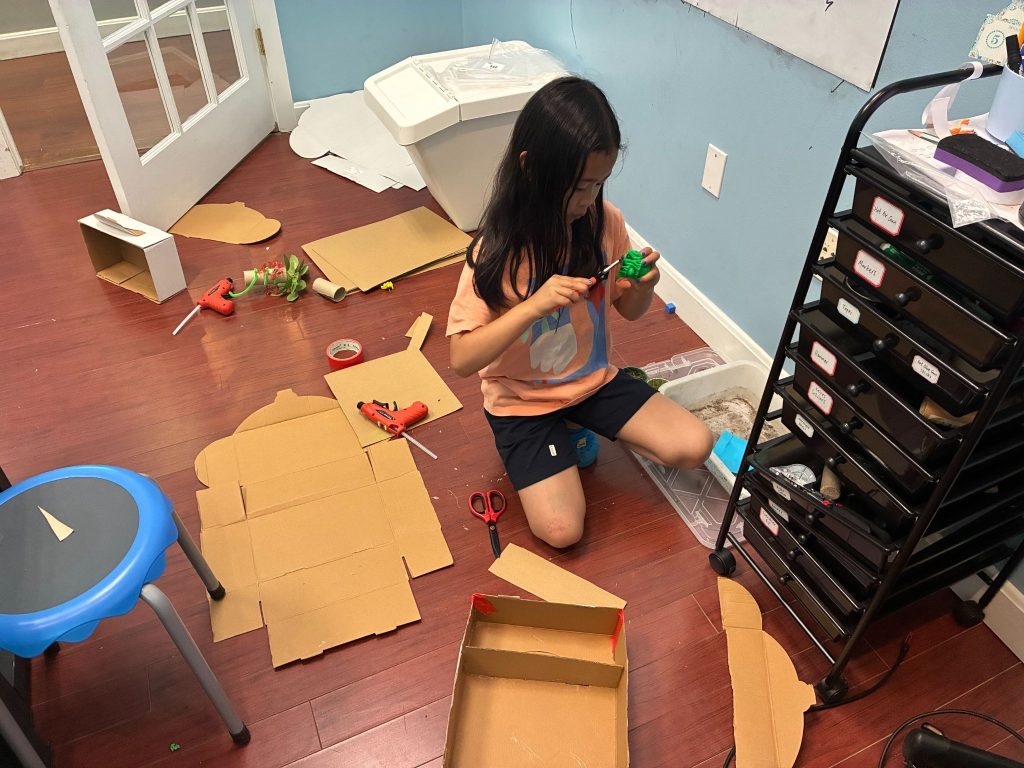
No two rainforests looked alike.
Every project reflected its creator’s imagination, creativity, and growing engineering skills.
🌿 Showcasing Their Rainforest Worlds
After days of planning, designing, and building, each student’s rainforest finally came to life.
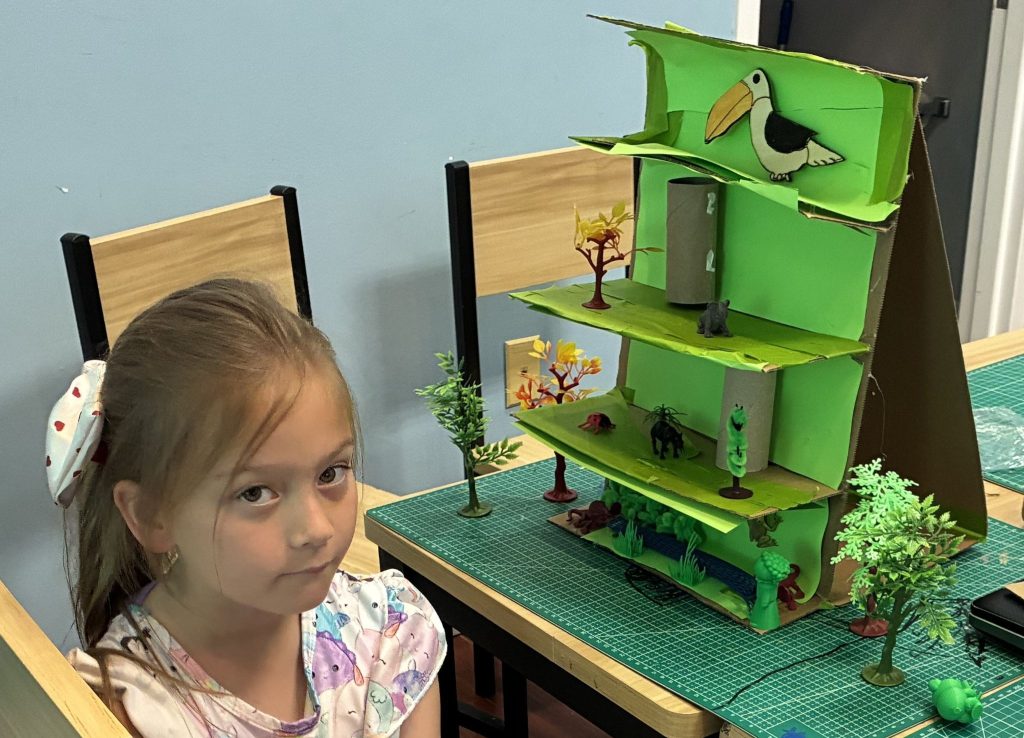
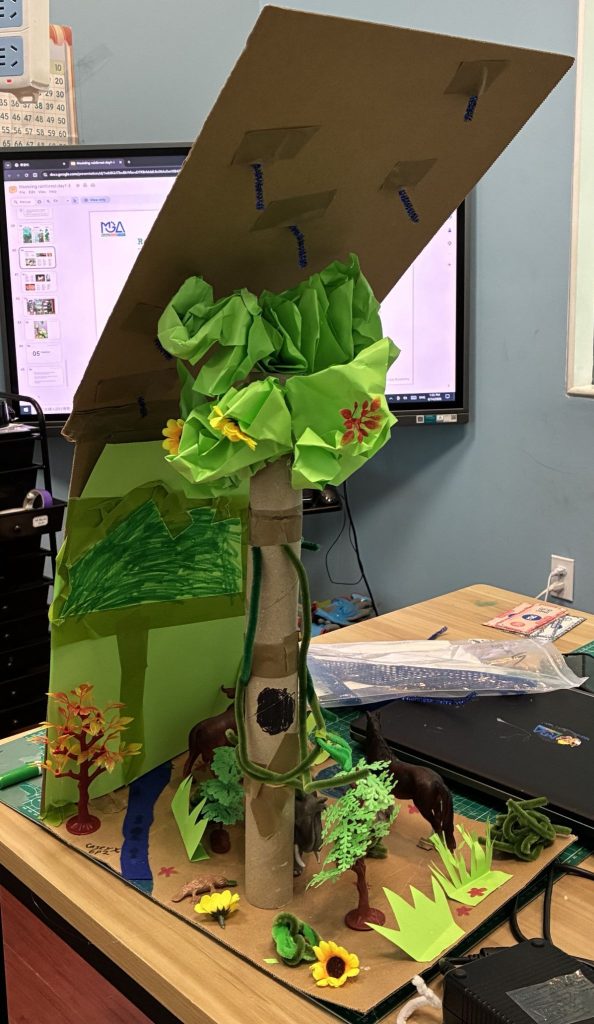
Some created dense forests filled with layers of greenery. Others built towering trees reaching high above the forest floor, while carefully placing each animal in the layer best suited to its habitat.
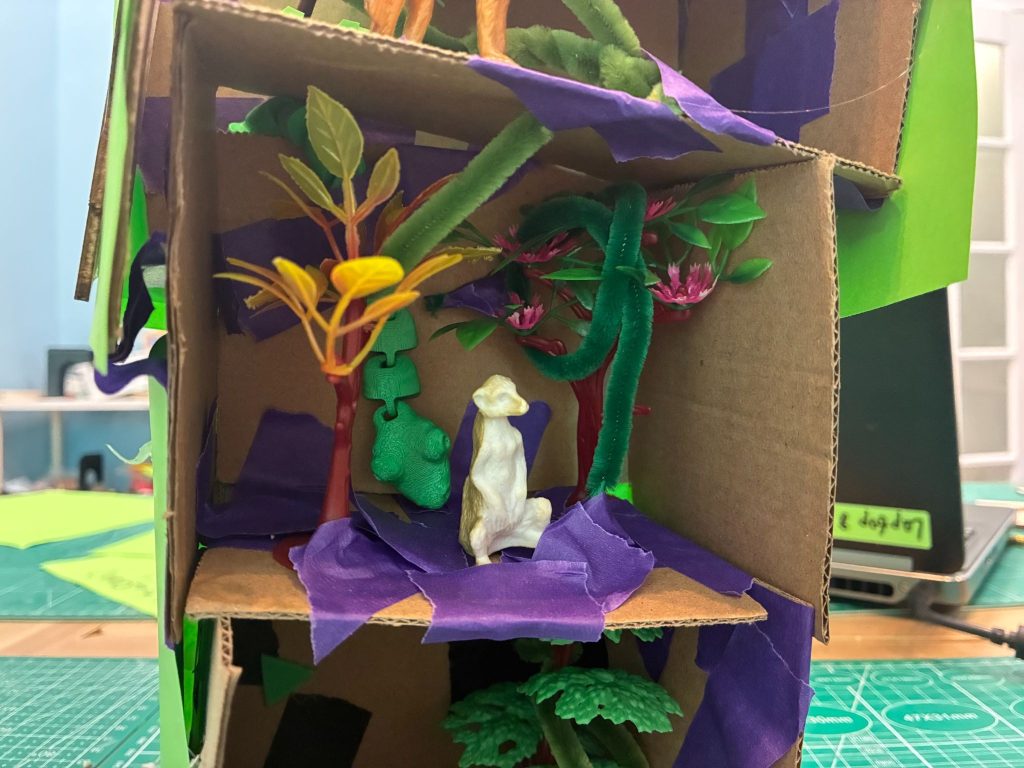
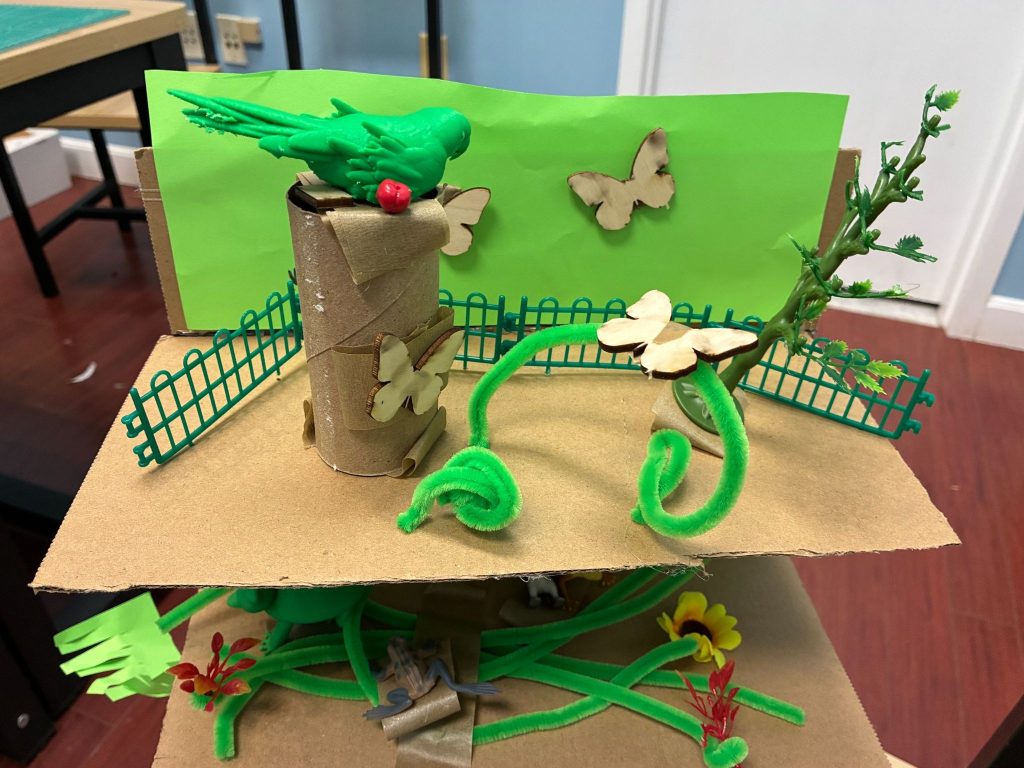
Students proudly presented their projects, explaining their design choices, why they selected certain animals, and how scientific concepts influenced the layout of their rainforest.
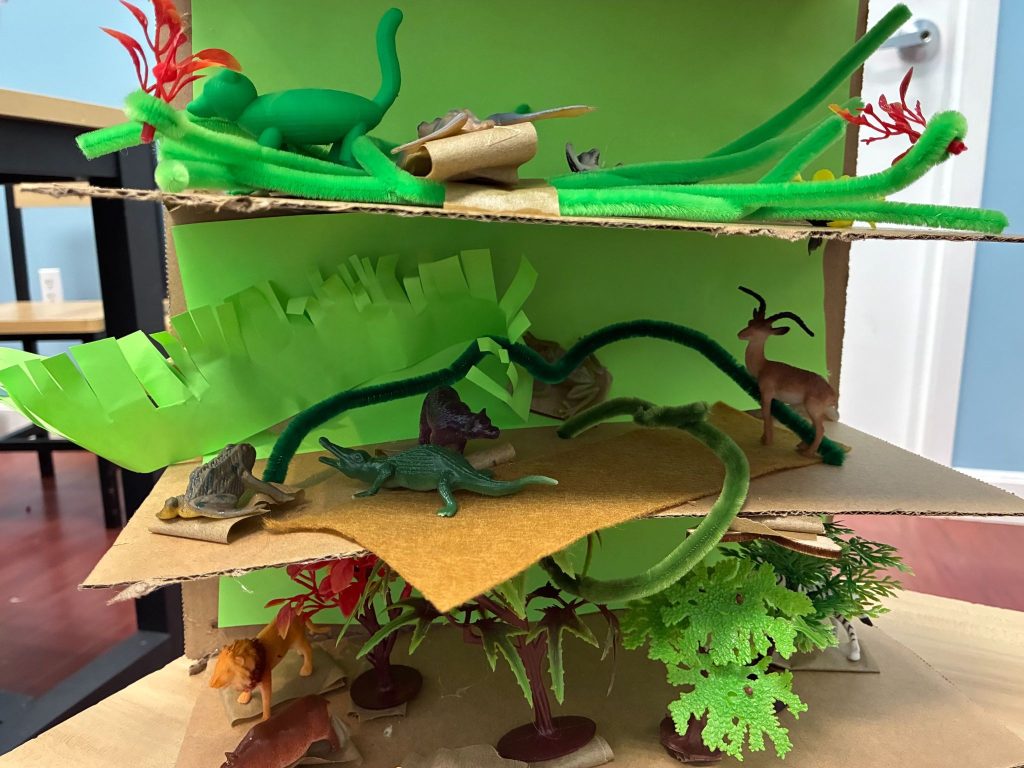
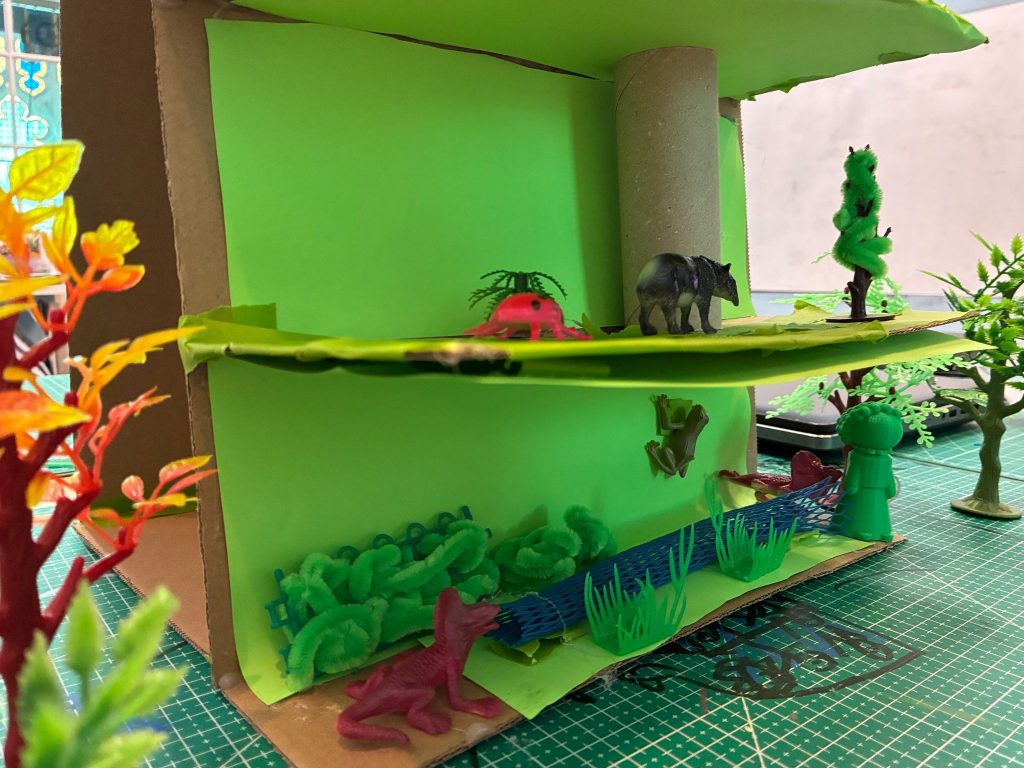
Every Rainforest Model was unique, demonstrating not only creativity, but also a meaningful understanding of rainforest ecosystems.
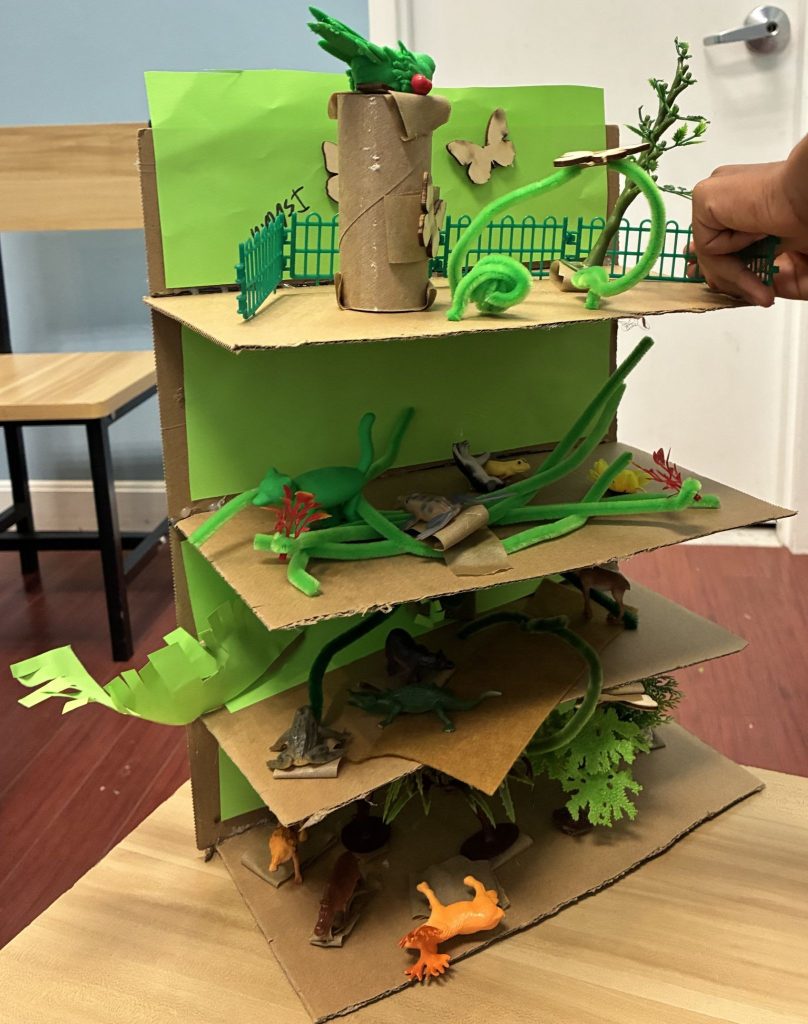
🌧️ An Immersive Learning Experience
To make the design experience even more engaging, teachers created a relaxed and immersive classroom environment.
Surrounded by nature-inspired visuals and ambient environmental sounds, students observed, discussed, and refined their ideas as they gradually transformed their imaginations into three-dimensional rainforest ecosystems.
From learning about rainforest ecology to completing their own Rainforest Models, students experienced the full engineering design process while developing scientific understanding through hands-on exploration.
At MGA, we believe engineering is more than learning facts or building projects. It is about transforming knowledge into something students can see, touch, create, and proudly share.
When students presented their finished rainforest models, they showcased much more than a completed project—they demonstrated curiosity, creativity, critical thinking, and the confidence that comes from bringing an idea to life.