EP1 Classroom: Building a First Earthquake Simulator
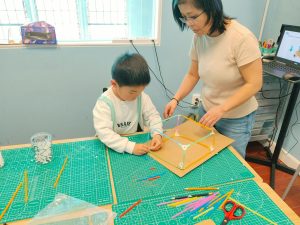
In the EP1 classroom, learning begins with hands-on exploration. This time, students took on the challenge of building their very own “earthquake simulator.” What is an earthquake?Why do buildings shake or even collapse during earthquakes?Is there a way to make structures more stable? With these … Continue readingEP1 Classroom: Building a First Earthquake Simulator
In the EP1 classroom, learning begins with hands-on exploration.
This time, students took on the challenge of building their very own “earthquake simulator.”
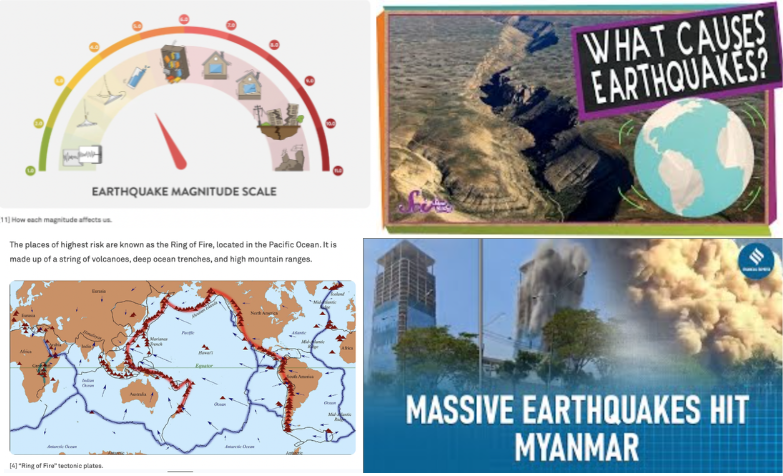
What is an earthquake?
Why do buildings shake or even collapse during earthquakes?
Is there a way to make structures more stable?
With these questions in mind, students began designing and building their own systems.
Using simple materials such as straws, connectors, and cardboard, they constructed a platform to simulate earthquake movement. Through Micro:bit programming, students programmed the platform to create different levels and patterns of vibration. Finally, they built small “buildings” on top of the platform to observe how different structures reacted during the shaking process.
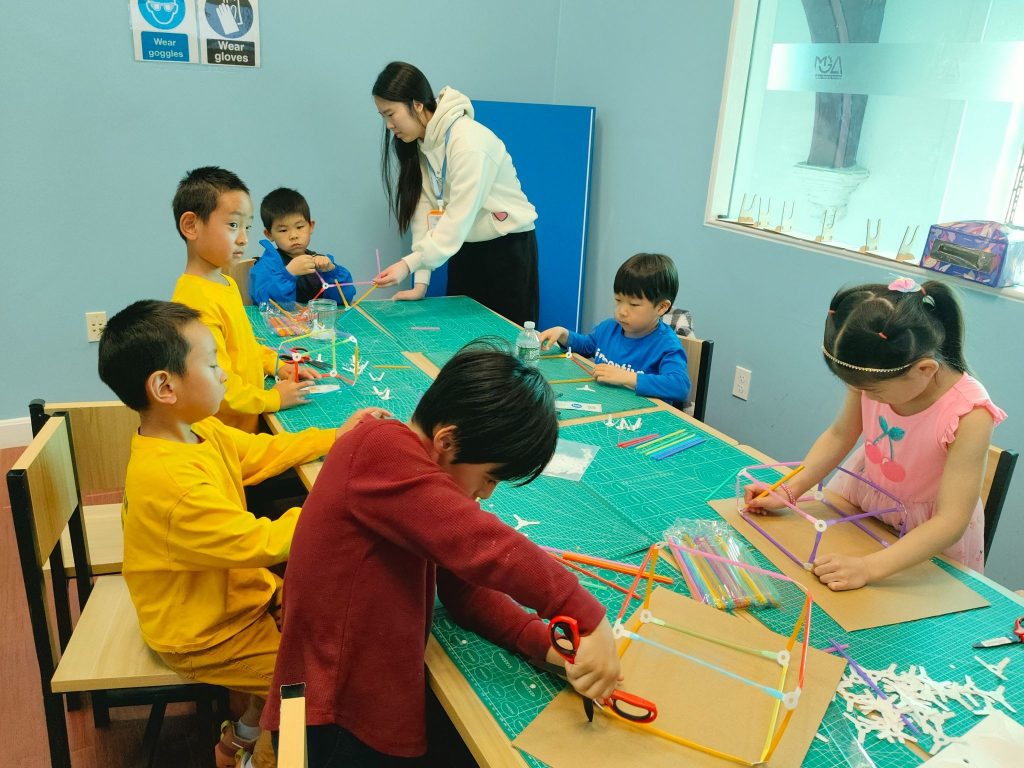
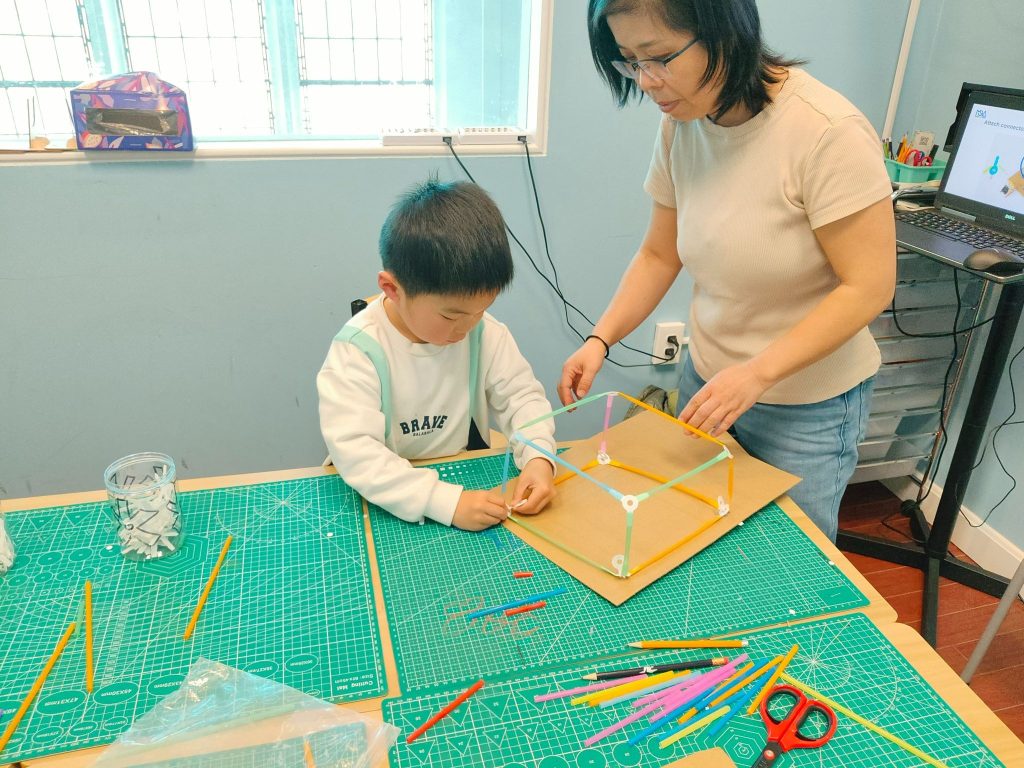
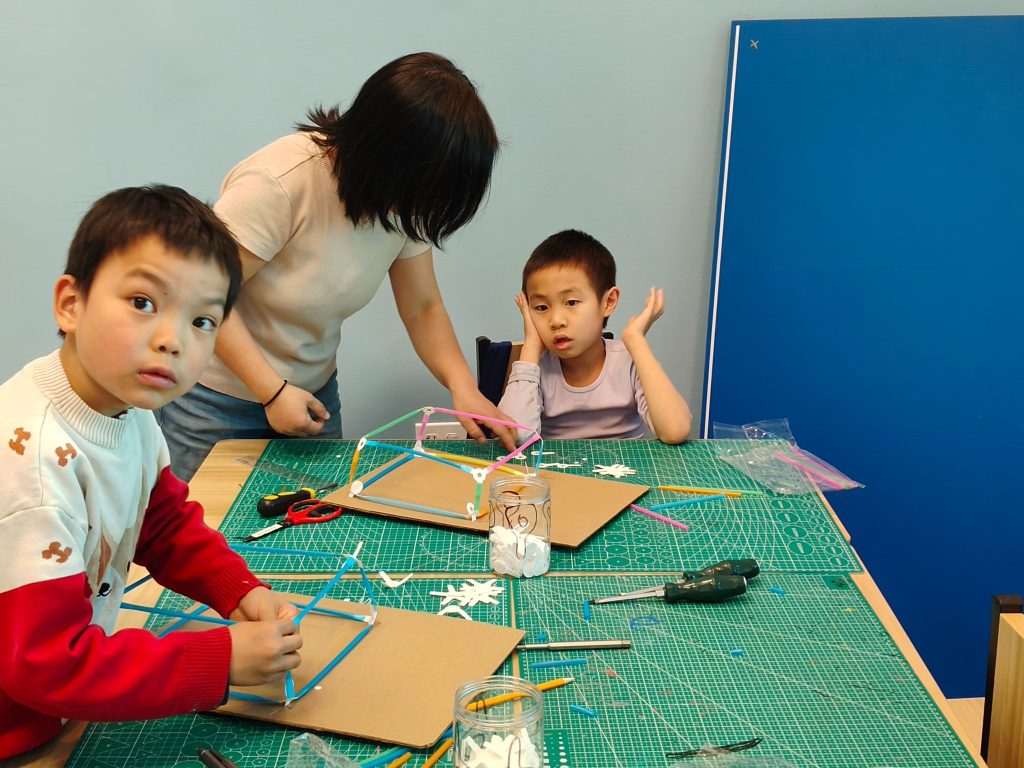
As they tested and adjusted their designs, students noticed that:
Some buildings collapsed very quickly,
while others remained surprisingly stable.
This naturally led to another question:
Why was there such a difference?
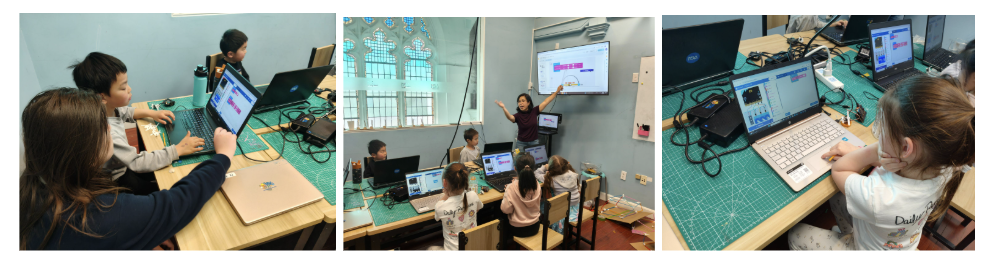
Students began improving their designs by:
- Reinforcing structures
- Changing connection methods
- Adjusting the center of gravity
- Adding additional support
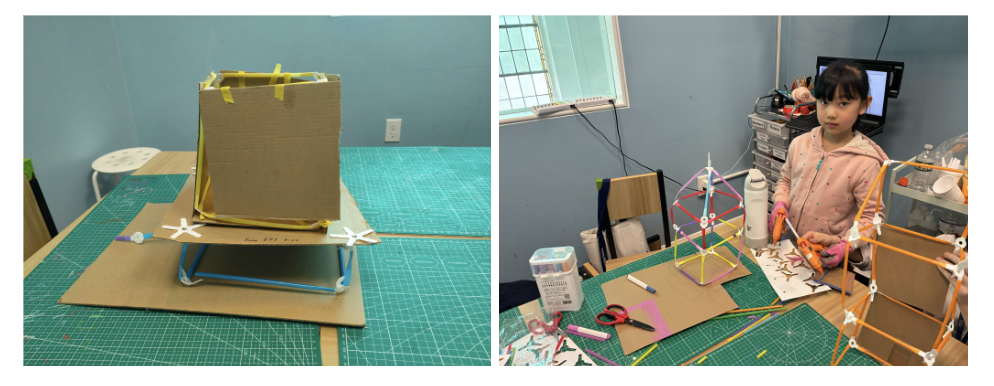
Through repeated testing, failures, and redesigns, they gradually discovered that:
Stability is not based on luck —
it is the result of thoughtful design and structural engineering.
And this is one of the most important parts of an MGA classroom.
At MGA, we believe the goal of learning is not simply “getting the right answer once,” but learning how to identify problems, improve designs, and discover better solutions through experimentation.
From EP1 to EP5, the classroom projects continue to evolve and become more advanced,
but the core philosophy always remains the same:
Helping students learn how to discover problems, ask questions, and truly solve them.